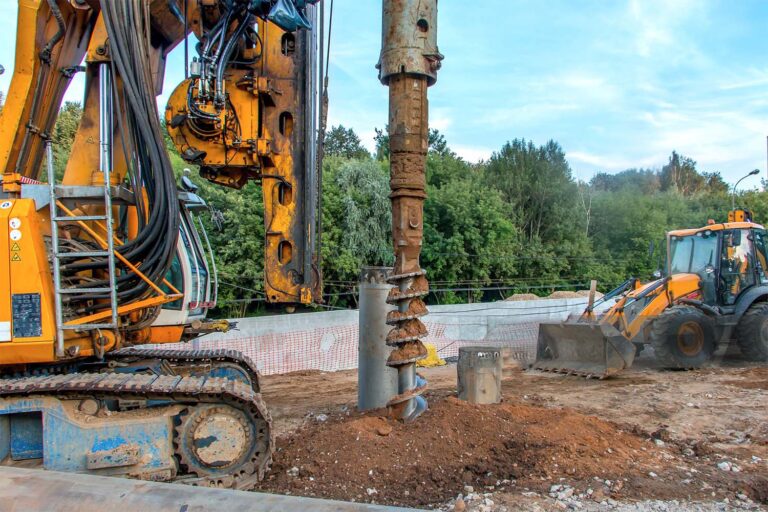
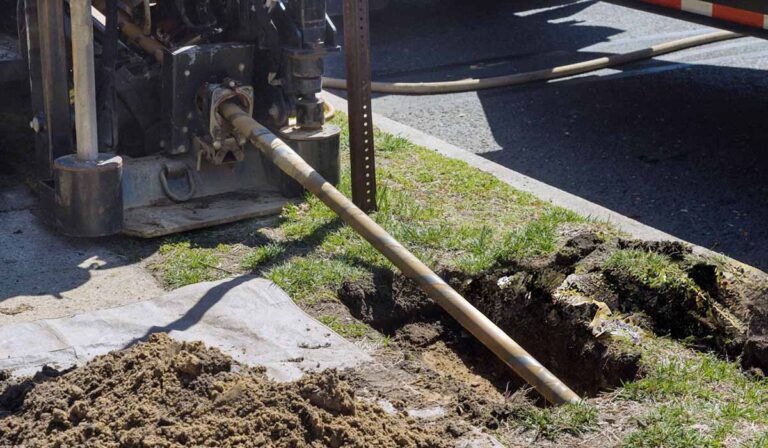
When drilling in silt, clay, gravel , or fracturate rock , many contractors encounter the same costly problems: slow drilling speed, rapid tooth wear, and frequent bucket blockage.
These are not random issues — they are clear signs that your bucket drill is not matched to the ground conditions.
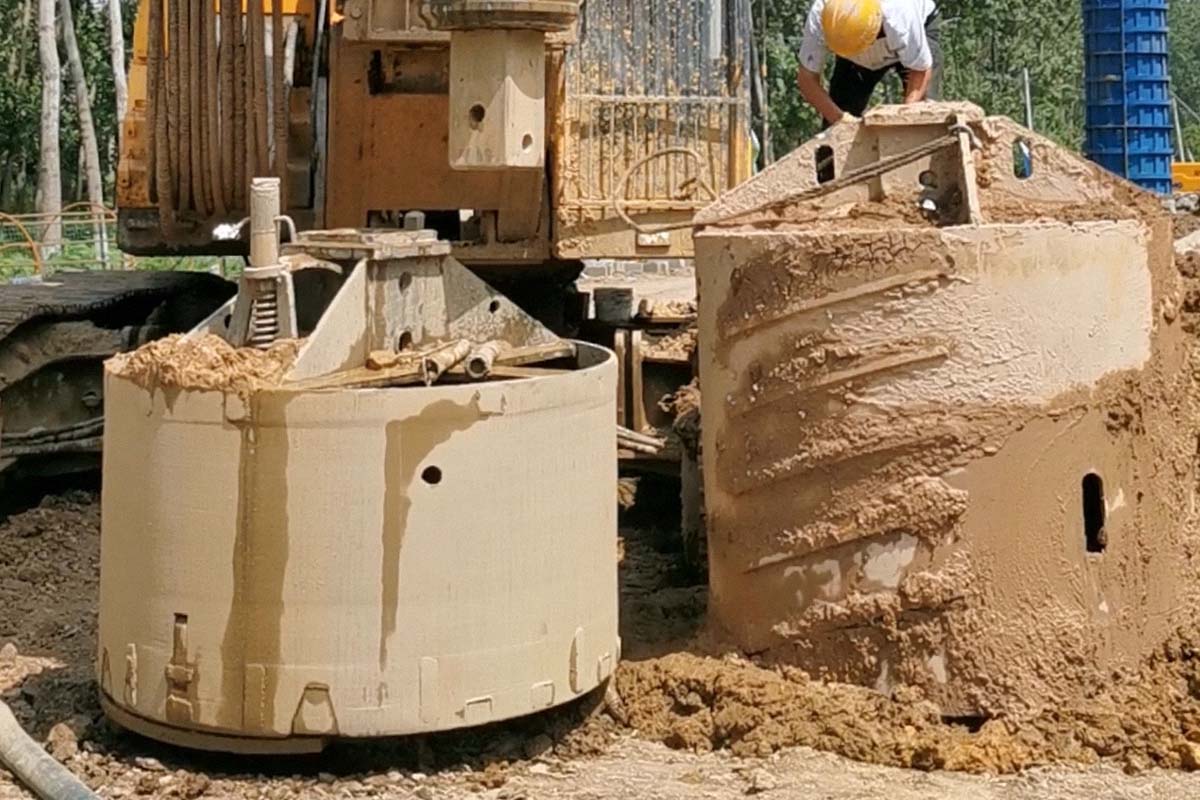
Common Pain Points in Hard Ground Drilling
- Extremely slow penetration rate
- Teeth wear out too quickly, increasing replacement costs
- Bucket gets clogged, reducing efficiency
- High torque load on drilling rigs
- Frequent downtime and maintenance
3 Key Reasons Your Drilling Bucket Fails
1. Wrong Cutting Teeth Selection
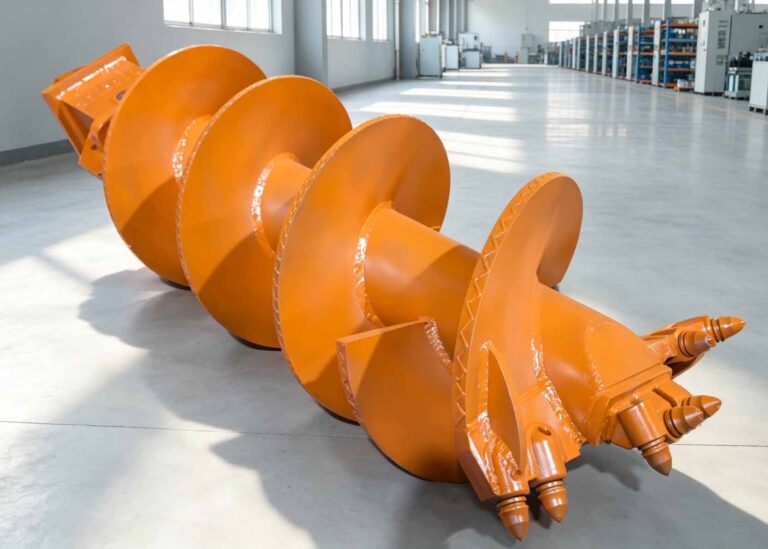
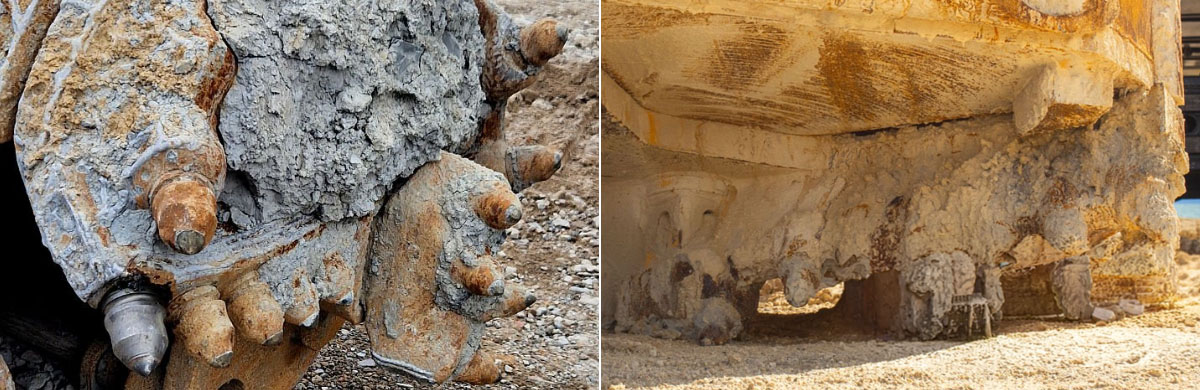
Using standard soil teeth in hard formations is one of the biggest mistakes.
- Soil teeth → suitable for soft soil only
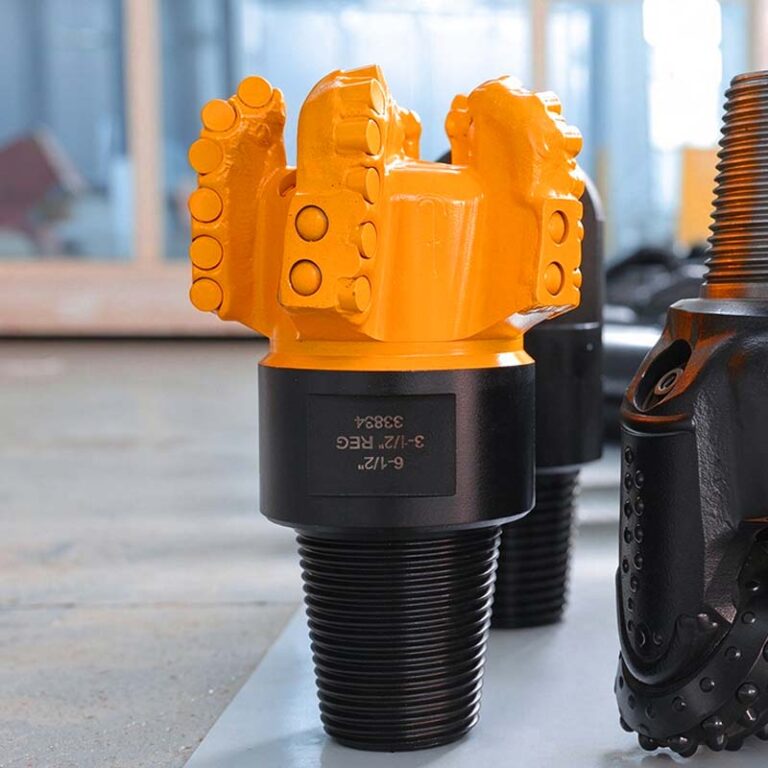
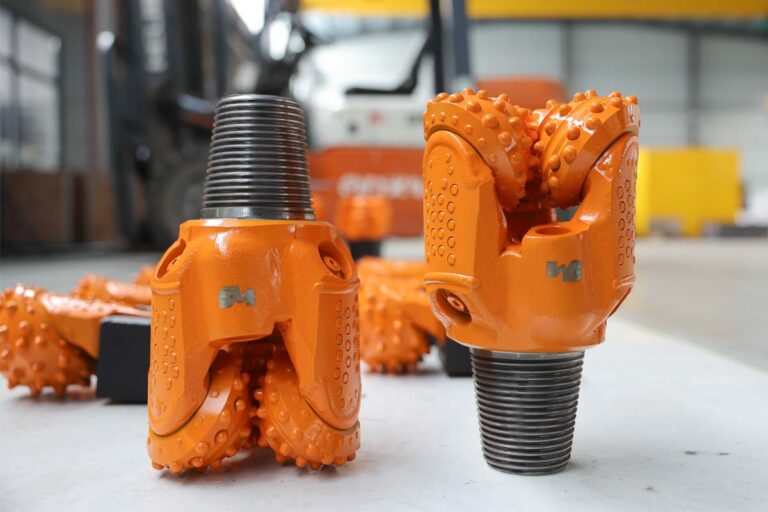
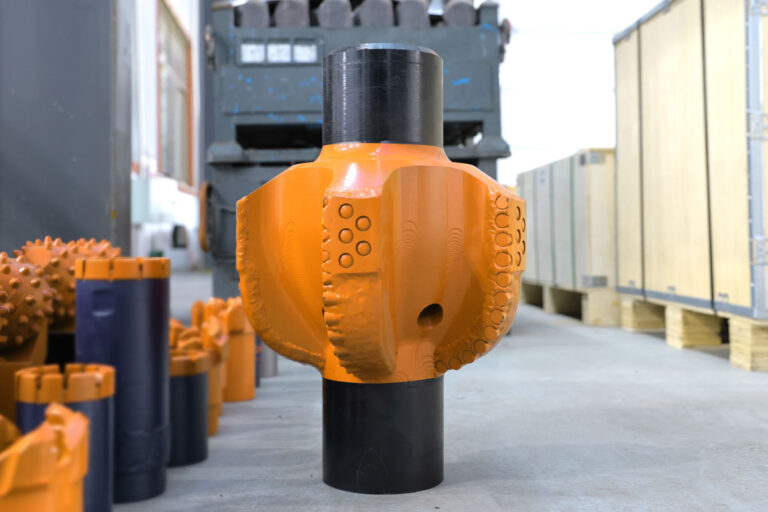
- Rock teeth / bullet teeth → designed for high resistance and abrasion
2. Bucket Structure Is Not Reinforced
Standard drilling buckets are not designed for extreme ground conditions.
- Bucket body may deform
- Cutting edge wears quickly
- Service life drops significantly
3. Design Does Not Match Ground Conditions
Different formations require completely different bucket designs.
| Ground Type | Recommended Design |
|---|---|
| Soft soil | Wide opening, high efficiency |
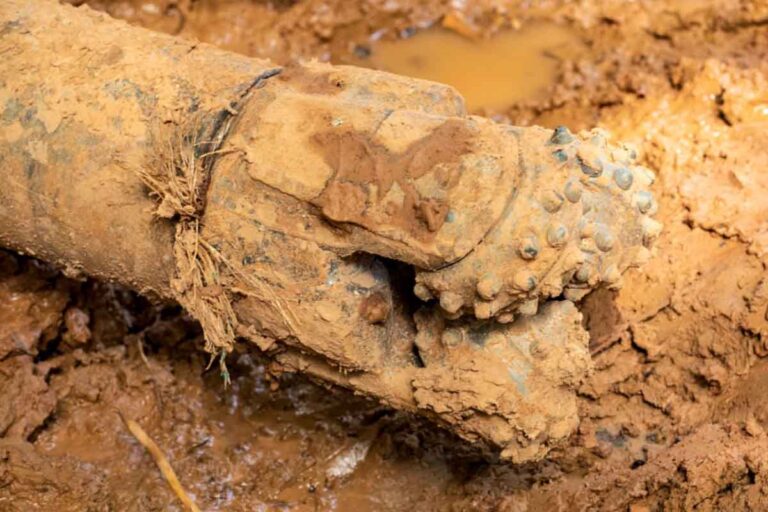
| Clay | Anti-clogging structure |
| Hard rock | Reinforced body + aggressive cutting angle |
How to Fix It (Proven Solutions)
If your drilling bucket is failing in hard ground, the solution is not guesswork — it requires a systematic approach based on ground conditions, tool selection, and structural optimization.
Step 1: Identify the Ground Condition (Stop Guessing)
Many failures start with a wrong assumption about the ground.
- Treating weathered rock as soft soil
- Ignoring mixed layers (clay + gravel)
- Underestimating rock hardness
What to do:
- Check geological reports before drilling
- Review nearby project data
- Adjust tools when ground changes
Step 2: Match the Right Teeth to the Job
Wrong teeth selection is the #1 reason for failure.
- Soft soil → Soil teeth
- Clay soil / Gravel → Flat teeth
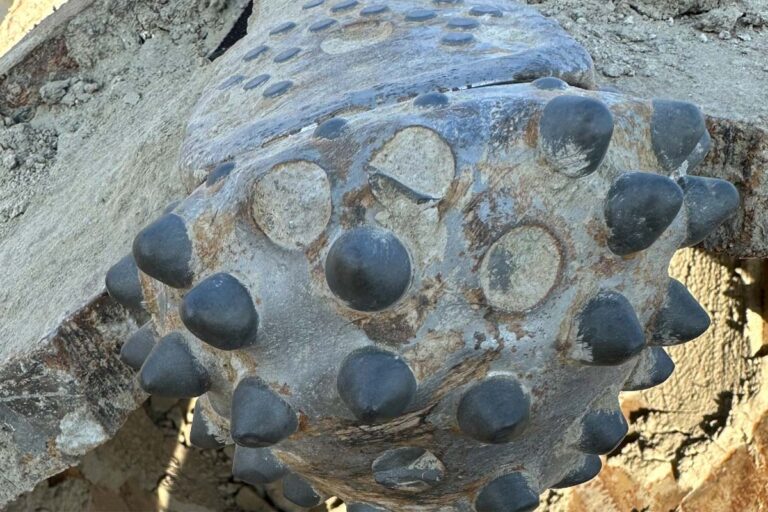
- Fracturate / Hard rock → Bullet teeth
Result:
- Better penetration
- Lower wear cost
- More stable drilling
Step 3: Upgrade to the Right Bucket Structure
If your bucket is not designed for hard ground, no teeth can save it.
- Reinforced shell (thicker plates)
- Wear-resistant strips
- Optimized opening angle
Result:
- Higher durability
- Reduced deformation
- Longer service life
Step 4: Choose the Right Bucket Design for Each Scenario
Different ground requires different designs — there is no universal solution.
- Clay → Anti-clogging bucket
- Gravel → Reinforced bucket with replaceable teeth
- Hard rock → Heavy-duty rock drilling bucket
Key insight:
Using the wrong design can reduce efficiency by over 50%.
Step 5: Optimize Operation, Not Just Tools
Even the best bucket fails with poor operation,Common mistakes:
- Excessive pressure without proper cutting
- Wrong rotation speed
- Not cleaning the bucket in time
Best practices:
- Control torque and speed
- Adjust drilling rhythm
- Clear the bucket regularly
Final Takeaway
Fixing drilling bucket failure is not about one change — it's about combining:
- Correct ground analysis
- Proper teeth selection
- Reinforced bucket structure
- Scenario-based design
- Optimized operation
Still facing drilling problems in hard ground?
Send us your soil condition — we'll recommend the exact bucket solution.
Still not sure which drilling bucket is right for your project?
Choosing the correct bucket drill depends on multiple factors, including soil type, rock hardness, and drilling conditions. Using the wrong rotary drilling bucket can significantly reduce efficiency and increase costs.
Read our complete guide:
[ What Is a Drilling Bucket ? How to Choose the Right Rotary Drilling Bucket for Soil & Rock ]
This guide will help you quickly identify whether you need a soil bucket or a rock bucket based on dirt, sand, silt, clay, gravel, or fractured rock conditions—so you can make the right decision before your next project.