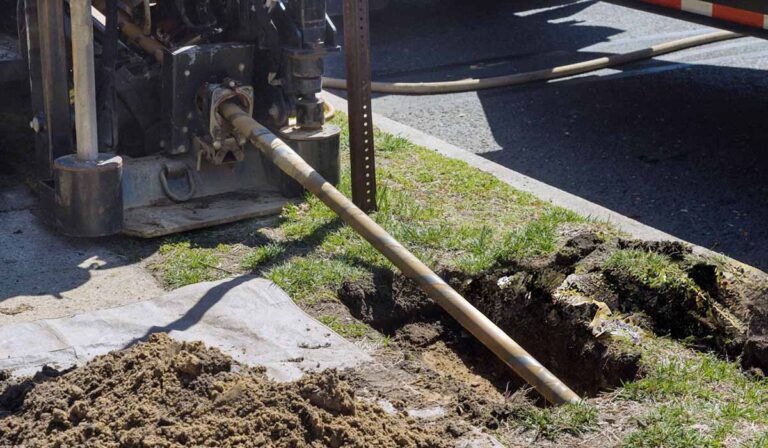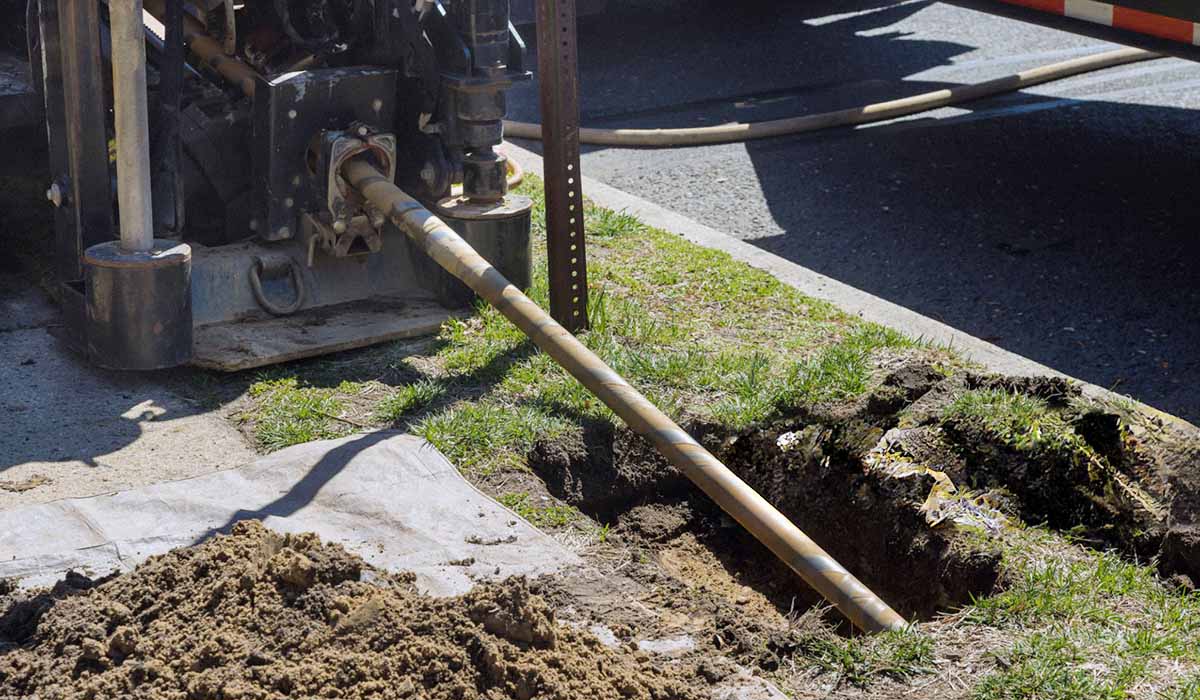
Why PDC Bit Design Matters in HDD Drilling
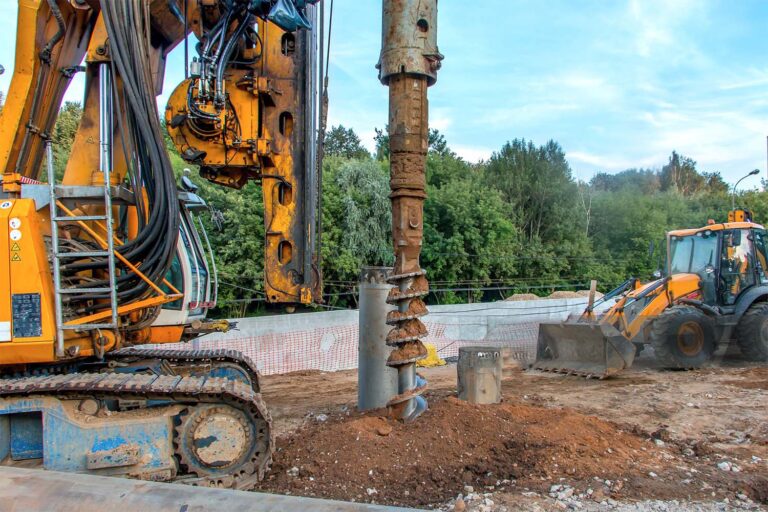
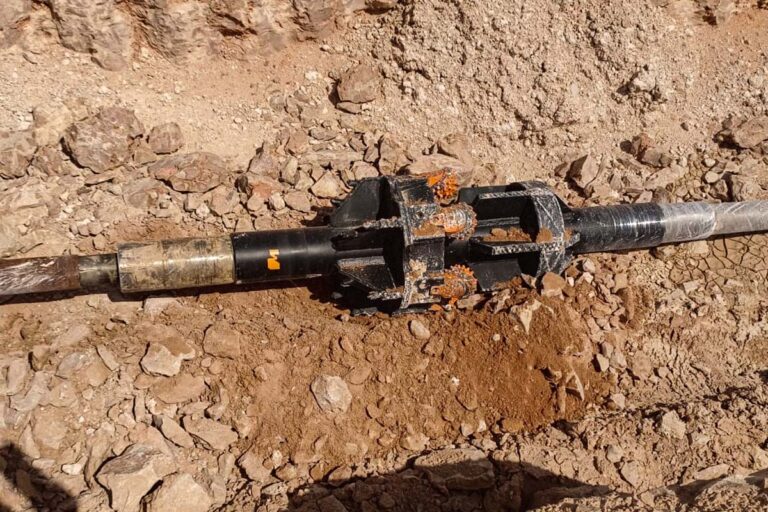
In HDD projects, many drilling problems are not caused by equipment—but by incorrect bit design.
Common issues include:
- Slow penetration rate
- Frequent cutter breakage
- Short bit lifespan
- Poor borehole quality
These problems are directly related to blade count, cutter size, and back rake configuration.
Blade Count: Stability vs Penetration Rate
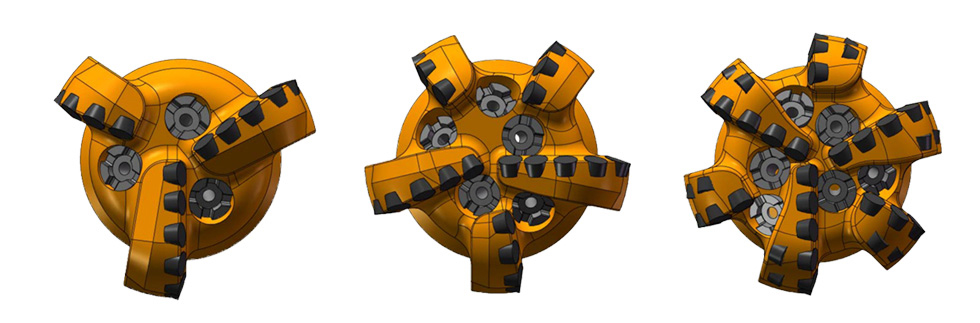
1.What is Blade Count?
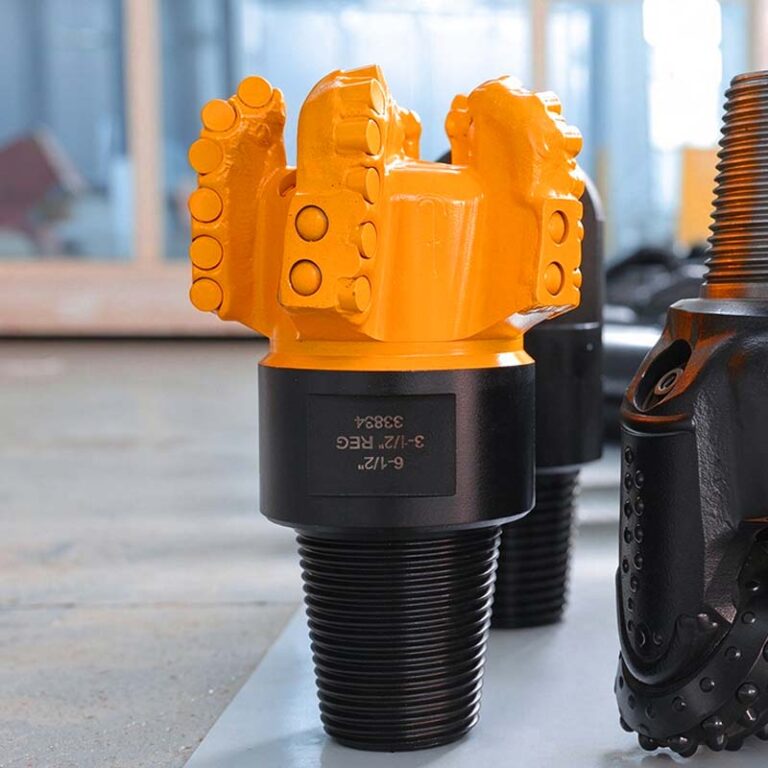
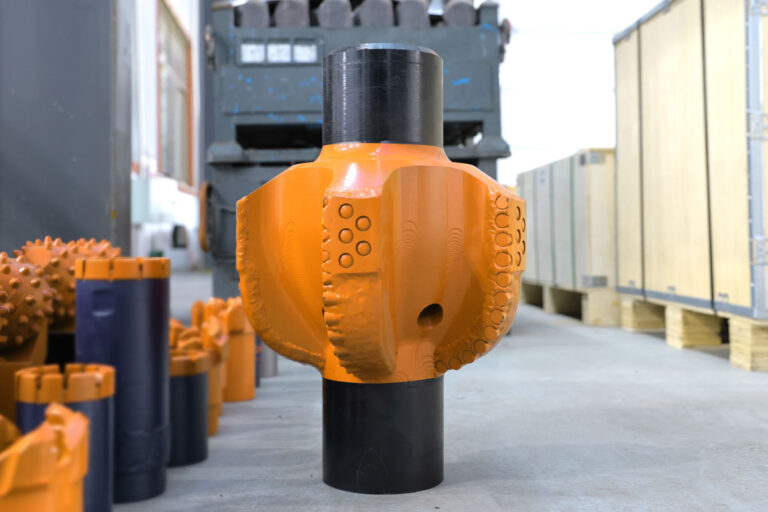
- Blade count refers to the number of blades on a PDC bit that hold cutters and interact with the formation.
2.How it Affects Performance
More blades (5–7 blades):
- Higher stability
- Smoother drilling
- Better hole quality
- Lower penetration rate
Fewer blades (3–4 blades):
- Higher penetration rate
- More aggressive cutting
- Less stability
- Higher vibration risk
3.Best Application Scenarios
- Soft to medium formations → fewer blades
- Hard rock → more blades
Cutter Size: Aggressiveness vs Durability
1.Common Cutter Sizes
- 13mm
- 16mm
- 19mm
2.Performance Differences
Large cutters (16–19mm):
- Higher cutting efficiency
- Faster penetration
- More aggressive
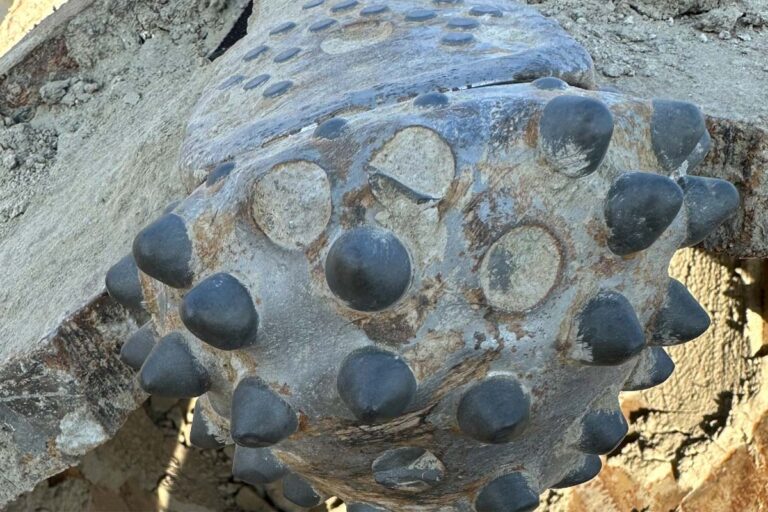
- More prone to damage
Small cutters (13mm):
- Better wear resistance
- Longer lifespan
- More stable
- Lower drilling speed
Back Rake: Cutting Efficiency vs Strength
Back rake is the angle between the cutter face and the formation.
Low back rake (aggressive angle):
- Faster drilling
- Higher cutting efficiency
- Lower durability
High back rake (conservative angle):
- Stronger cutters
- Longer lifespan
- Lower penetration rate
How to Choose the Right Combination
| Formation | Blade Count | Cutter Size | Back Rake |
|---|---|---|---|
| Soft Soil | 3–4 | 16–19mm | Low |
| Medium Rock | 4–5 | 13–16mm | Medium |
| Hard Rock | 5–7 | 13mm | High |
Common Mistakes in PDC Bit Selection
Back rake is the angle between the cutter face and the formation.
Low back rake (aggressive angle):
- Faster drilling
- Higher cutting efficiency
- Lower durability
High back rake (conservative angle):
- Stronger cutters
- Longer lifespan
- Lower penetration rate
Conclusion
Blade count, cutter size, and back rake directly determine HDD drilling performance.
Choosing the right configuration can:
- Increase drilling efficiency
- Extend bit life
- Reduce project cost
Looking for the right HDD PDC bit for your project? Contact us with your rock type, formation details and drilling conditions.
[ PDC Drill Bit for Hard Rock and Directional Drilling – Buyer’s Guide ]