Why Core Barrel Drilling Fails in Hard Rock
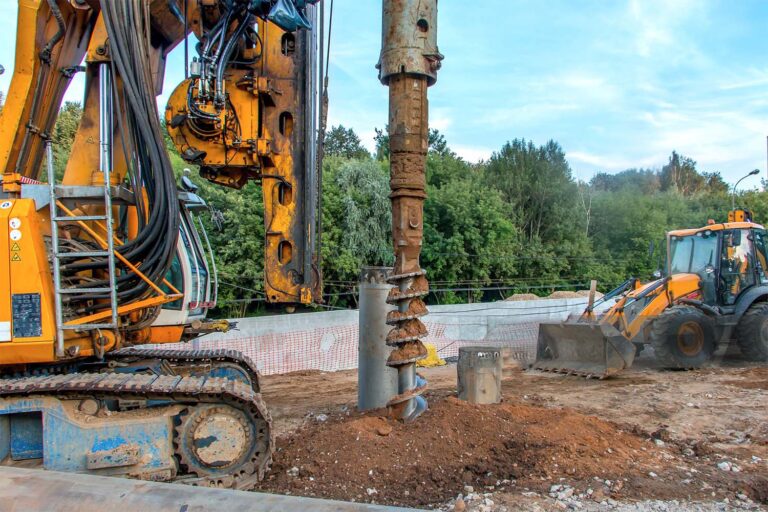
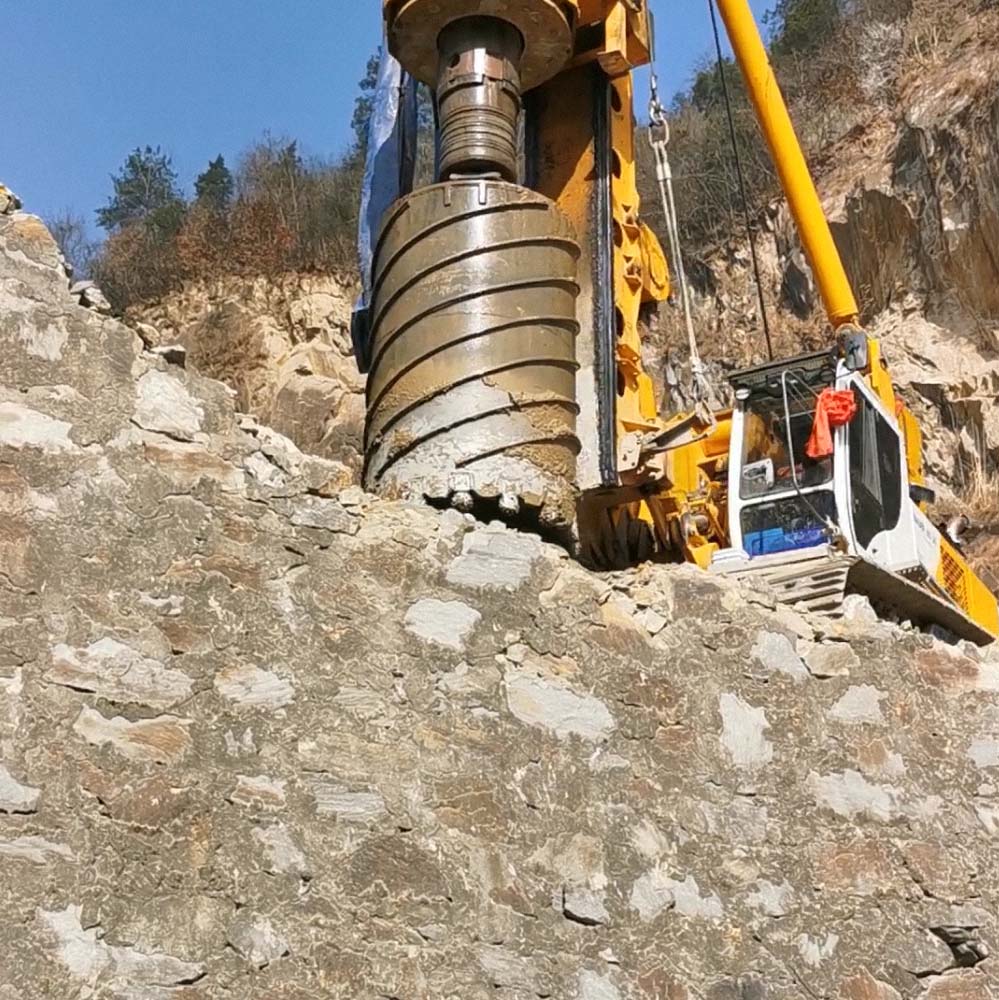
In the world of foundation drilling, nothing is more frustrating than a core barrel that refuses to "bite" or a project that grinds to a halt because of premature tool failure. Hard rock drilling is a high-stakes game where the wrong decision can cost thousands in downtime and broken equipment.
If you are experiencing low ROP (Rate of Penetration) or excessive teeth wear, this guide will help you diagnose the root cause and implement the fix.
The "Stubborn Core" Problem: Breaking and Lifting
You've drilled the depth, but the rock won't break. You spend hours trying to"snap" the core, wasting fuel and risking tool damage.
- The Insight (from the field): In medium weathered rock, standard coring often struggles because the rock is too "solid."
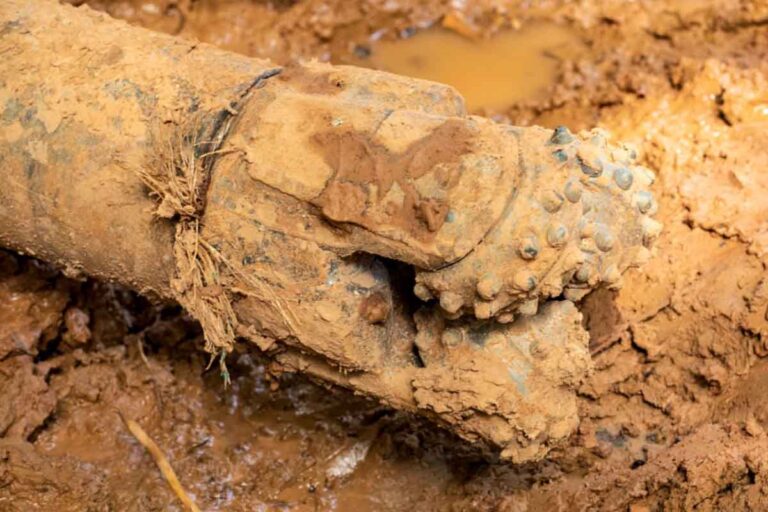
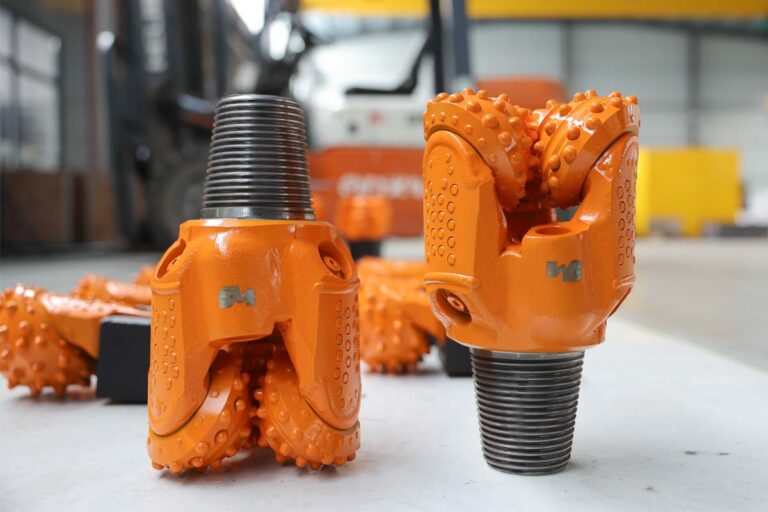
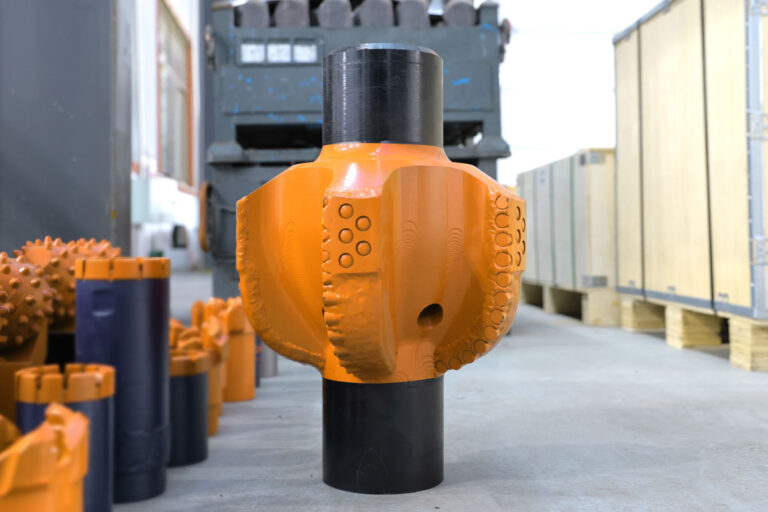
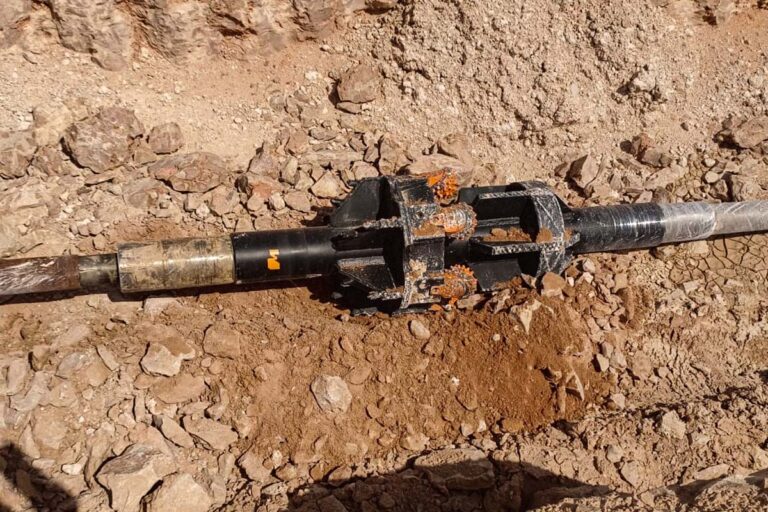
- Reduce Core Radius: For large diameter drilling, install a central tri-cone bit (roller bit) inside the barrel. This reduces the core's radius, significantly increasing the probability of natural breakage.
- Internal Spiral Blocks: Weld spiral iron blocks inside the barrel. These act as mechanical wedges to "snap" and lock the core, ensuring it comes up with the tool.
Preventing Hole Deviation: The "Arcing" Effect
High resistance causes the drill tool to "swing" and seek the path of least resistance, leading to a slanted hole that fails inspection.
- The Problem: When you force high pressure (WOB) on hard rock, the Kelly bar can flex, causing the barrel to "arc" or swing. If the tracks of your rig start lifting off the ground, you are pushing too hard and risking a major deviation.
- Increase Barrel Height: A taller core barrel provides better passive guidance against the borehole wall, preventing the tool from tilting.
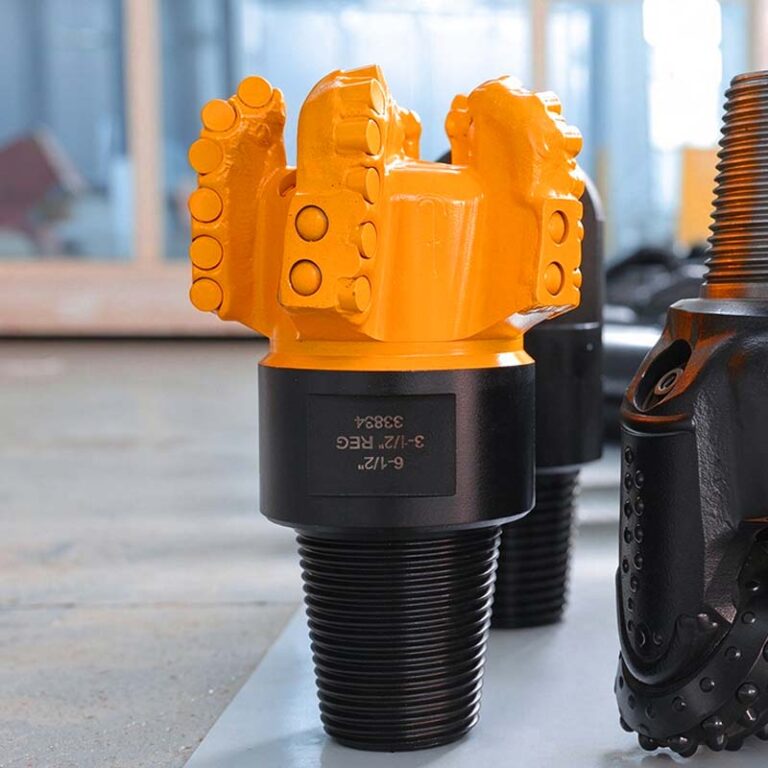
- Pilot Teeth: Use central roller bits as pilots. This creates a stable center point, acting like an anchor that keeps the barrel aligned.
Optimizing Bit Arrangement for Efficiency
Uneven wear on roller bit leads to frequent downtime for replacements and increased stress on the rig's rotary drive.
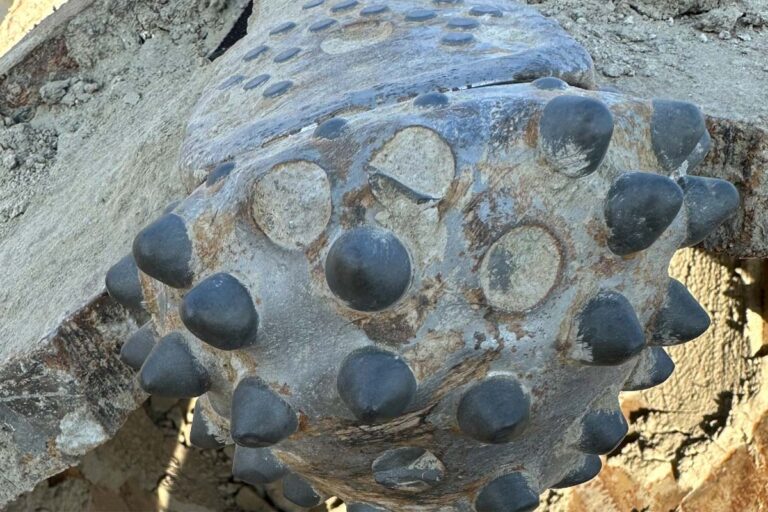
- The Logic: In moderately weathered rock, tooth wear is severe. "Random" tooth placement creates vibration.
- Use Optimized Bit Staggering:By precisely calculating the cutting path of each tooth, you ensure the entire rock surface is engaged without gaps, reducing the "re-drilling" of fine powder.
- Pilot Teeth: Use central roller bits as pilots. This creates a stable center point, acting like an anchor that keeps the barrel aligned.
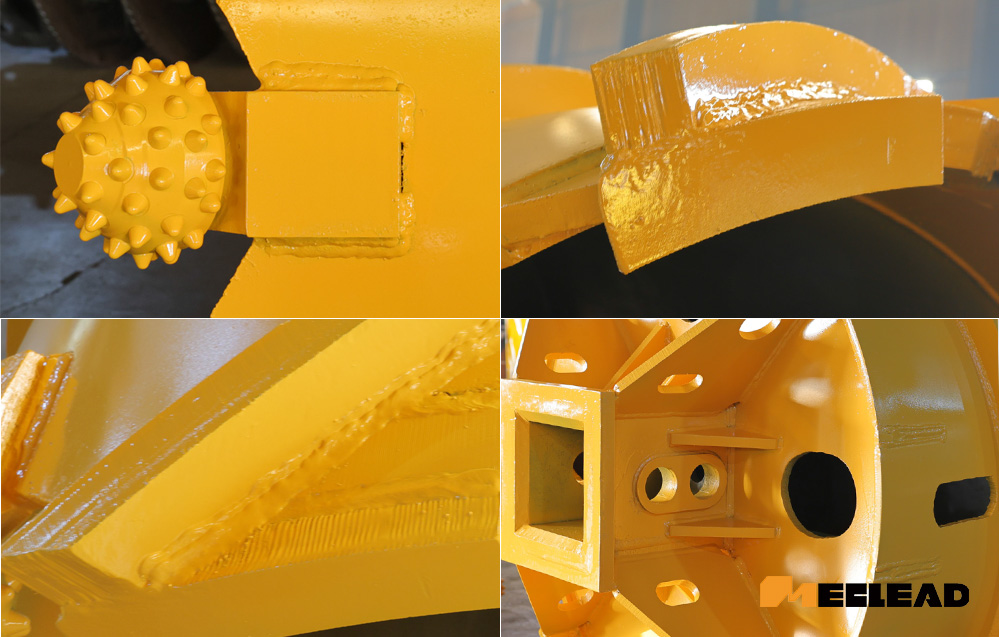
Use a reinforced core barrel designed for hard rock drilling:
- Thickened shell
- High-strength structure
- Impact resistance
Wrong Cutting Teeth for Core Barrel Drilling
In core barrel drilling, cutting teeth must match rock conditions:
- Weathered rock → bullet teeth
- Medium rock → bullet teeth or roller bit
- Hard rock → roller bit
Select teeth based on rock strength (MPa), not a universal setup.
For a detailed guide, see [ How to Choose the Right Core Barrel for Different Rock Conditions ].
Poor Drilling Operation
Incorrect operation in core barrel drilling includes:
- Excessive pressure
- Unstable rotation
- Continuous drilling without pauses
How to Improve Core Barrel Drilling Efficiency
- Optimize Core Barrel Structure
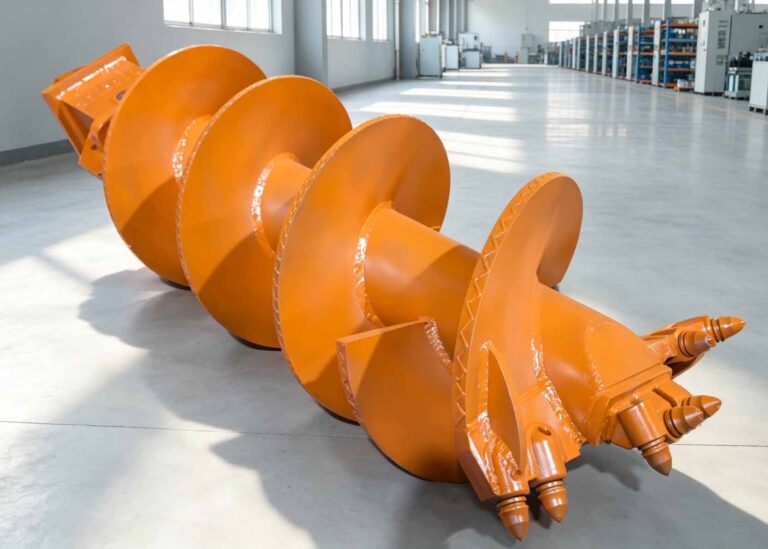
- Select the Right Core Barrel Auger
- Balance Torque and Speed
- Use Step Drilling Technique
- Combine Tools for Hard Rock
Still facing drilling problems in hard ground?
Send us your soil condition — we'll recommend the exact bucket solution.
[ How to Choose the Right Core Barrel for Different Rock Conditions ]