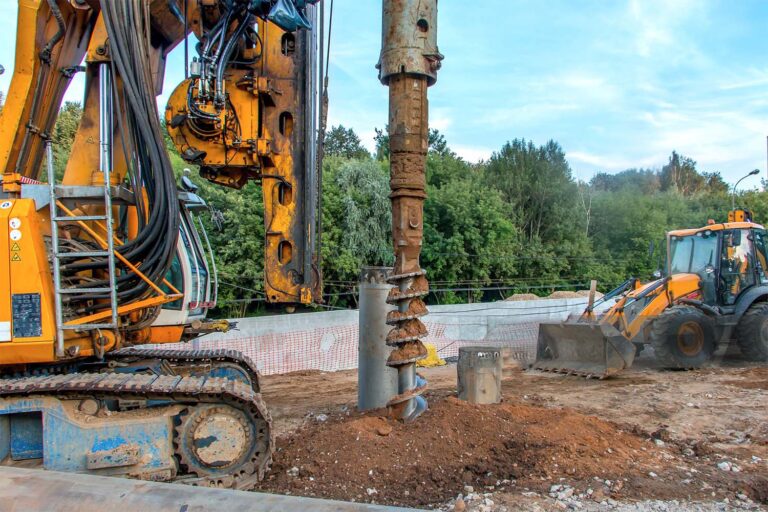
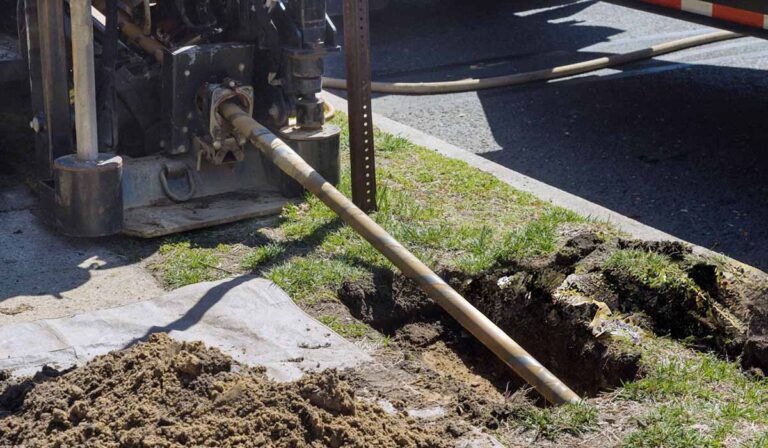
In HDD drilling, a tricone bit is mainly used to drill the pilot hole, while a hole opener is used after the pilot hole is completed to enlarge the bore step by step to the final required diameter. In simple terms, the tricone bit creates the path, and the hole opener prepares the hole for product pipe installation.
It is widely used in HDD, oil and gas, mining, geothermal, and water well drilling when a contractor needs a larger bore for casing, pipe installation, or better circulation.
What Is a Hole Opener?
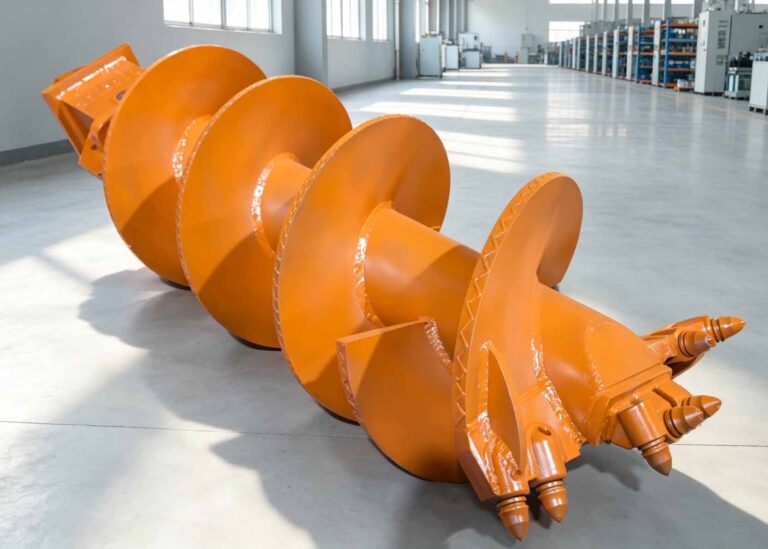
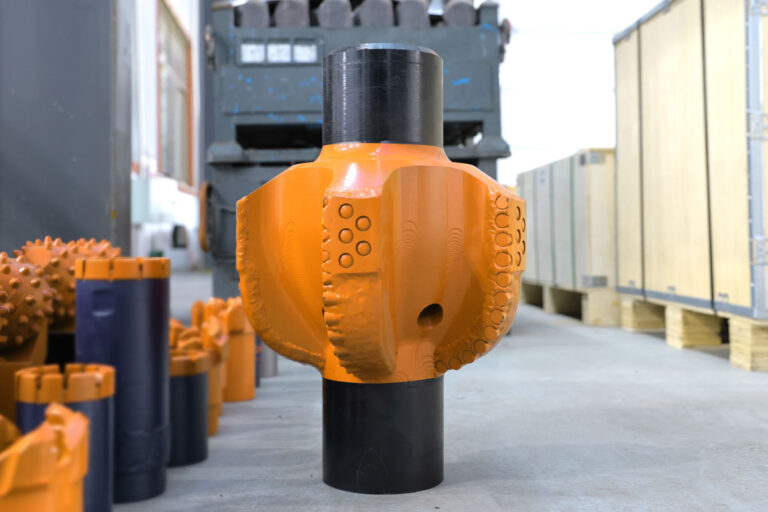
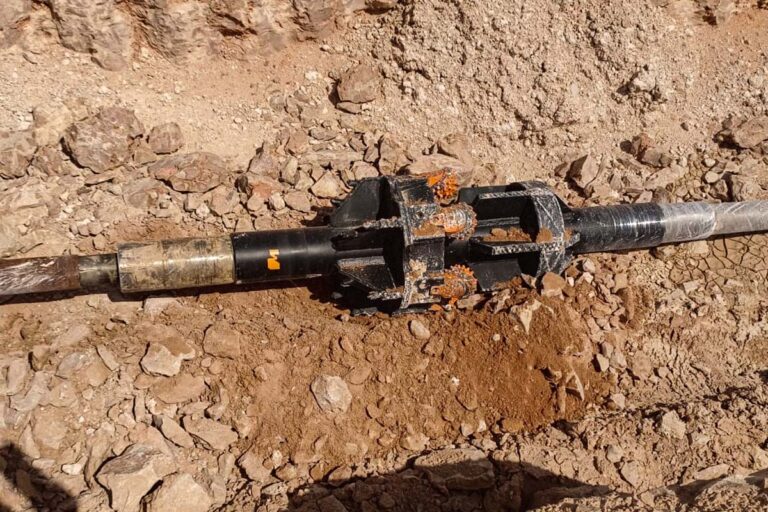
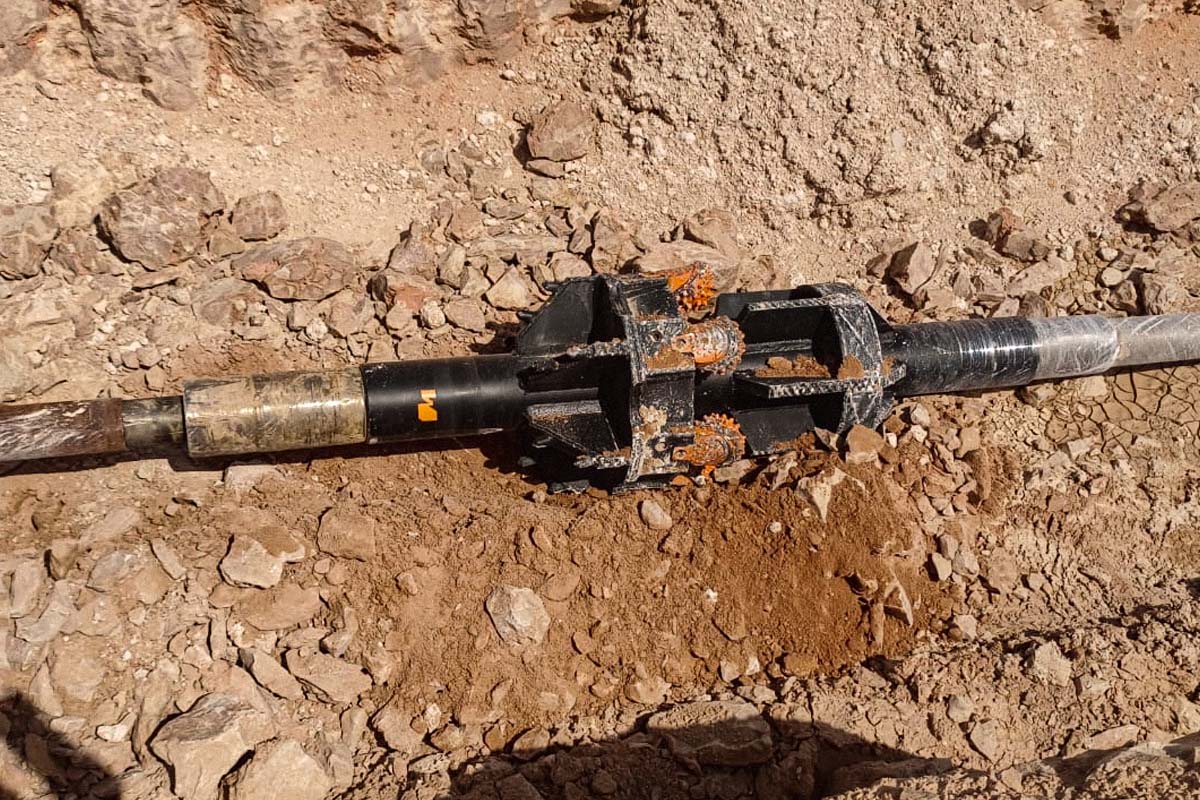
A hole opener, also known as a hole opener drill bit or rock reamer hole opener, is a drilling tool used to enlarge an existing pilot hole to a larger diameter.
It is widely used in:
- Horizontal Directional Drilling (HDD)
- Oil & Gas drilling
- Water well drilling
- Mining & foundation construction
Why Hole Opener Drilling Matters
Drilling a full-size hole from the beginning usually requires more torque, more power, and more risk. That is why contractors often drill a pilot hole first and then enlarge it in one or more stages with a hole opener.
This drilling method offers better control, improved hole quality, lower drilling stress, and more predictable performance, especially in large-diameter or hard rock applications.
How Does a Hole Opener Work?
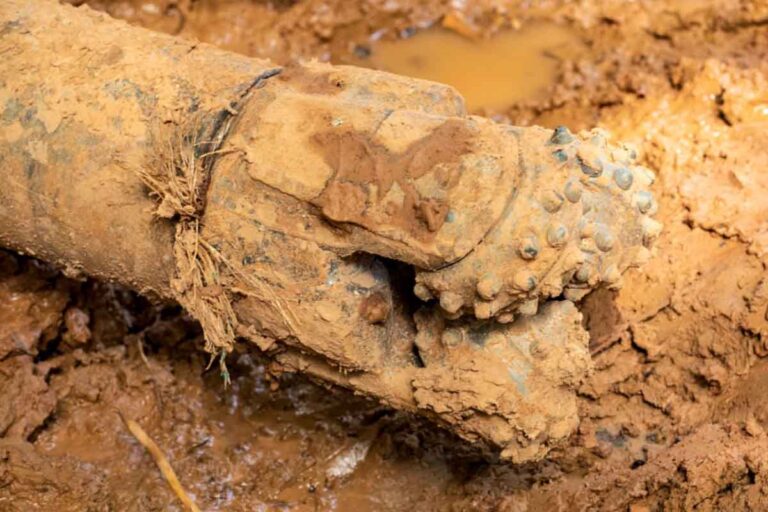
The process is straightforward. First, a pilot hole is drilled to establish the drilling path. Then the hole opener is connected to the drill string and guided into the existing hole. As the tool rotates and advances, its cutters enlarge the borehole wall to the required diameter. Drilling fluid helps cool the tool, remove cuttings, and stabilize the hole.
For larger projects, reaming is often done in multiple stages instead of making one large diameter jump. This reduces torque spikes, vibration, and cutter damage.
Main Applications of a Hole Opener
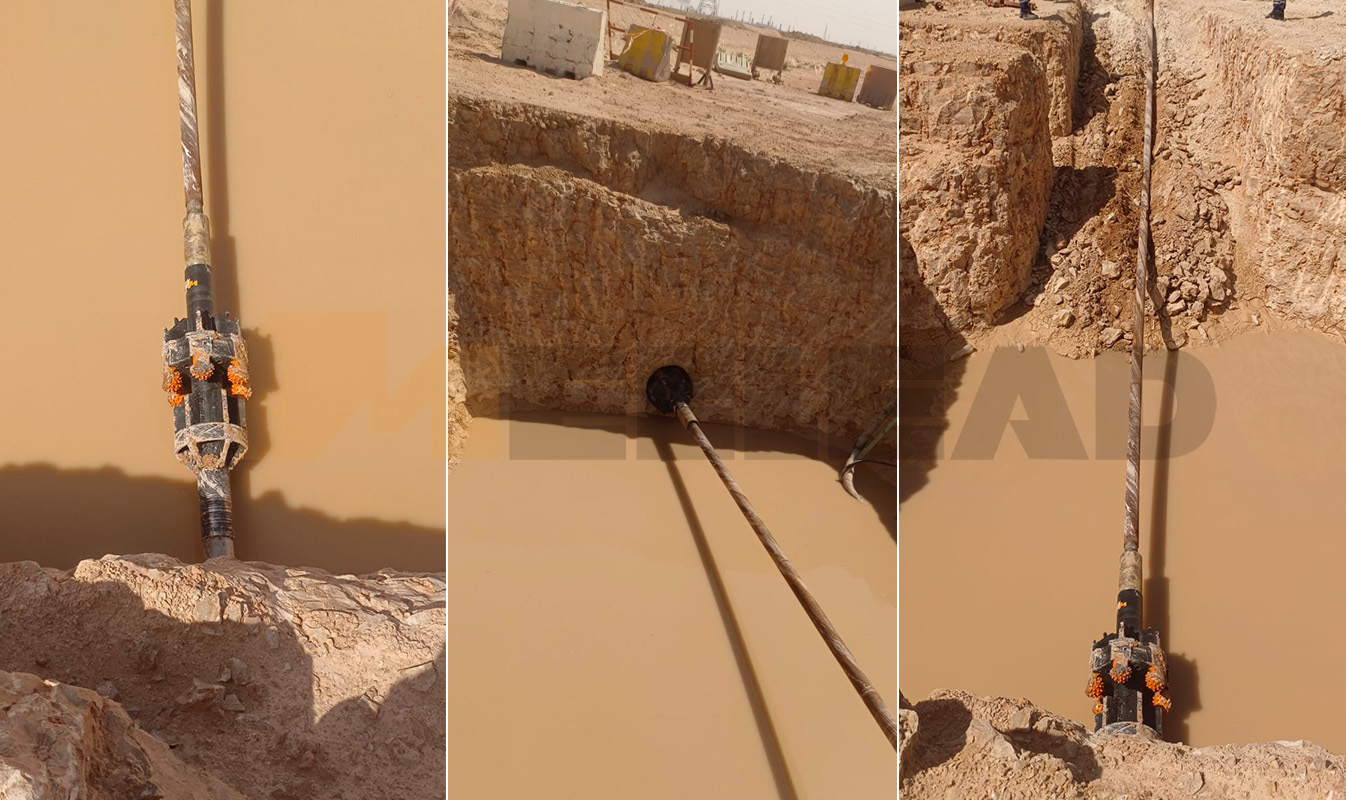
A hole opener is commonly used when the final bore must be larger than the pilot hole. Typical applications include HDD pipeline crossings, oil and gas wellbore enlargement, water well construction, mining projects, geothermal drilling, and rock drilling jobs that require large-diameter hole enlargement.
In HDD projects, the tool is especially important because the contractor usually needs to enlarge the pilot hole before pulling back product pipe. In hard rock drilling, a rock reamer hole opener is often selected to handle abrasive and high-strength formations.
Hole Opener vs PDC Reamer
A hole opener is generally the broader, heavier-duty solution for enlarging a pilot hole, especially when the job involves large diameter increases, hard or abrasive rock, mixed formations, or higher impact loads. A PDC reamer, by contrast, is a fixed-cutter reaming tool designed for faster cutting, smoother bore quality, and lower vibration in more uniform and stable formations. In practical HDD applications, contractors usually choose a hole opener when durability, impact resistance, and large-scale enlargement matter most, while a PDC reamer is often preferred when the goal is higher penetration rate, cleaner cutting, and more efficient reaming in predictable ground.
Main Types of Hole Openers
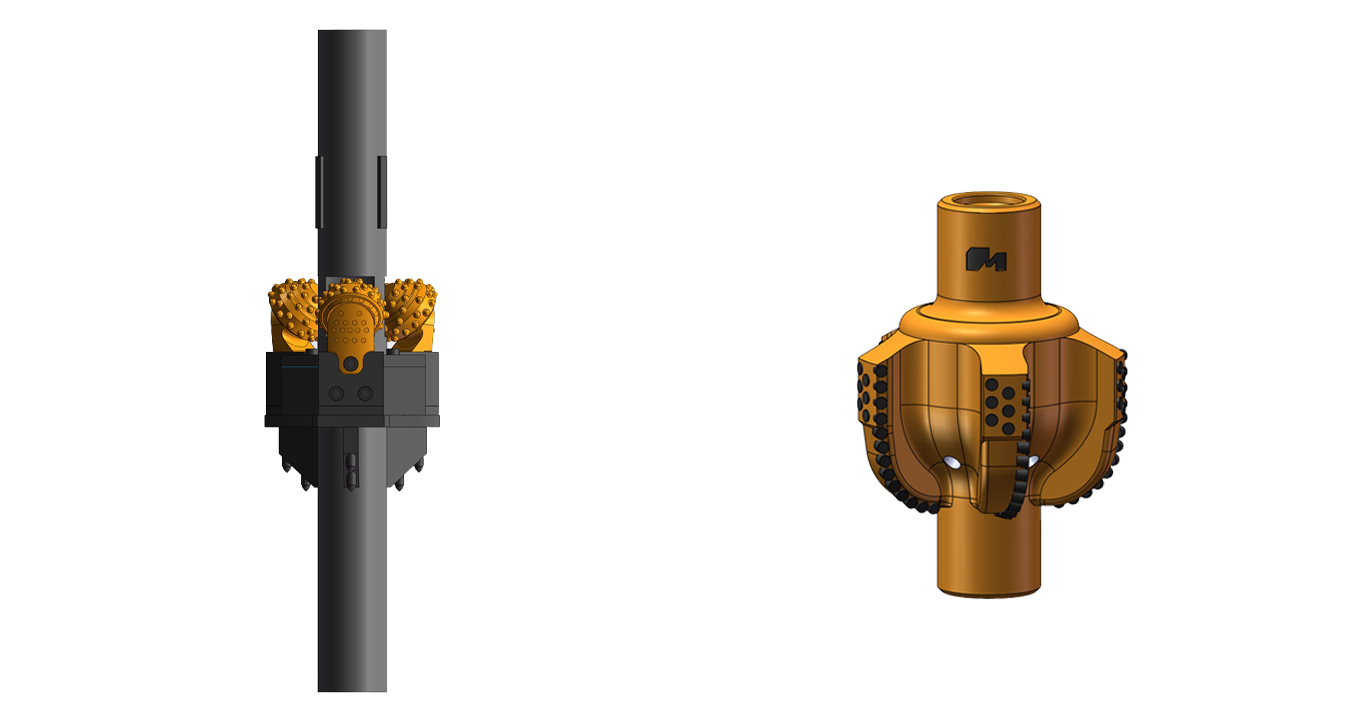
1. Roller Bits Hole Opener
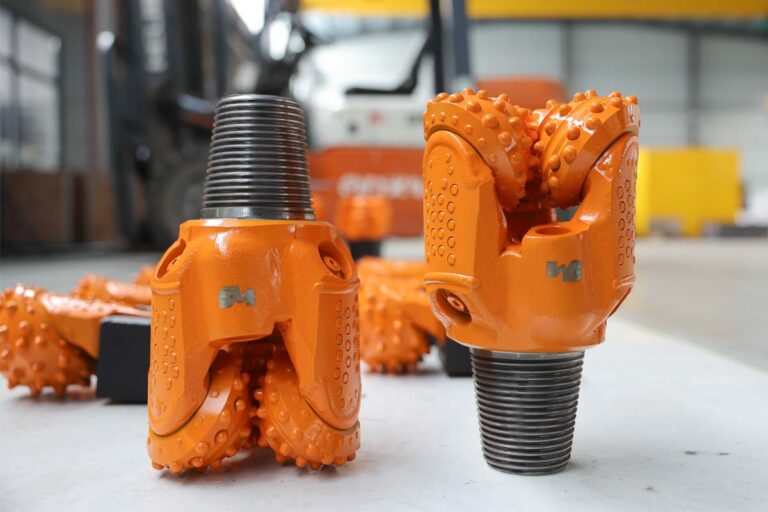
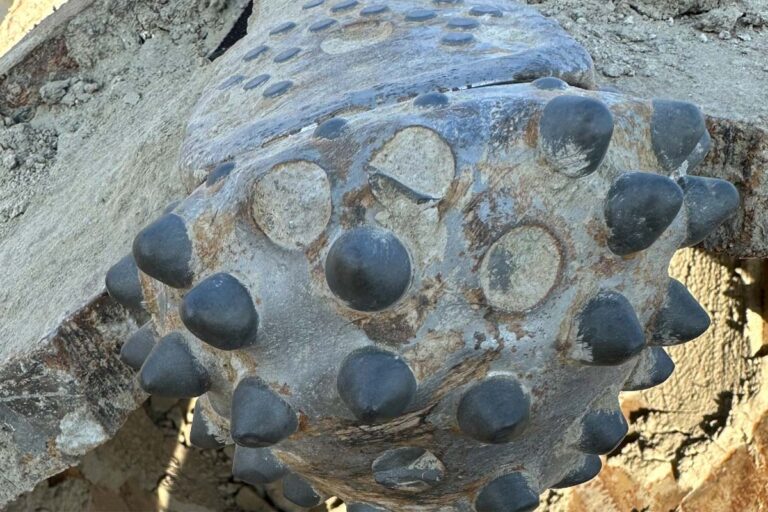
A roller cone hole opener uses rolling bits to crush and chip the formation. It is widely used in hard rock, abrasive formations, and mixed ground conditions because it handles impact better than many fixed-cutter designs.
2. PDC reamer
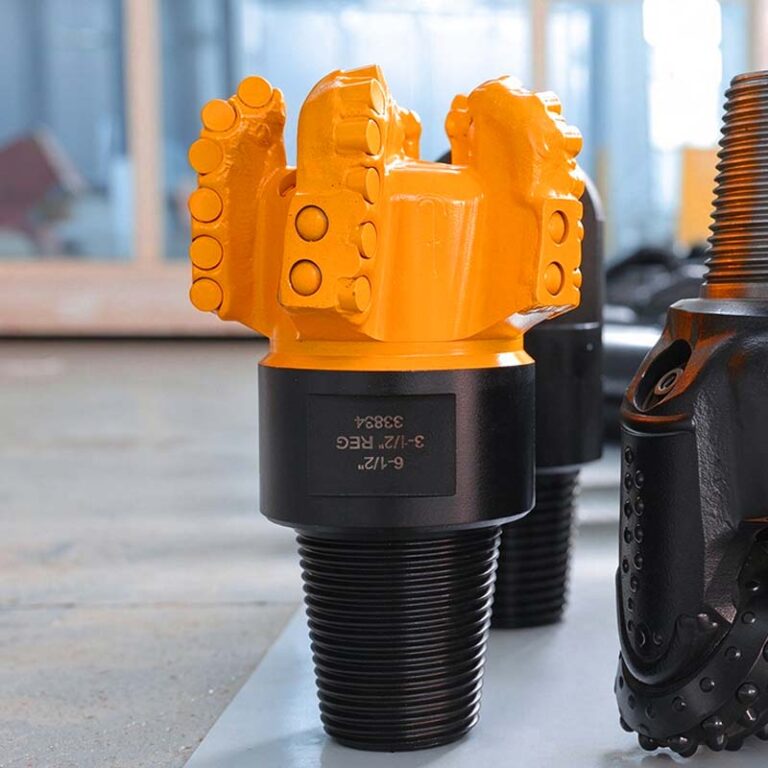
A PDC reamer uses fixed cutters to shear the formation. It is often chosen for soft to medium formations where higher drilling speed and smoother cutting action are needed.
How to Choose the Right Hole Opener
Choosing the right hole opener is not only about diameter. The best tool depends on formation type, rig capacity, drilling method, target bore size, and project risk level.
1. Consider the Formation
Soft to medium and relatively uniform formations may be suitable for PDC designs. Hard, fractured, abrasive, or mixed formations are more likely to require a roller cone or heavy-duty rock reamer hole opener.
2. Check the Hole Enlargement Ratio
A large jump from pilot hole size to final hole size increases torque, vibration, and tool load. In many cases, staged enlargement is the safer and more efficient option.
3. Match the Tool to Rig Capacity
Before ordering a hole opener drill bit, buyers should confirm torque capacity, pullback or thrust, mud flow, connection type, and maximum safe hole size. Even a high-quality tool cannot perform well if the rig is undersized.
4. Focus on Service Life, Not Just Price
A cheaper tool may look attractive at first, but if it wears out too quickly, causes downtime, or requires more trips, the total drilling cost will be much higher.
Common Problems in Hole Opener Drilling
1. Wrong Cutter Selection
Using the wrong cutter type for the formation is one of the most common reasons for poor performance. A tool that works well in soft rock may fail quickly in fractured or highly abrasive ground.
2. Excessive Hole Expansion in One Pass
Trying to enlarge too much in a single pass can create high torque, severe vibration, and excessive stress on both the tool and the drilling system.
3. Poor Hole Cleaning
If drilling fluid flow is insufficient, cuttings may not be removed effectively. This can lead to heat buildup, stuck tools, faster wear, and unstable drilling performance.
4. Ignoring Drilling Signals
Sudden changes in torque, pressure, penetration rate, or vibration are warning signs. Ignoring them can damage the hole opener and increase project risk.
Best Practices for Better Performance
For better drilling results, start with a clean pilot hole, enlarge in reasonable stages, maintain proper fluid flow, and match the drilling parameters to the formation. Tool design matters, but field operation matters just as much.
In hard rock projects, stability, wear resistance, and load control are often more important than simply chasing faster drilling speed.
How to Select a Hole Opener for Hard Rock
For hard rock drilling, buyers usually need a rock reamer hole opener with strong structural support, reliable bearings or cutter retention, good wear protection, and stable cutting action. Cutter layout, body strength, and flushing design all matter in abrasive formations.
If the project includes fractured rock, cobbles, or strong formation variation, a robust roller cone style may be a safer choice than a more aggressive fixed-cutter design.
Conclusion
A hole opener is an essential drilling tool for enlarging a pilot hole safely, efficiently, and with better control. Whether the project involves HDD, oil and gas, mining, water wells, or hard rock drilling, choosing the right hole opener depends on the formation, the rig, the target diameter, and the actual operating conditions.
If you want better drilling performance, longer service life, and lower total drilling cost, the right tool design matters just as much as the right drilling strategy.
Need help selecting the right hole opener for your project? Send us your formation details, pilot hole size, target diameter, and rig model for a technical recommendation.
[ Hole Opener vs Reamer: Key Differences in HDD Drilling ]