Introduction
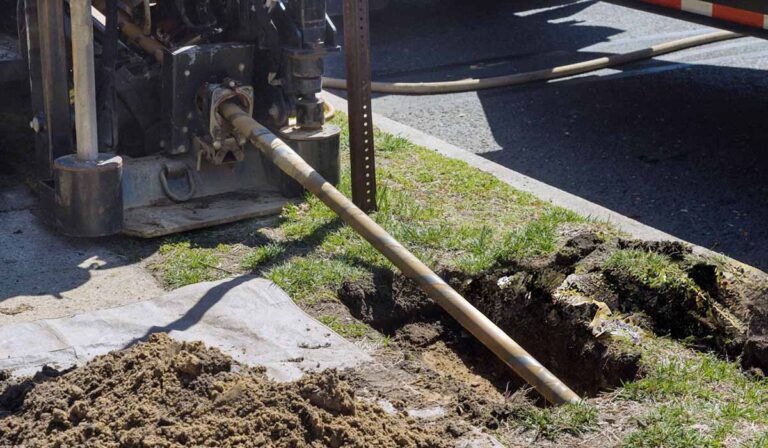
If your bucket drill struggles in hard rock or sticky clay, you are not alone. Many contractors face:
- Drilling speed dropping by over 50%
- Teeth wearing out within days
- Buckets getting stuck in clay
- High fuel and labor costs
These problems are not caused by the rig—but by using the wrong rotary drilling bucket.
A properly designed heavy duty drilling bucket can completely change your drilling performance.
Why Hard Rock & Clay Are So Difficult to Drill
1. Hard Rock Challenges
- Extremely high compressive strength
- Strong abrasion on teeth
- Requires high impact force
Result: Tooth breakage + slow penetration
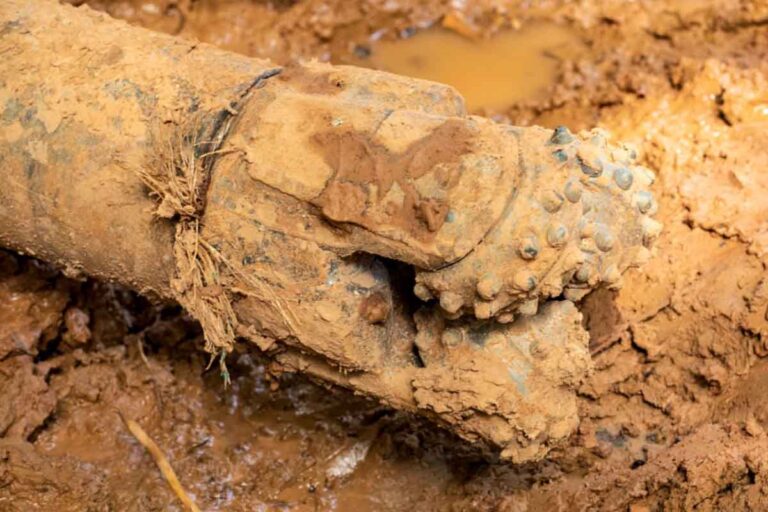
2. Clay Challenges
- Sticky and cohesive
- Easy to clog the bucket
- Difficult soil discharge
Result: Bucket blockage + low efficiency
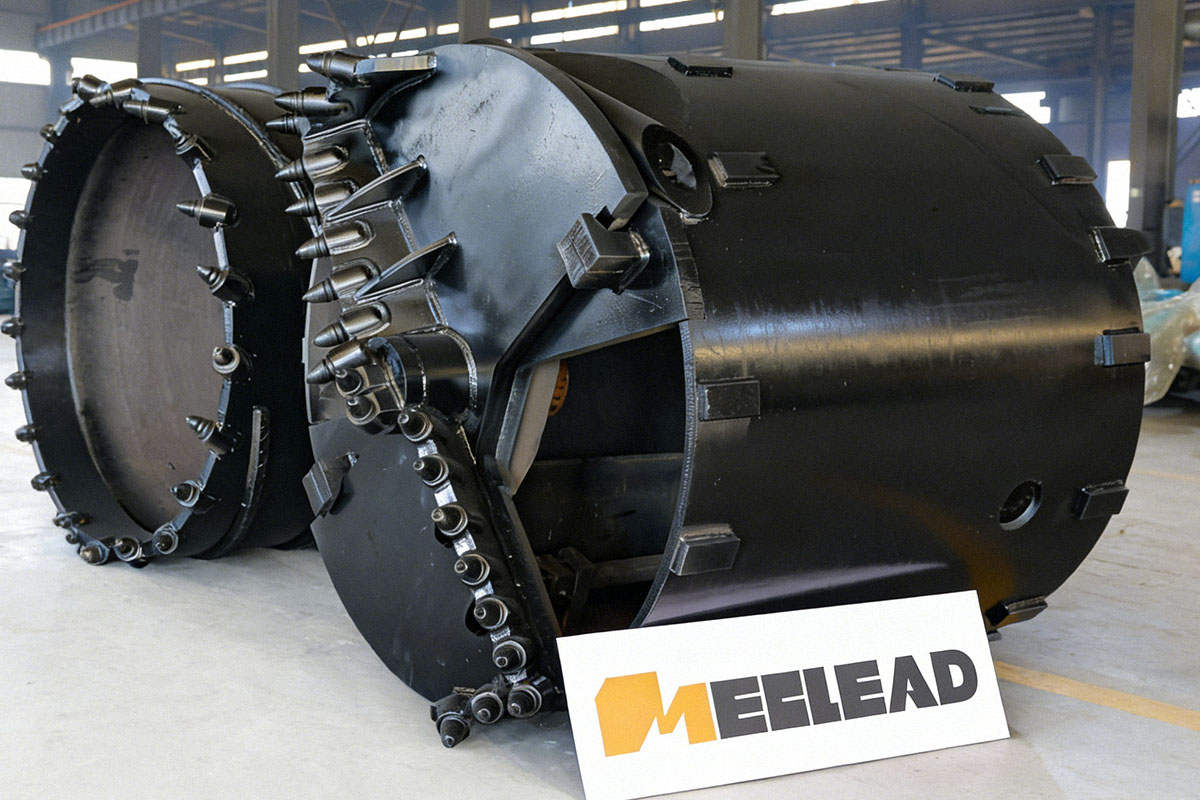
What Makes a Heavy Duty Drilling Bucket Different
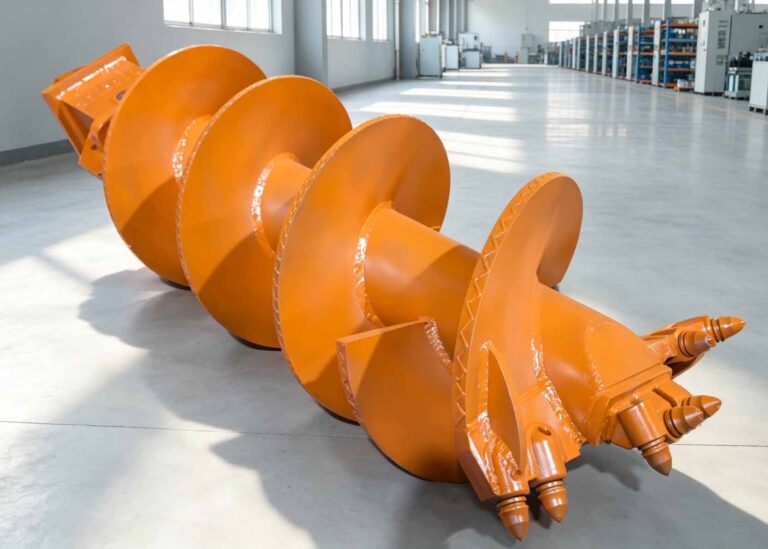
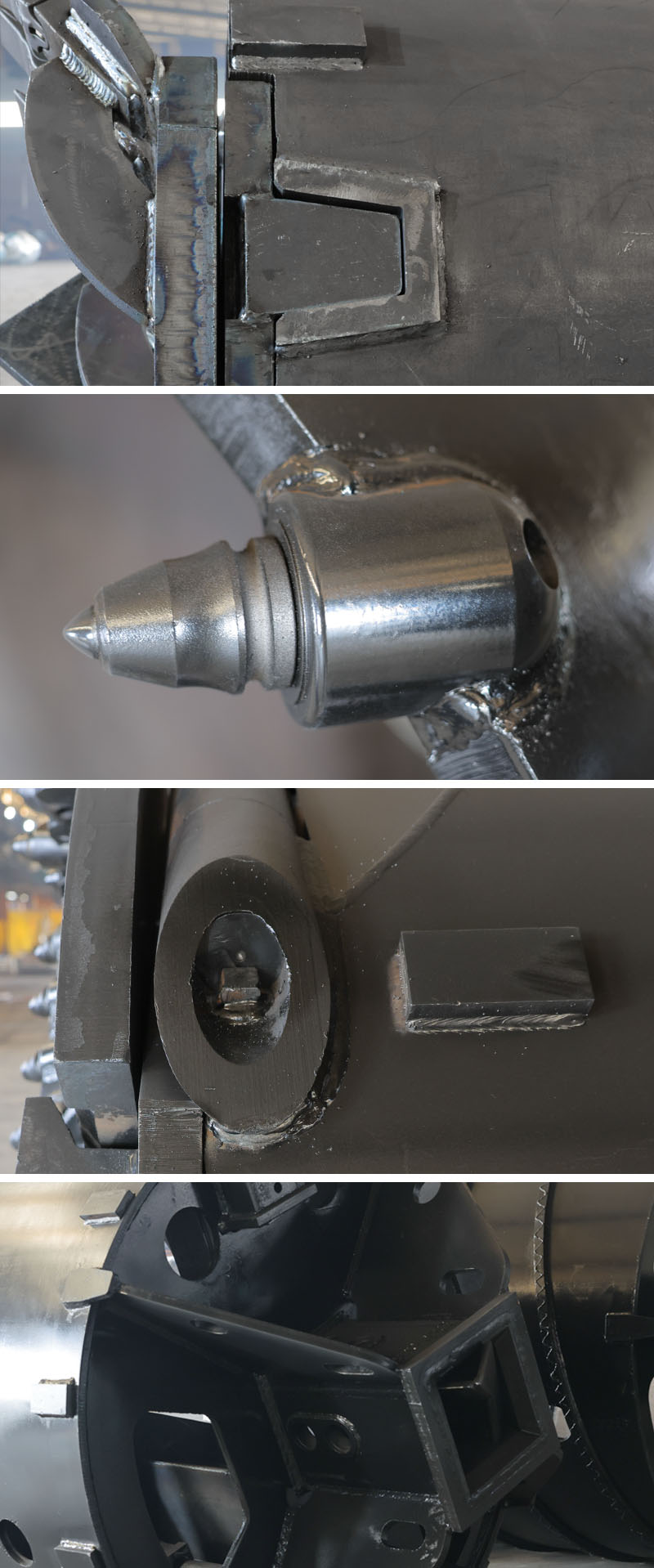
1. Reinforced Structure
- Thickened steel body
- ouble-bottom plate design
Prevents deformation in hard rock
2. Aggressive Cutting Design
- Optimized cutting angle
- Concentrated force on teeth
Improves penetration
3. Wear-Resistant Protection
- Hard-facing welding
- Replaceable wear parts
Extends service life
4. Anti-Clogging Design
- Optimized bucket opening
- Smooth internal structure
Essential for clay
Teeth Selection
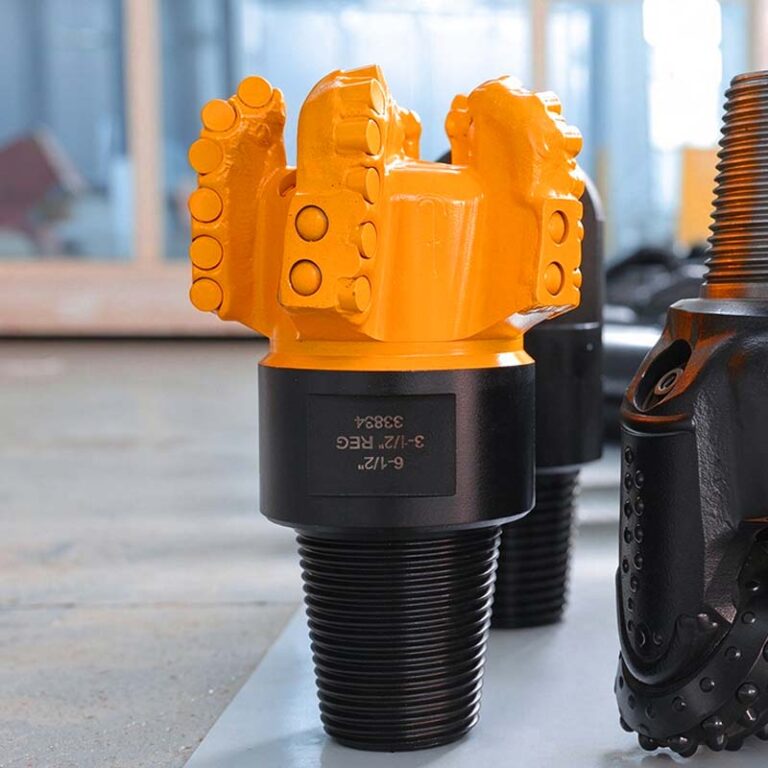
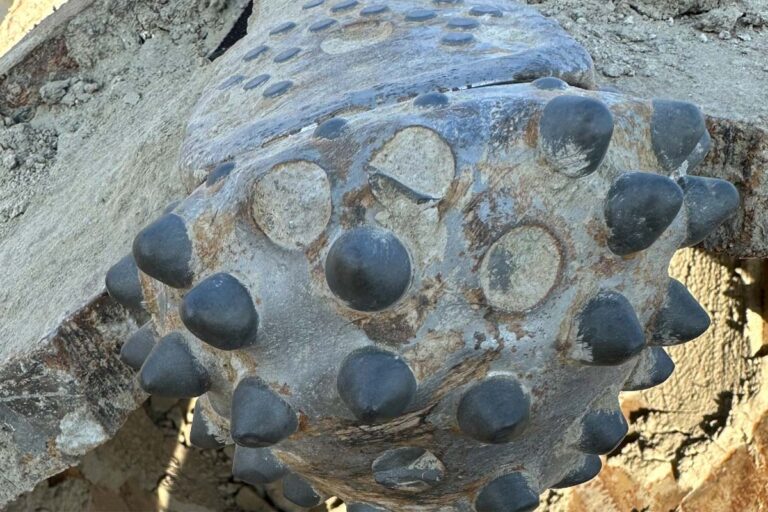
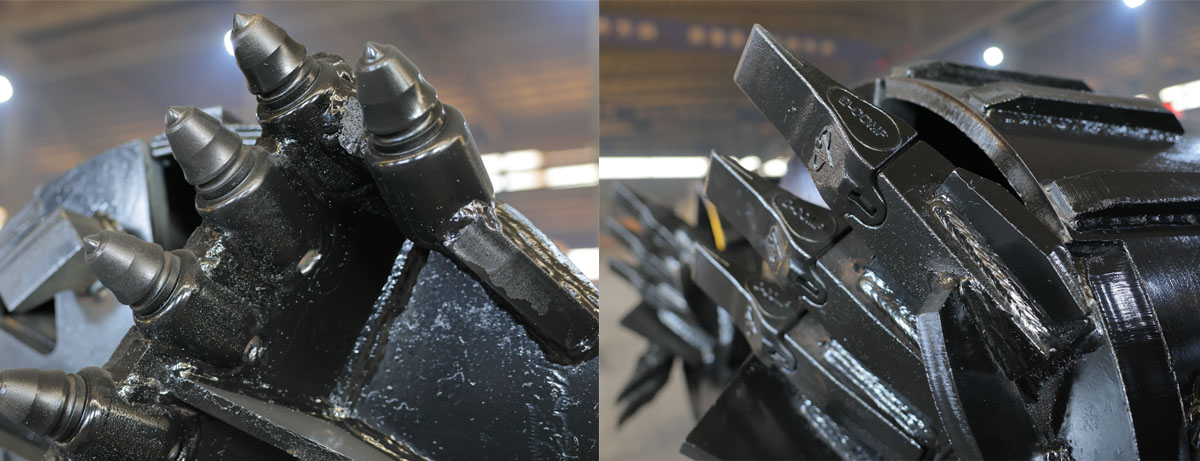
1. Bullet Teeth for Fracturate Rock
- High impact resistance
- Excellent penetration
Best for fractured & non-fractured rock
2. Flat Teeth for Clay
- Wide cutting surface
- Prevents sticking
Best for dirt & sand & silt
3. Mixed Teeth Configuration
- For mixed ground
Combine bullet teeth + flat teeth
Industry Insight:
Over 70% of drilling inefficiency comes from wrong teeth selection, not the bucket itself.
This is where most projects lose money.
Common Mistakes That Kill Efficiency
- Using soil bucket in rock
- Using rock bucket in sticky clay
- Ignoring teeth quality
- No maintenance on wear parts
How to Maximize Your Bucket Drill Performance
- Use the right heavy duty drilling bucket
- Upgrade to high-quality teeth
- Regular inspection
- Adjust drilling parameters
Still not sure which drilling bucket is right for your project?
Choosing the correct bucket drill depends on multiple factors, including soil type, rock hardness, and drilling conditions. Using the wrong rotary drilling bucket can significantly reduce efficiency and increase costs.
Read our complete guide:
What Is a Drilling Bucket ? How to Choose the Right Rotary Drilling Bucket for Soil & Rock
This guide will help you quickly identify whether you need a soil bucket or a rock bucket based on dirt, sand, silt, clay, gravel, or fractured rock conditions—so you can make the right decision before your next project.
Conclusion
In hard rock and clay conditions, using a standard bucket drill setup is a costly mistake. A heavy duty drilling bucket with the right design and teeth selection is essential for efficiency, durability, and profitability.
If your drilling performance is not meeting expectations, the solution is not more power—it’s the right bucket.
Contact us today to get a customized drilling bucket solution for your project.