Introduction
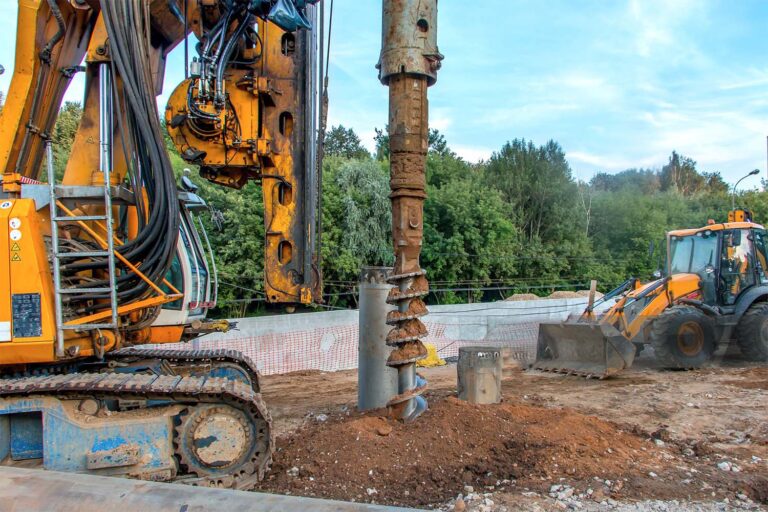
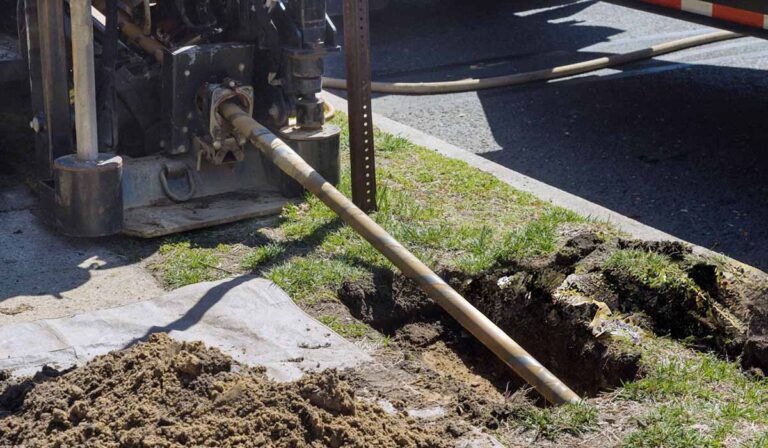
In horizontal directional drilling (HDD), choosing the wrong drill bit doesn't just slow you down — it can lead to tool failure, lost components, and expensive downtime.
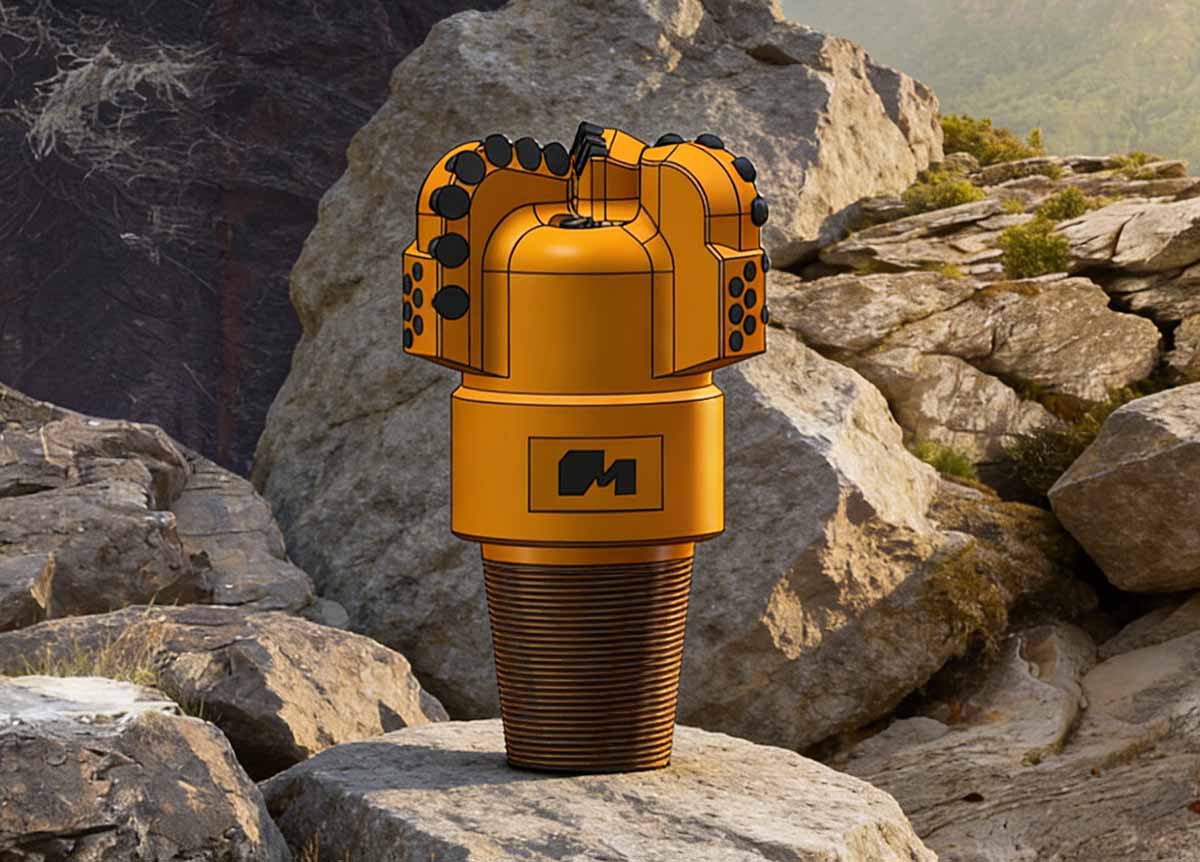
In HDD drilling, water well drilling, mining, and foundation projects, both PDC drilling bits and tricone drill bits are widely used — but each performs differently depending on rock hardness and geological conditions.
The Truth: There Is No Universal "Best Bit"
Many articles claim PDC bits outperform tricone bits.
That's not always true.
- In stable formations, PDC is faster and more efficient
- In hard rock or changing ground, tricone often performs better
The key is: match the bit to the ground, not the trend
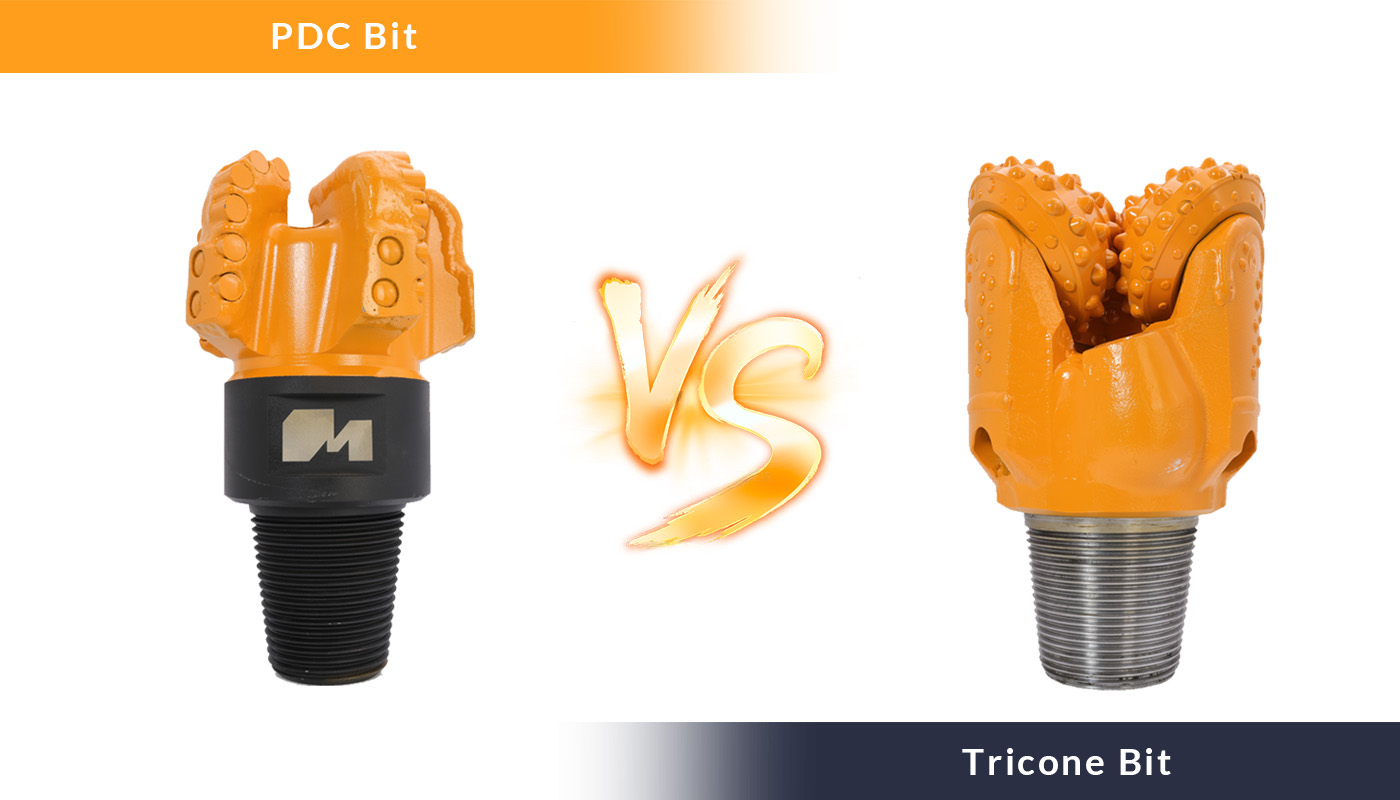
PDC Bit vs Tricone Bit Performance Comparison
1. Drilling Speed
·PDC drilling bits generally deliver higher ROP in soft to medium formations.
Tricone drill bits perform better in fractured or highly abrasive rock.
2. Durability
Tricone bits are more suitable for extremely hard and uneven formations.
PDC bits provide longer life in stable formations.
3. Steering Capability
HDD PDC bits offer better steering performance in directional drilling.
Roller cone bits provide more stability in hard rock drilling.
4. Cost Per Foot
PDC bits can reduce drilling time and operational costs.
Tricone drill bits may lower replacement frequency in hard formations.
PDC Bit Cutting Mechanism
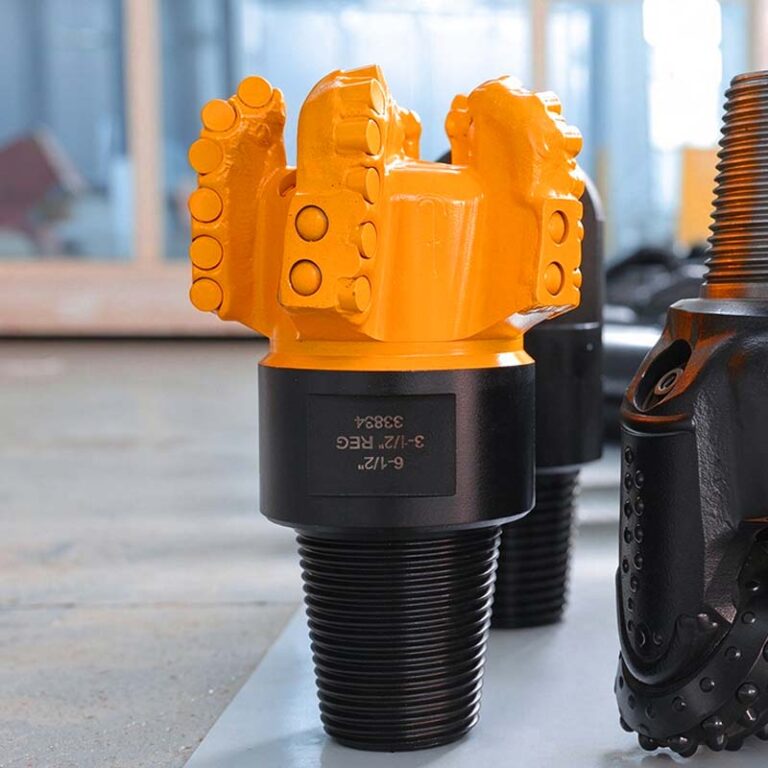
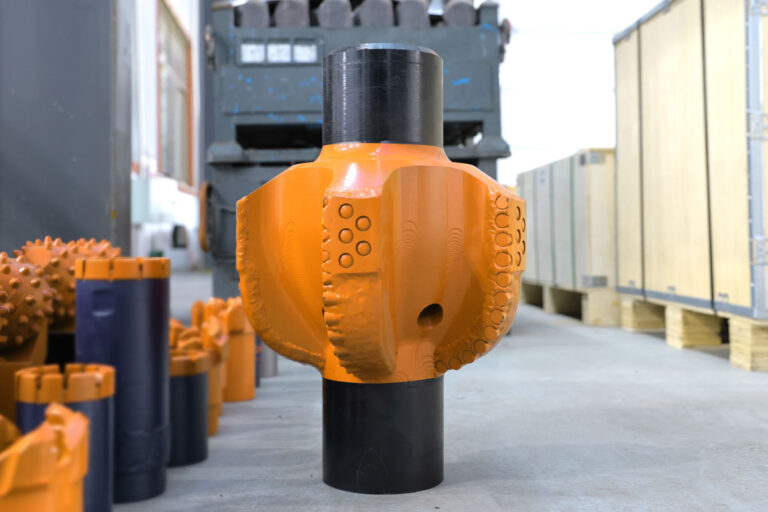
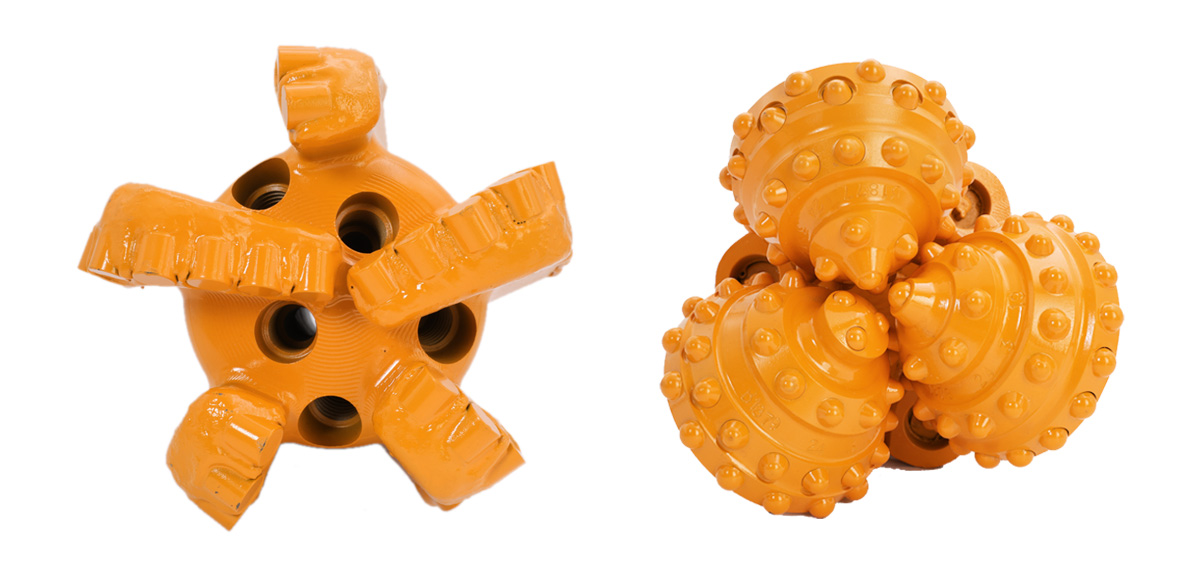
PDC bits use fixed cutters made of polycrystalline diamond compact (PDC). These cutters shear the rock in a continuous cutting action.
Key characteristics:
- Continuous shearing action
- No rolling components
- Efficient in homogeneous formations
- Produces fine cuttings
This mechanism allows higher penetration rates in stable and consistent rock formations.
Tricone Bit Cutting Mechanism
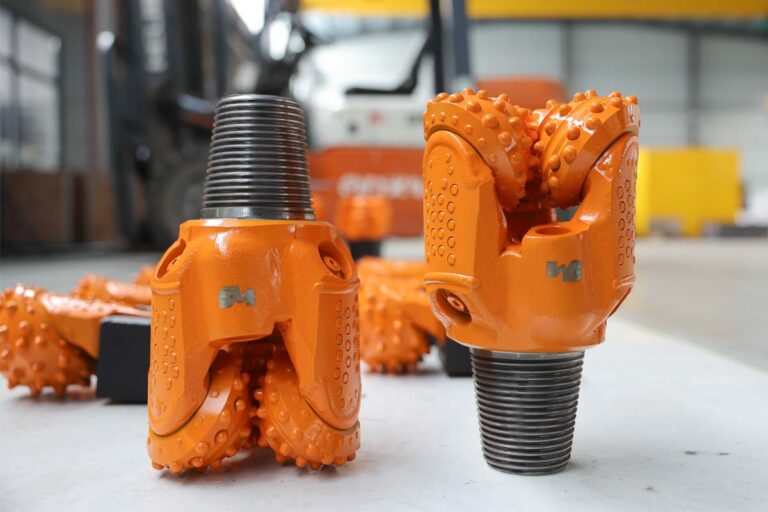
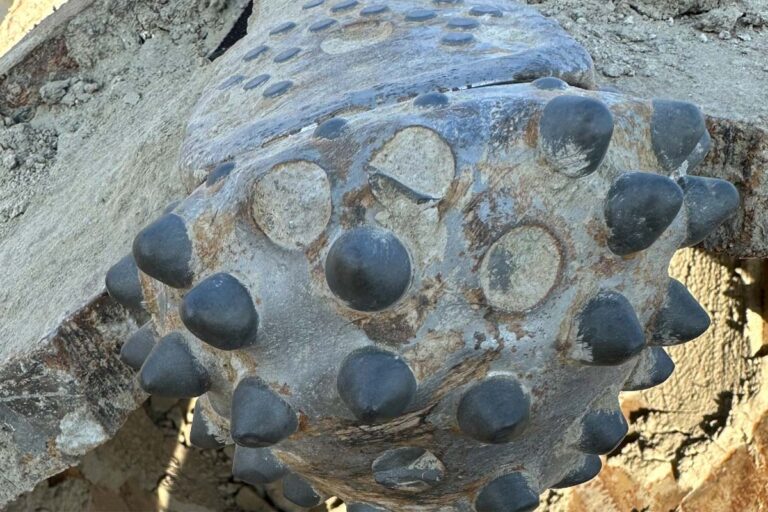
Tricone bits use three rotating cones equipped with steel teeth or inserts. These cones crush and grind the rock as they rotate.
Key characteristics:
- Crushing + grinding action
- Rolling contact with formation
- Strong impact resistance
- Suitable for variable formations
This mechanism performs better in fractured, mixed, or hard rock formations where impact resistance is important.
Best HDD Drill Bits for Different Applications
HDD Pipeline Crossing
PDC bits are commonly used for fast drilling in stable formations.
Hard Rock HDD Drilling
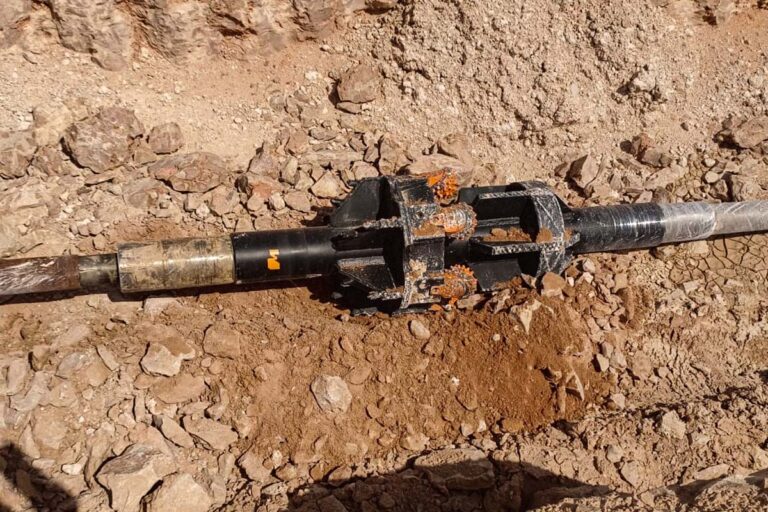
Tricone drill bits and roller cone bits are better for highly abrasive rock.
Mixed Ground Conditions
Combination drilling tools may improve overall efficiency.
PDC vs Tricone Bit: What Really Matters
PDC Bit Advantages
- No moving parts → no risk of losing components downhole
- Lower failure risk → more predictable performance
- Repairable and reusable → reduces long-term cost
- High drilling speed → excellent in consistent formations
Best for: stable ground, efficiency-focused projects
PDC Bit Limitations
- Less adaptable to changing formations
- Performance drops in fractured or mixed ground
- Not ideal for extreme hard rock
Tricone Bit Advantages
- Performs better in hard rock
- Highly adaptable to mixed formations
- More forgiving in unstable conditions
Best for: hard rock and variable geology
Tricone Bit Limitations
- Moving parts → potential failure risk
- Slower drilling speed
- Cannot be easily repaired
Decision-Making Flowchart (Text Version)
Step 1: Identify Formation Type
- Stable hard rock → go to Step 2
- Mixed / variable ground → choose Tricone
- Soft soil → Tricone recommended
Step 2: Evaluate Drilling Priorities
Ask yourself:
- Is drilling speed the top priority?
- Is minimizing downtime more important?
- Is tool reliability critical?
Step 3: Consider Risk Factors
- Risk of formation change
- Borehole stability
- Equipment downtime cost
- Possibility of tool failure
Practical Selection Logic
In real HDD projects, experienced contractors do not select drill bits based on type alone. Instead, they evaluate:
- Geological report
- Historical drilling data
- Project constraints
- Risk tolerance
The goal is not to find the “best bit”, but the most reliable and cost-effective solution for the specific ground conditions.
Conclusion with Decision Insight
Selecting between PDC and tricone bits in HDD is a strategic decision based on geology, risk, and project requirements.
- PDC bits are ideal when efficiency and speed are prioritized in stable formations.
- Tricone bits are the preferred choice in hard rock, mixed formations, and unpredictable conditions due to their adaptability and reliability.
In many real-world HDD projects, tricone bits are chosen not because they are faster, but because they reduce operational risk and improve overall project stability.
Explore our full range of HDD drill bits:
- High-performance PDC bits for hard rock drilling
- Durable tricone bits for complex ground conditions
Need help selecting the right HDD reamer for your project? Send us your formation details, pilot hole size, target diameter, and rig model for a technical recommendation.
[ Optimal HDD Hole Opener Selection for Hard Rock and Complex Ground Conditions ]