Introduction
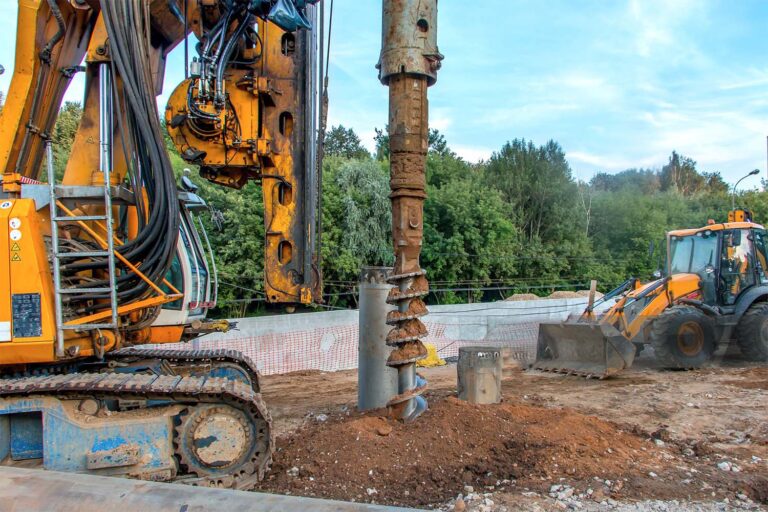
In modern infrastructure engineering, the bored pile has become the cornerstone of heavy-duty deep
foundations. Whether supporting soaring skyscrapers, expansive highway flyovers, or complex marine ports,
a robust piling foundation is essential for ensuring structural longevity. As a high-capacity construction pile
type, bored piling offers distinct advantages over traditional driven piles, including minimal geological
vibration, low noise emission, and the flexibility to penetrate exceptionally deep, hard rock strata.
However, executing a flawless bored piling operation is easier said than done. Geotechnical contractors
worldwide consistently battle two interconnected, margin-eating field challenges: borehole collapse (hole
cave-ins) and excessive concrete overbreak (pouring more concrete than the theoretical volume). These
challenges do not just stall the project schedule; they lead to massive financial losses in concrete waste,
slurry contamination, and potential structural integrity failures. This comprehensive guide details the root
causes of these issues and outlines proven engineering strategies to mitigate them effectively.
1. Understanding the Mechanics of Borehole Collapse
A borehole cave-in occurs when the lateral earth pressure exerted by the surrounding soil exceeds the
counter-pressure provided within the drilled hole. In a stable excavation, the stress equilibrium of the ground
is disturbed. If the soil lacks cohesion—such as in loose sands, gravelly layers, or areas with a high water
table—the risk of collapse increases exponentially.
Key triggers for borehole collapse during the installation of a construction pile include:
- Hydrostatic Pressure Imbalance: When drilling below the water table, if the water level
inside the borehole drops below the groundwater level, water flows into the hole, washing away the fine
soil particles and triggering a sudden collapse. - Inadequate Slurry Viscosity: Failing to maintain the proper density and viscosity of the
drilling fluid means the fluid cannot form a proper "filter cake" along the borehole wall. - Mechanical Tool Disturbances: Rapidly lifting or lowering a large rotary drilling bucket
creates a piston/suction effect. This dramatic pressure surge destabilizes fragile soil layers instantly.
2. The True Cost of Concrete Overbreak
Concrete overbreak is defined by the overbreak factor
While an overbreak factor of 5% to 10% is typically anticipated in geotechnical budgeting due to natural soil
irregularities, factors surging past 20% to 40% represent poor operational control and severe profit loss.
Why does overbreak occur during bored pile construction?
- Localized Micro-Collapses: Small-scale cave-ins along the shaft profile create expanded
cavities or "bellies" that must be completely filled with concrete during tremie pouring. - Soil Softening and Erosion: Extended exposure of the open borehole to weak drilling
fluids softens the soil, causing it to erode easily under the hydrostatic pressure of the wet concrete column. - Improper Drilling Alignment: If the rotary rig operates out of alignment, operators may
over-ream or over-drill to clear obstructions, unintentionally widening the bore path.
3. Engineering Solutions to Prevent Borehole Collapse
To guarantee a secure, code-compliant piling foundation, contractors must utilize active stabilization
techniques. The choice between bentonite slurry, polymer fluids, or mechanical casings depends heavily on
the project's geological report.
A. Optimizing Slurry Technologies (Bentonite vs. Polymer)
Drilling fluids act as a hydraulic stabilizer by creating a continuous positive hydrostatic pressure head inside
the shaft.
| Slurry Type | Stabilization Mechanism | Best Suited For |
|---|---|---|
| Bentonite Slurry | Forms a physical, impermeable "filter cake" (mud cake) on the borehole wall. | Highly permeable gravel layers and coarse sands. |
| Polymer Slurry | Utilizes long-chain molecules to chemically bind loose soil particles together through polymer cross-linking. | Fine sands, silts, and clay strata; offers rapid settlement of solids. |
Pro-Tip for Slurry Management: Always maintain the slurry column at least 1.5 meters above the
local groundwater table to prevent inward hydraulic gradients that trigger sudden borehole collapse.
B. Mechanical Stabilization: Temporary and Permanent Casings
When drilling through hyper-unstable strata, such as loose running sand or soft estuarine mud, fluid
stabilization alone may fail. Here, driving a heavy-wall steel casing ahead of the drilling tool is mandatory.
Mechanical oscillators or vibratory hammers insert the casing smoothly, shielding the newly excavated
construction pile zone from loose soils and high lateral pressures.
4. Targeted Strategies to Minimize Concrete Overbreak
Minimizing overbreak requires a combination of precise equipment operation, strict material control, and real-
time verticality tracking.
A. Implement Advanced Borehole Profiling (KODEN Testing)
Before deploying the reinforcement steel cage, engineers should utilize ultrasonic distance-measurement
sensors (such as the KODEN system) to map the real-time cross-sectional profile of the shaft. The ultrasonic
waves scan the inner walls, generating a precise 3D graph that identifies any excessive "bellies" or bulging
sections. If localized micro-collapses are identified early, fluid properties can be adjusted before concrete
casting, reducing unexpected concrete overbreak.
B. Standardize the Tremie Concrete Pouring Speed and Depth
The hydrostatic pressure exerted by a freshly poured column of wet concrete is massive. If the concrete is
dropped too rapidly or from too high a distance, it generates an aggressive outward shockwave, displacing
the surrounding soft soil wall.
To counter this, adhere to the following best practices:
- Keep the tremie pipe bottom submerged exactly 2.0 to 6.0 meters into the wet concrete at all times.
- Maintain a steady, continuous pour to prevent the concrete from setting prematurely, which forces
operators to apply sudden high pressure to resume flow.
5. Selecting the Right Drilling Tools for Geotechnical Stability
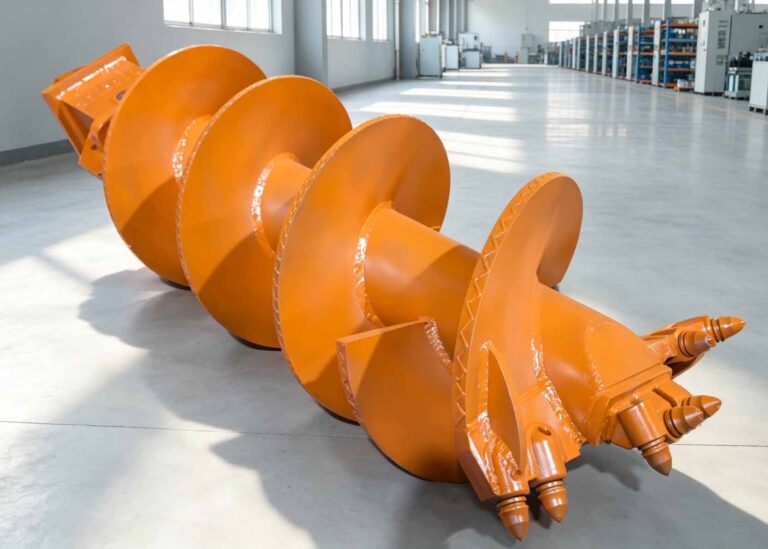
A major contributor to both borehole collapse and concrete overbreak is tool mismatched to geology. For
instance, using a standard drilling bucket in cohesive clay causes vacuum suction during extraction, pulling
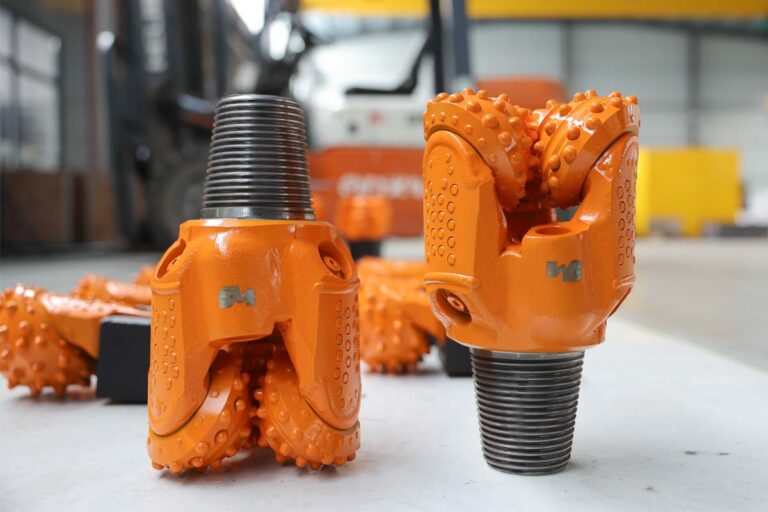
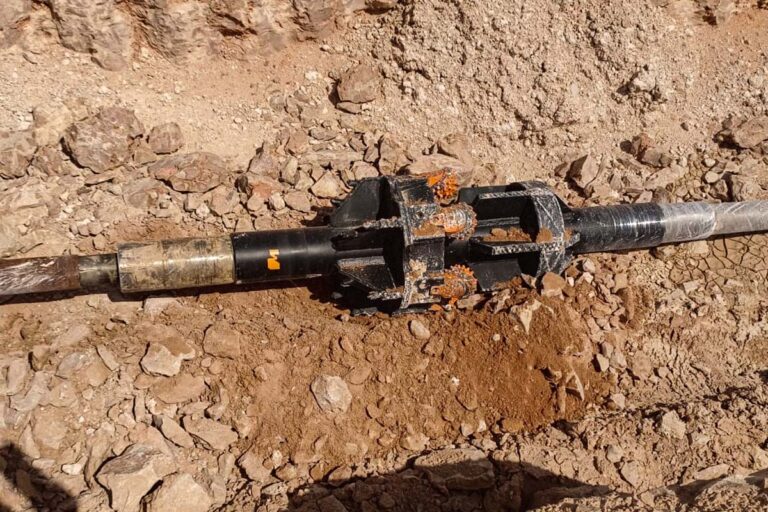
the borehole walls inward. Conversely, using a heavy core barrel with aggressive roller bits in soft sand
causes excessive mechanical vibration, loosening the delicate soil wall structure.
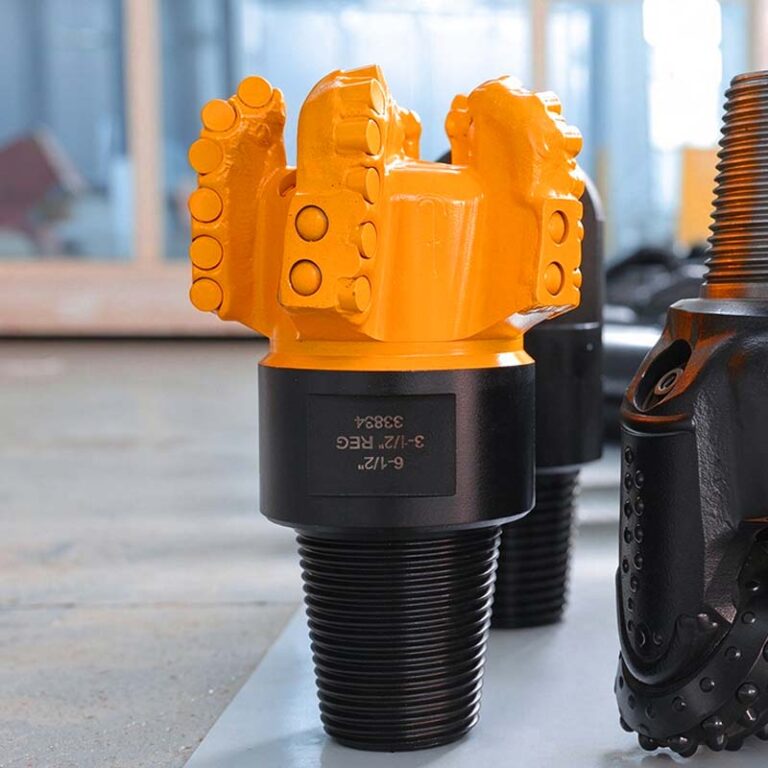
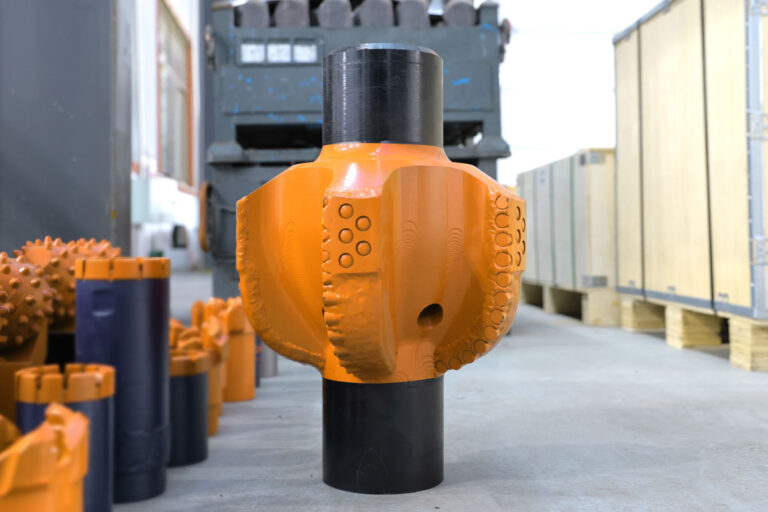
Contractors must design their drilling string layout with care, incorporating vent valves on drilling buckets to
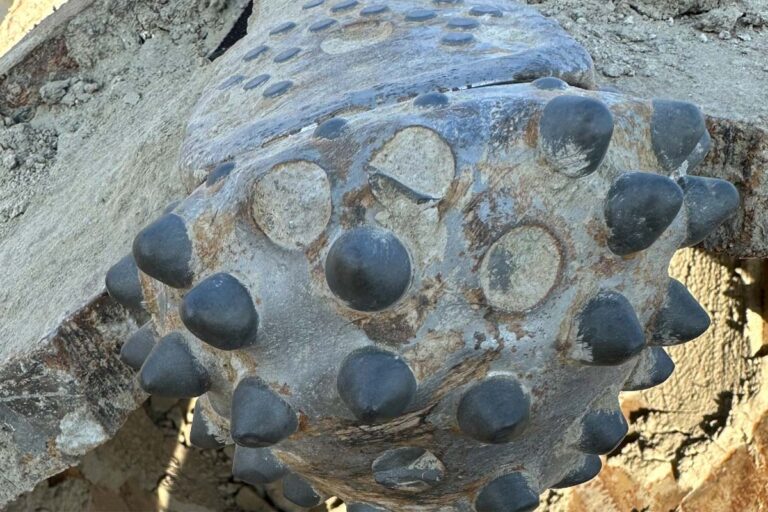
neutralize vacuum suction and selecting high-quality tungsten carbide cutting teeth to cut cleanly through rock formations without inducing excessive, destructive micro-vibrations.
Conclusion
Successfully installing a high-capacity bored pile requires balancing subterranean fluid mechanics, precise
machinery handling, and high-quality tooling. By understanding the core drivers behind borehole collapse
and deploying KODEN testing alongside optimized casing solutions, contractors can keep their concrete
overbreak factors strictly under control, protecting both project deadlines and corporate profitability.
Are you planning an upcoming complex piling foundation project?
Don't let challenging soil conditions compromise your margins.
Contact our team of senior geotechnical drilling tool experts today to select the optimal drilling setup and wear-resistant accessories engineered for maximum borehole wall integrity.