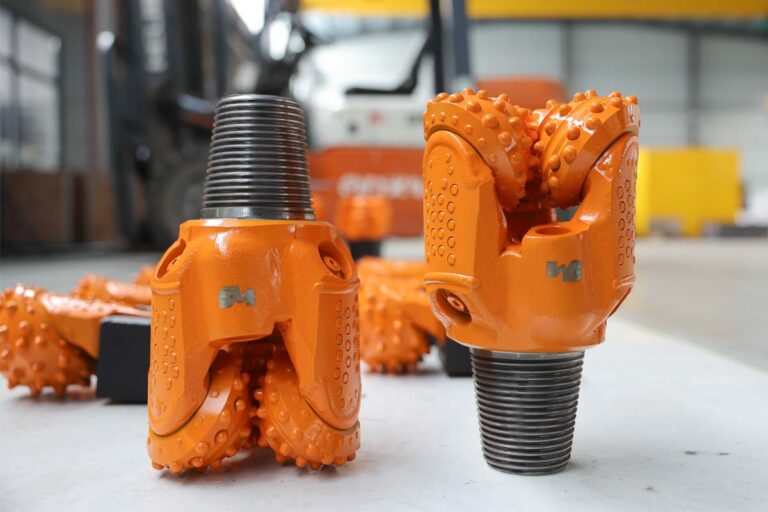
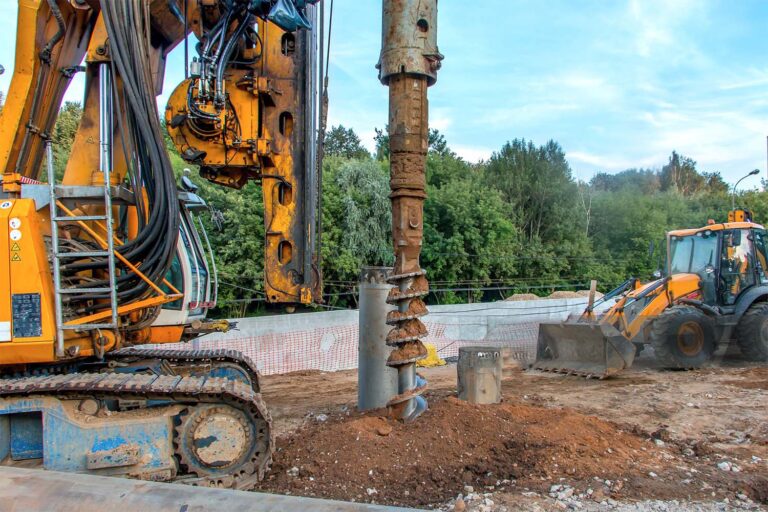
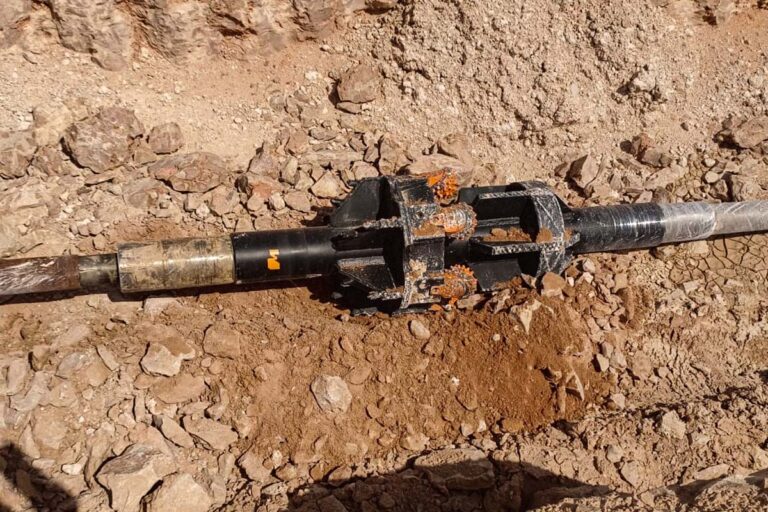
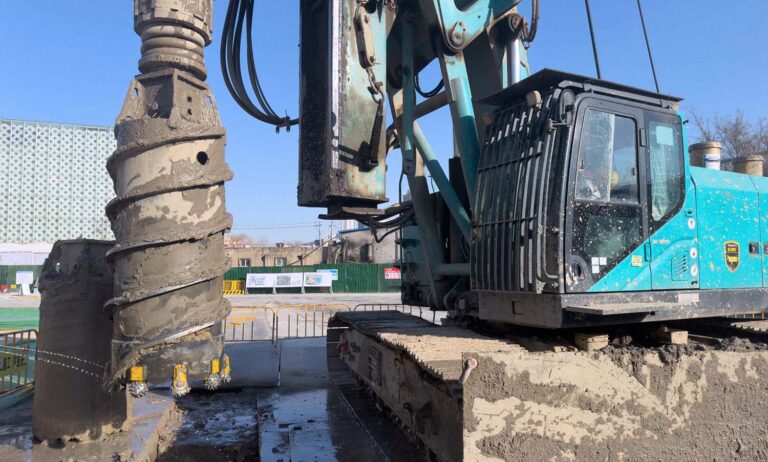
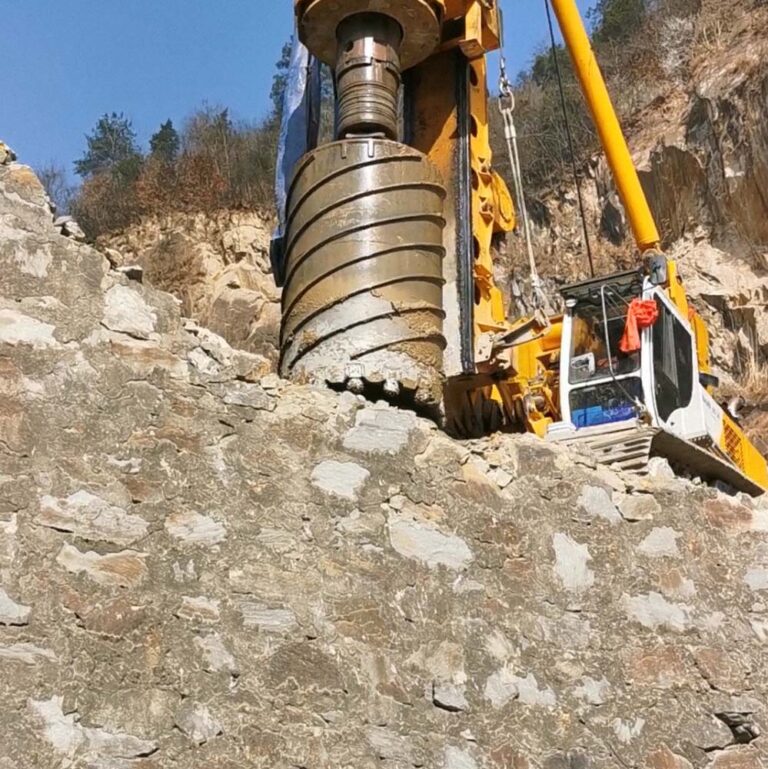
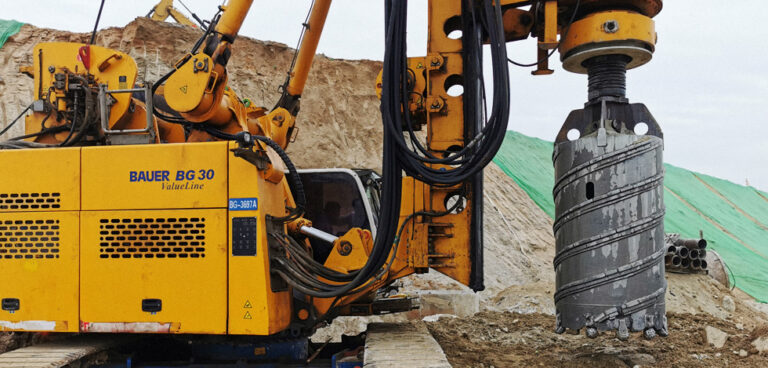
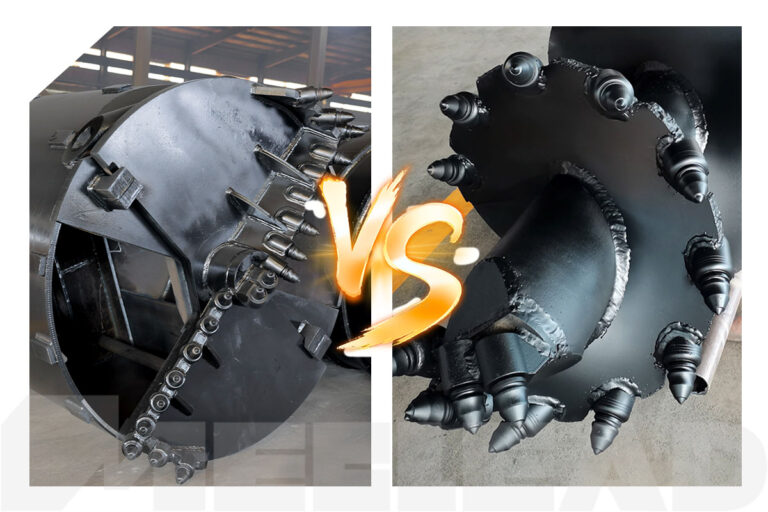
A drilling bucket auger is one of the most commonly used tools in foundation drilling, especially for bored pile construction. It is mainly designed for drilling in soil, clay, sand, gravel, and fracturate rock formations. The bucket works by cutting into the ground with bullet teeth or bauer teeth, collecting soil or rock fragments inside the barrel, and then being lifted out by the rotary drilling rig to clean the hole.Depending on ground conditions, different types such as soil drilling bucket and rock drilling bucket are used to achieve optimal drilling performance.
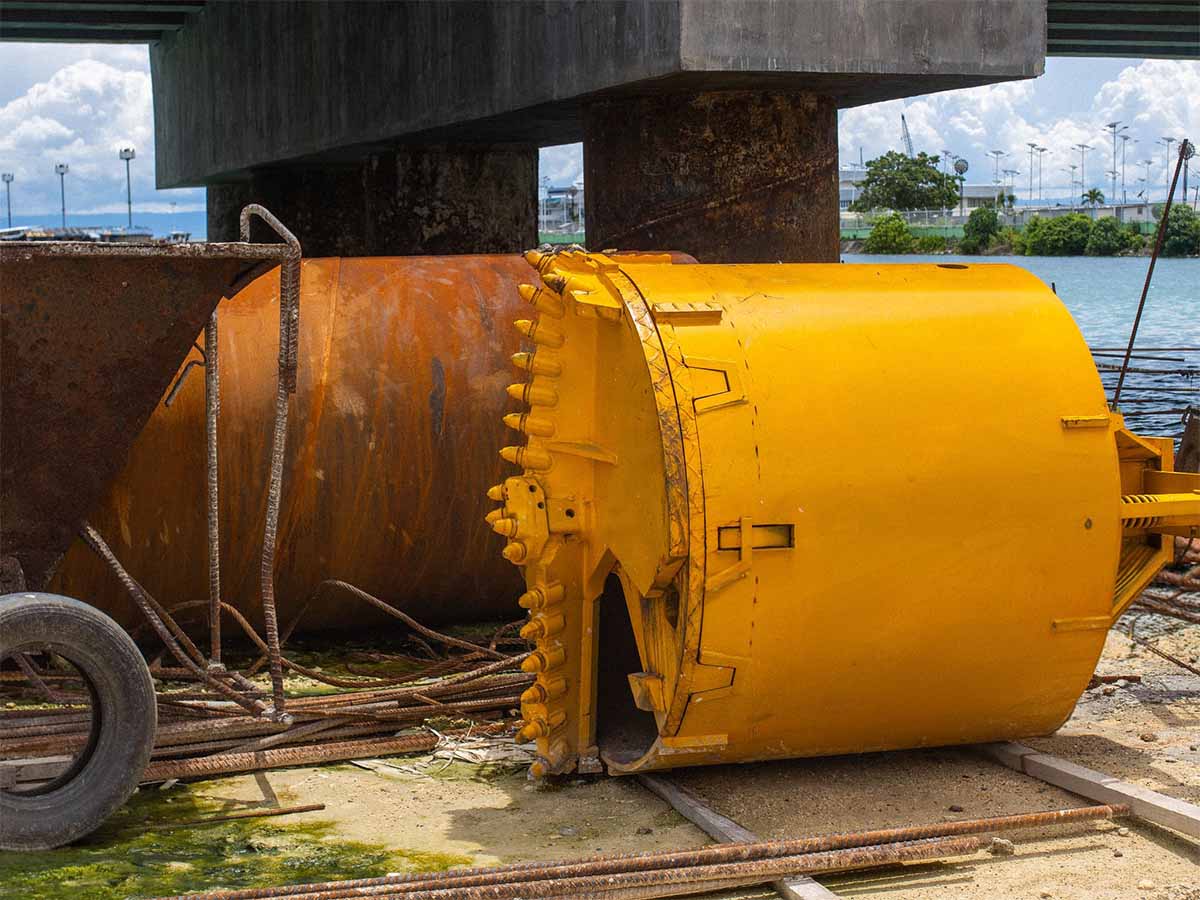
How Does a Drilling Bucket Work?
A drilling bucket operates through a cyclic process of cutting, collecting, and lifting soil or rock using a rotary drilling rig.
In piling and foundation projects, the rotary drilling bucket is mounted on a Kelly bar and rotates under torque to penetrate the ground. As the bucket rotates, the cutting teeth (soil teeth or rock teeth) break the formation and guide the material into the bucket body.
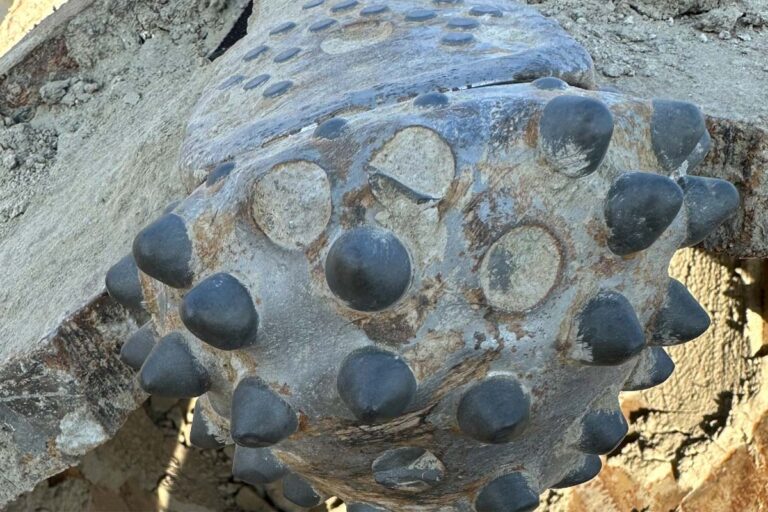
For softer formations, a drilling bucket auger effect is created — the spiral or cutting structure helps move soil efficiently into the bucket. In harder formations, such as weathered rock or fractured layers, a rock drilling bucket relies on reinforced teeth to crush and scoop material.
Step-by-Step Working Process:
- Penetration
The rotary drilling bucket is lowered to the bottom of the borehole and begins rotating under high torque and crowd pressure. - Cutting & Filling
- In soil: the drilling bucket auger action helps loosen and convey material into the bucket
- In rock: the rock drilling bucket teeth crush and scrape fragmented rock into the bucket
- Loading Efficiency
The bucket design (bottom opening, vent holes, and body shape) ensures maximum filling rate and prevents clogging. - Lifting & Discharge
Once filled, the bucket is lifted out of the hole. The bottom door opens automatically or mechanically to discharge the material. - Repeat Cycle
The process repeats until the required depth is achieved.
Where Can Drilling Buckets Be Used?
- Soft soil & clay
- Sand & gravel
- Weathered & soft rock
- Mixed formations
Different Types of Drilling Buckets
1.Soil Drilling Bucket
Designed for soft soil, sand, and clay.
Equipped with flat teeth for efficient soil removal.
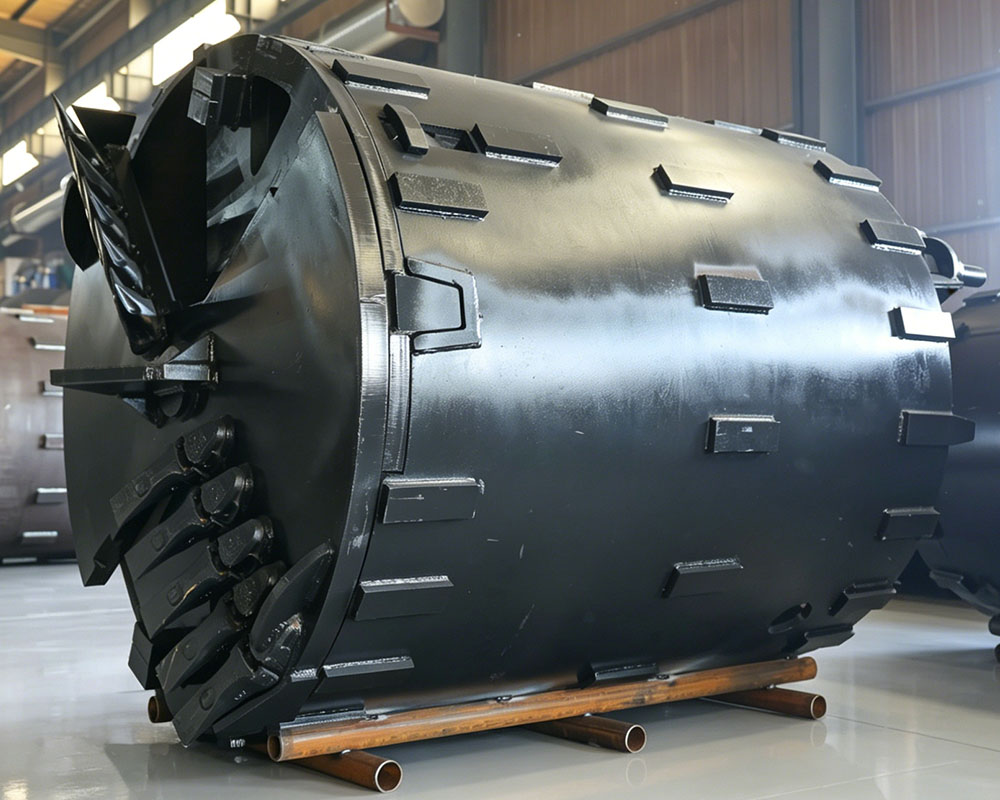
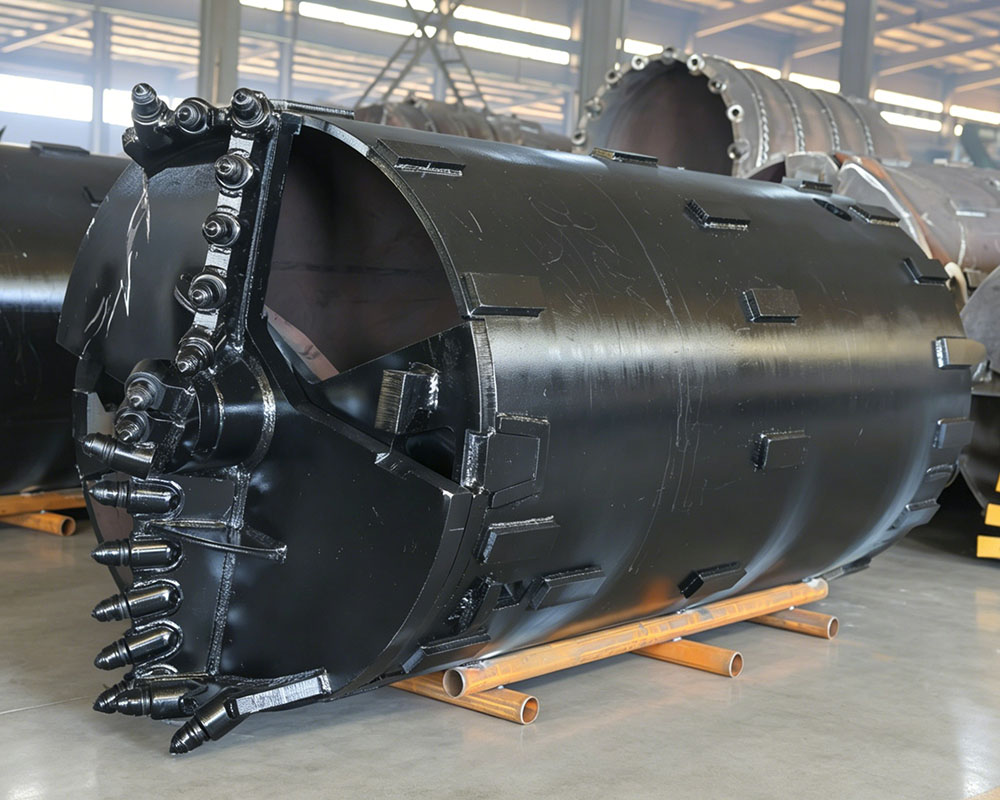
2.Rock Drilling Bucket
Used in gravel, hard soil, and rock formations.
Equipped with bullet teeth or rock auger teeth for strong cutting ability.
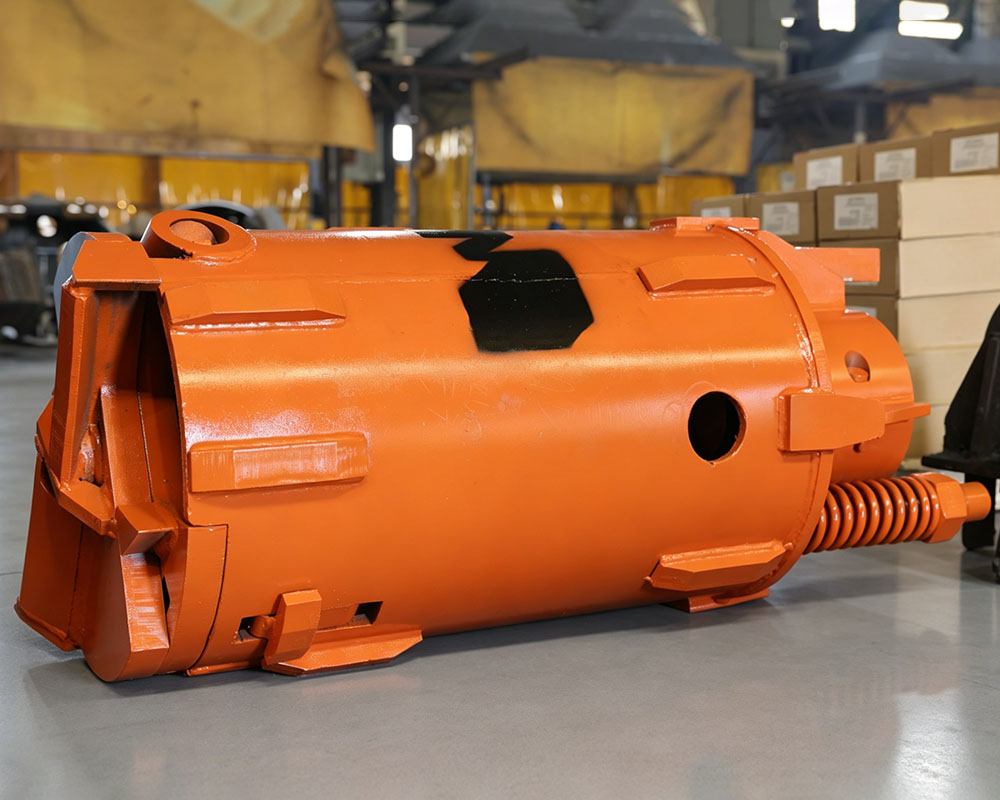
3.Clean-Out Bucket
Used for cleaning and finishing pile holes before concreting.
Ensures pile foundation stability and accuracy.
How Does a Drilling Bucket Work?
During operation, the drilling bucket rotates to cut into the ground, collecting soil or rock inside the bucket. Once filled, it is lifted to discharge the material.
In rock formations, reinforced teeth are used to improve cutting performance and durability.
Get the Right Drilling Bucket for Your Project
Not sure which drilling bucket fits your project?
Our engineering team can help you select the right soil drilling bucket, rock drilling bucket, or clean out bucket based on your ground conditions.
Contact us today for a free recommendation and improve your drilling efficiency.
Use Bullet Teeth for rock and Flat Teeth for soil or clay to optimize drilling speed and tool life.
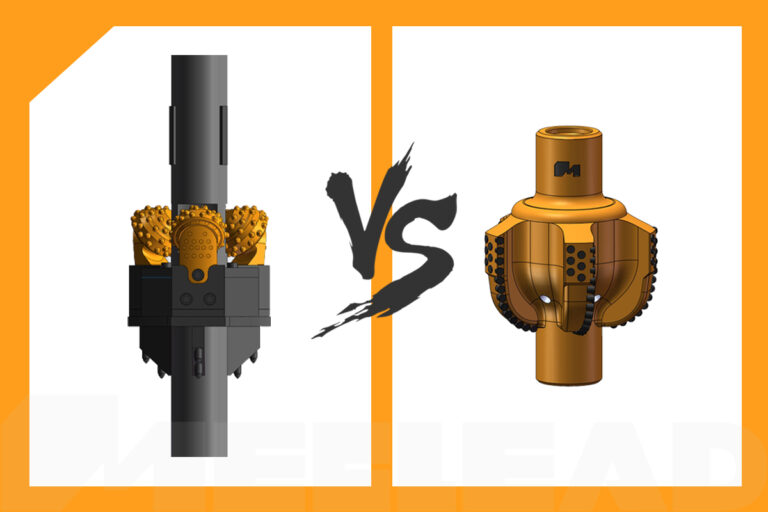
Drilling buckets are ideal for loose soil, high groundwater sand, or bottom cleaning. Augers are better for cohesive clay or hard rock. In collapsible strata, a bucket is superior as it captures and contains the material with its bottom gate.
Signs for replacement include a drop in Rate of Penetration (ROP), increased rig load, or base plate wear exceeding 10-15mm. Timely maintenance prevents structural damage to the bucket body.