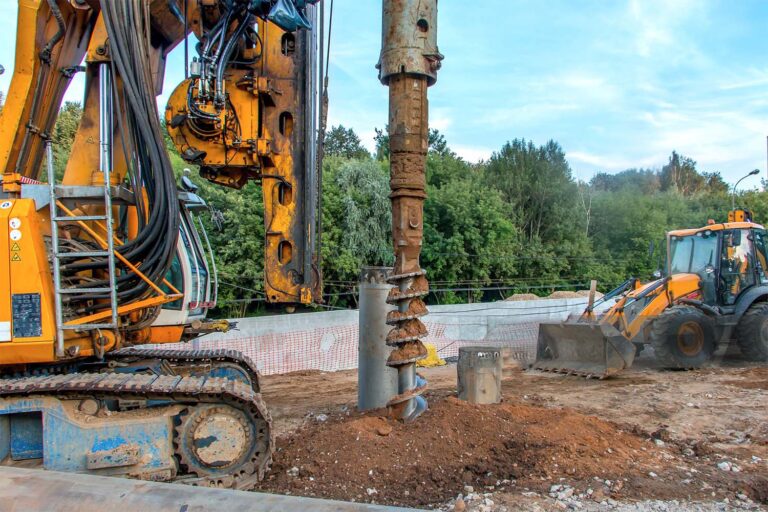
Choosing the right rock core barrel is critical for achieving high efficiency, low wear, and stable performance in hard rock drilling projects. Many contractors struggle with slow penetration, excessive tool wear, or even tool failure—often due to incorrect tool selection.
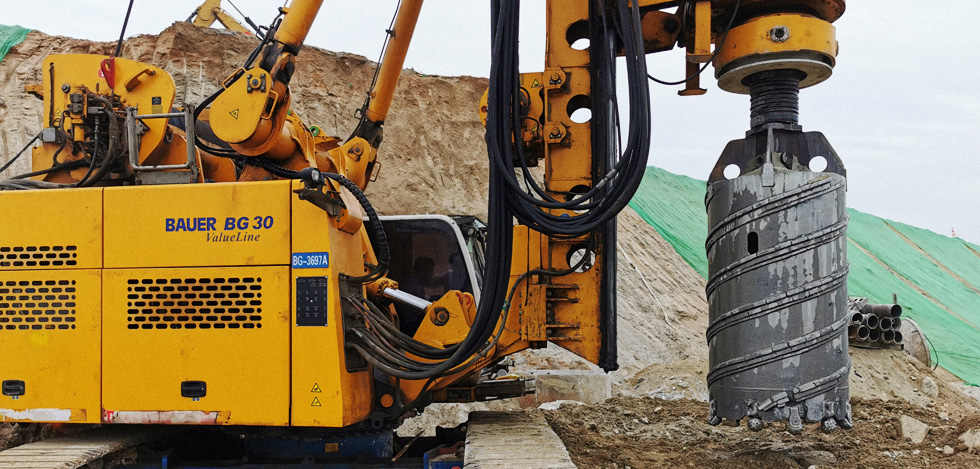
As one of the most essential Rotary Drilling Tools, the core barrel plays a key role in bored pile construction, especially in challenging ground conditions.
Why Choosing the Right Rock Core Barrel Matters
Using the wrong drilling tool in hard rock conditions can result in:
- Slow drilling speed
- High torque load on drilling rigs
- Excessive wear on cutting teeth
- Increased project costs
Selecting the correct rock core barrel improves penetration rate and extends tool life.
Rock Conditions and Their Impact on Core Barrel Selection
Selecting the right rock core barrel is not only about identifying rock type—it requires a comprehensive understanding of rock strength, weathering degree, groundwater conditions, and formation stability. In real piling projects, improper selection often leads to slow drilling, tool wear, hole collapse, or deviation.
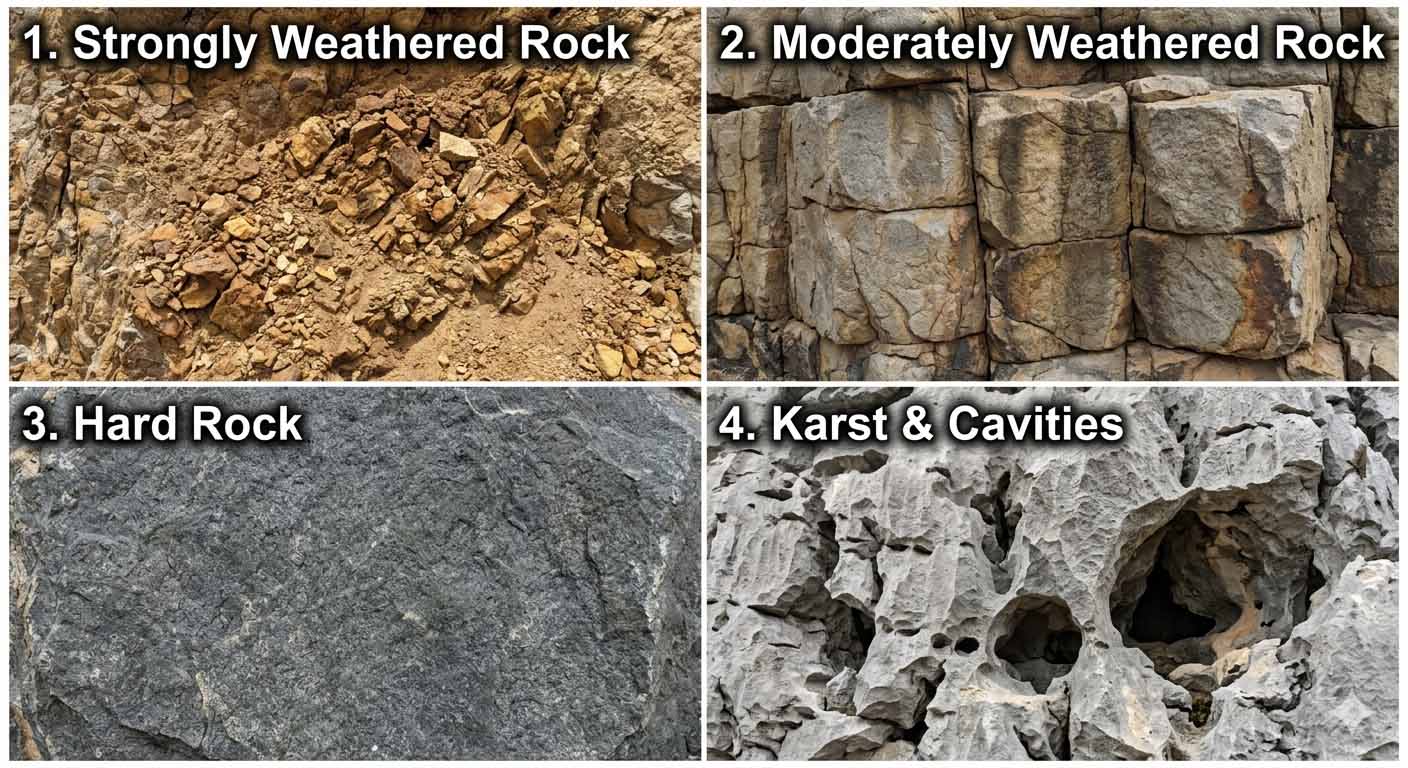
1. Strongly Weathered Rock
Strongly weathered rock is highly fractured and loose, with strength typically ranging from 300–800 kPa. It often contains soft layers or groundwater, making the borehole unstable and prone to collapse or deviation.
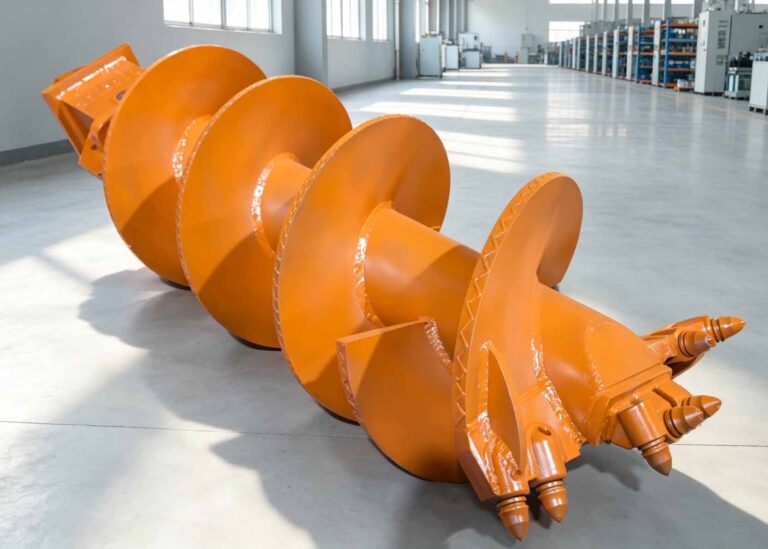
For this condition, it is recommended to use a bullet teeth core barrel rock auger or bucket. Dry drilling can be applied when groundwater is limited, while slurry protection should be used in loose or water-rich formations. Adding guide teeth or stabilizing structures helps control deviation.
2. Moderately Weathered Rock
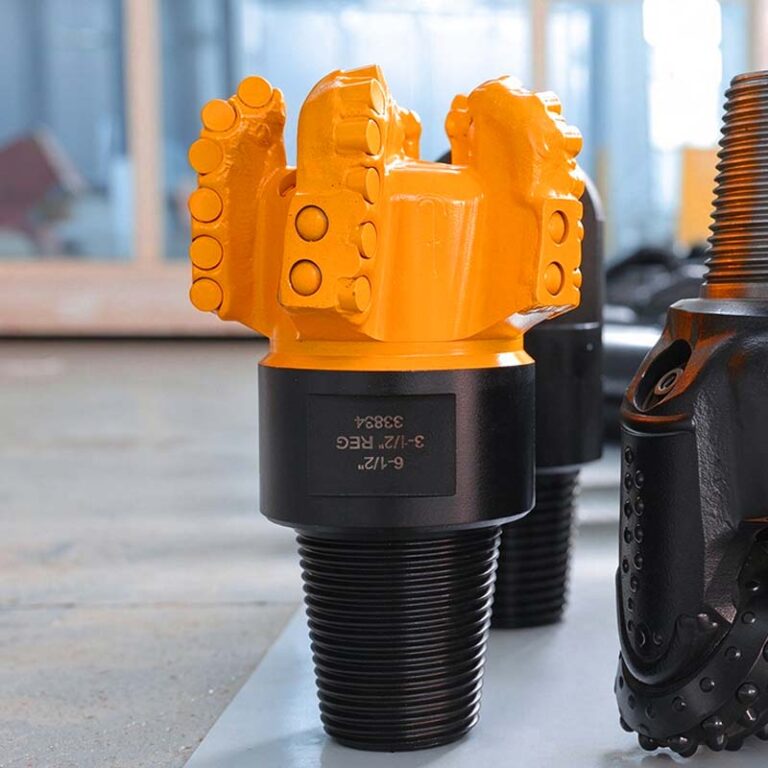
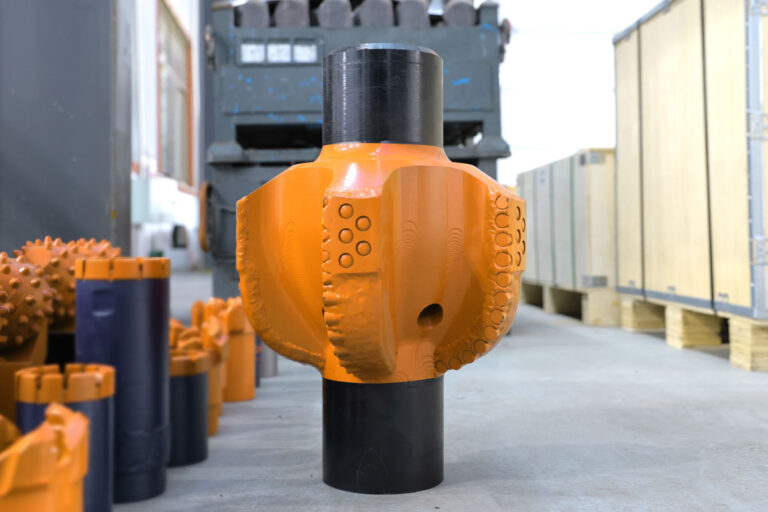
For moderately weathered rock, a bullet teeth core barrel is generally recommended due to its balance of cost and cutting efficiency. It should be equipped with high-quality carbide bullet teeth (such as 30/50/19 mm or 22 mm) to ensure durability and stable performance.
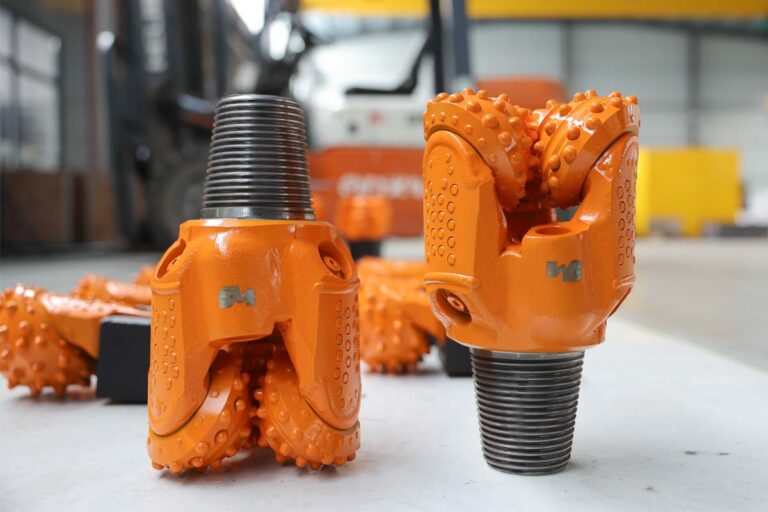
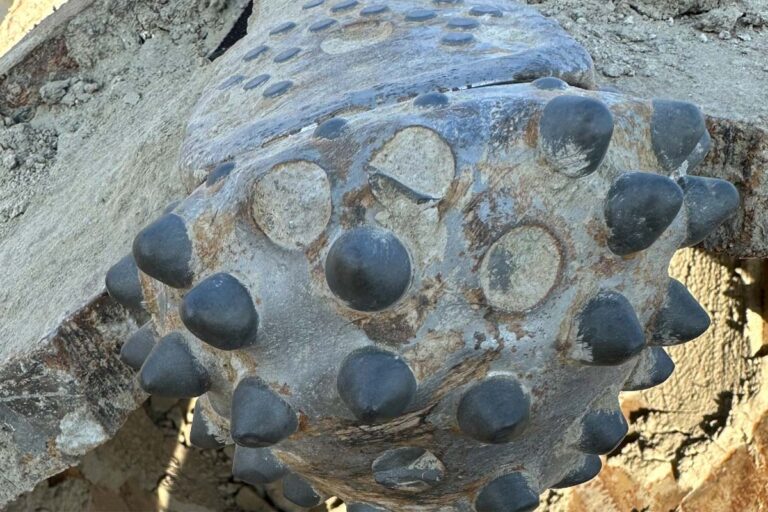
When rock strength approaches or exceeds 60 MPa, it is advisable to switch to an 8.5-inch roller bit rock core barrel, which provides stronger crushing capability and significantly improves penetration in hard formations.
3. Hard Rock
Hard rock formations such as granite or basalt typically exceed 60 MPa in strength. These formations are highly dense and difficult to break, requiring high torque and strong cutting capability.
In this case, a roller bit rock core barrel is the most effective solution. For large diameters, annular cutting is preferred to reduce resistance. If the rock core cannot be extracted, full-face crushing tools or roller crushing methods should be used.
4. Karst & Cavities
Karst formations in limestone are complex and variable, often involving fully weathered, moderately weathered, and slightly weathered rock layers, along with cavities and fissures. For fully weathered limestone, where the formation is loose and unstable, a bullet teeth core barrel rock auger or drilling bucket is recommended, with slurry protection if groundwater is present. In moderately weathered limestone, a bullet teeth rock core barrel provides a good balance between efficiency and stability. When encountering slightly weathered limestone with strength exceeding 60 MPa, it is advisable to use an roller bit rock core barrel to ensure effective rock breaking and higher drilling efficiency.
Core Barrel Selection by Rock Conditions
| Rock Condition | Strength Range | Recommended Tool | Teeth Type | Key Notes |
|---|---|---|---|---|
| Strongly Weathered Rock | 300–800 kPa | bucket / core barrel | bullet teeth | Focus on hole stability, prevent collapse |
| Moderately Weathered Rock | 20–60 MPa | core barrel | bullet teeth | Balance cutting efficiency & stability |
| Hard Rock | 60 MPa | core barrel | roller bit | High efficiency, reduce torque |
| Mixed Ground | Variable | Core Barrel | bullet teeth+roller bit | Adapt to changing layers |
| Karst / Cavities / Limestone | Irregular | bucket / core barrel | bullet teeth | Prevent collapse & tool drop |
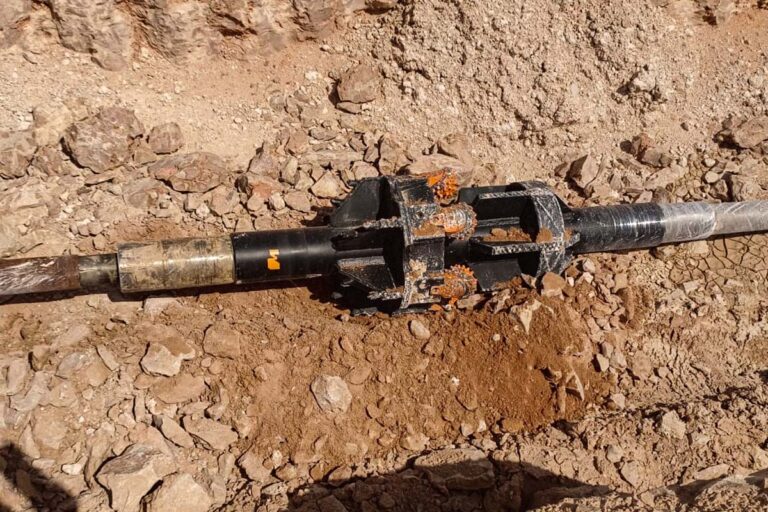
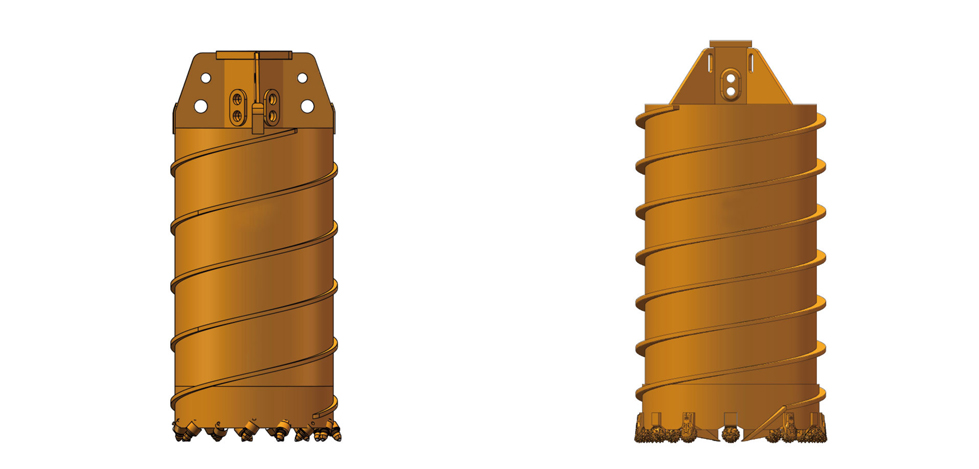
Types of Rock Core Barrel
Key Factors When Choosing a Core Barrel
Rock Hardness (MPa)
The harder the rock, the stronger the tool required
Diameter Requirements
Larger diameter requires stronger structure
Drilling Rig Torque
Tool must match rig capacity
Cutting Structure
Choose between bullet teeth or roller bits
Common Mistakes When Choosing a Rock Core Barrel
- Using soil auger in rock
- Choosing wrong teeth type
- Ignoring drilling rig power
- Selecting incorrect diameter
Expert Tips to Improve Drilling Efficiency
- Use roller bit for hard rock
- Maintain cutting teeth regularly
- Match tool with drilling rig
- Optimize drilling parameters
Still facing drilling problems in hard ground?
Send us your soil condition — we'll recommend the exact bucket solution.
[ What Is a Core Barrel Auger? Complete Guide for Hard Rock Piling ]