Introduction
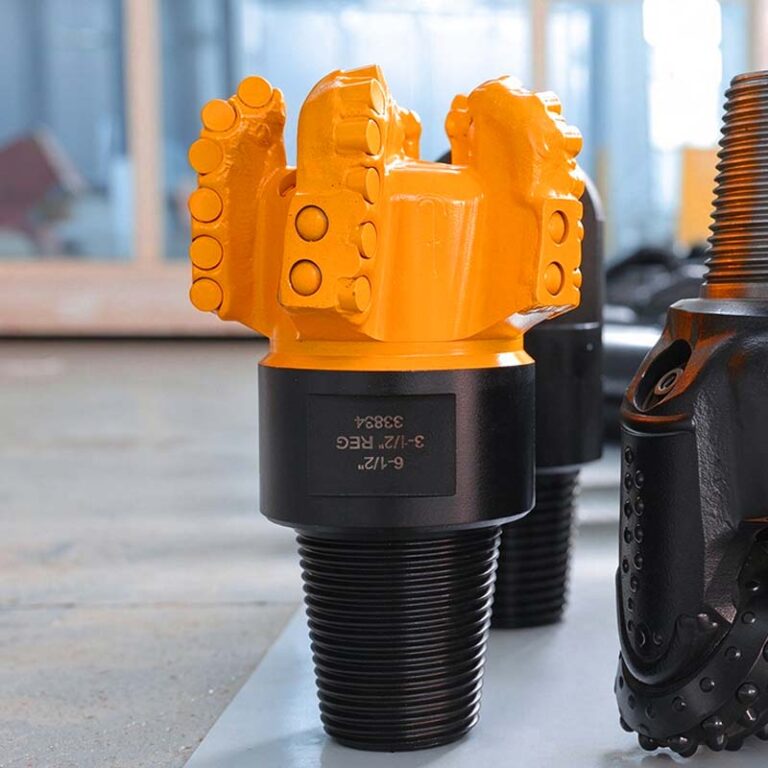
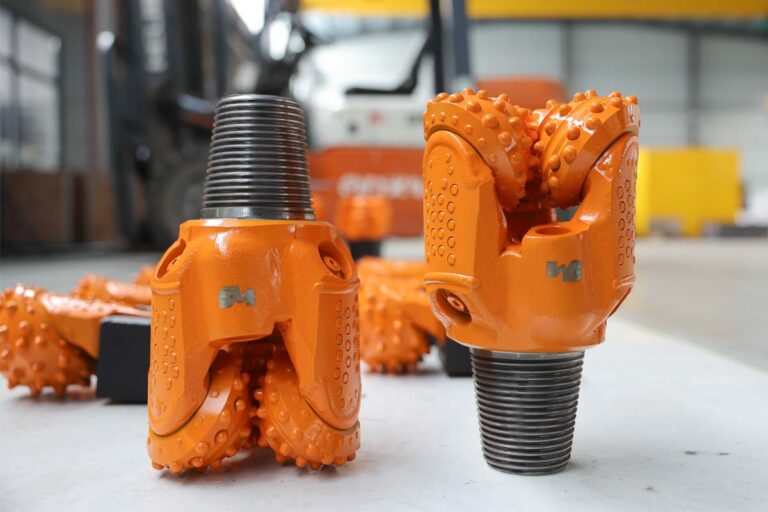
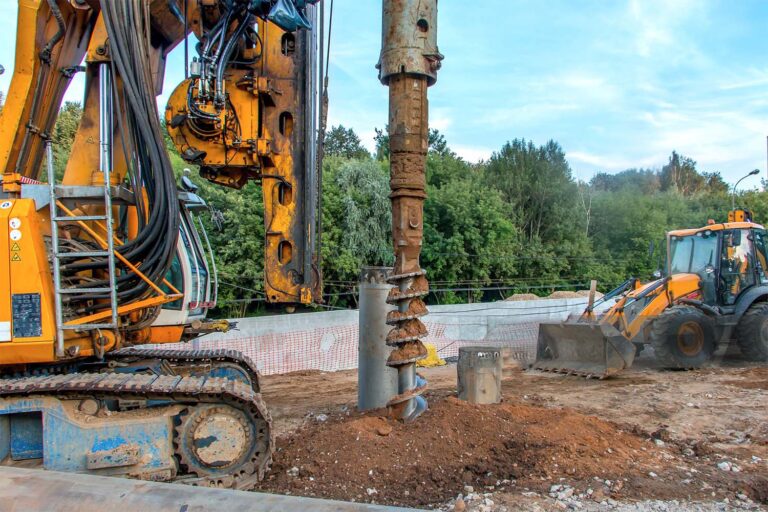
In piling and foundation construction, tool selection directly determines project efficiency, tool wear, and overall cost.
Many contractors face these common problems:
- Slow drilling speed in hard ground
- Frequent tool replacement
- Borehole collapse or blockage
In most cases, the issue is not the rig — it’s choosing the wrong tool.
The two most common tools are:
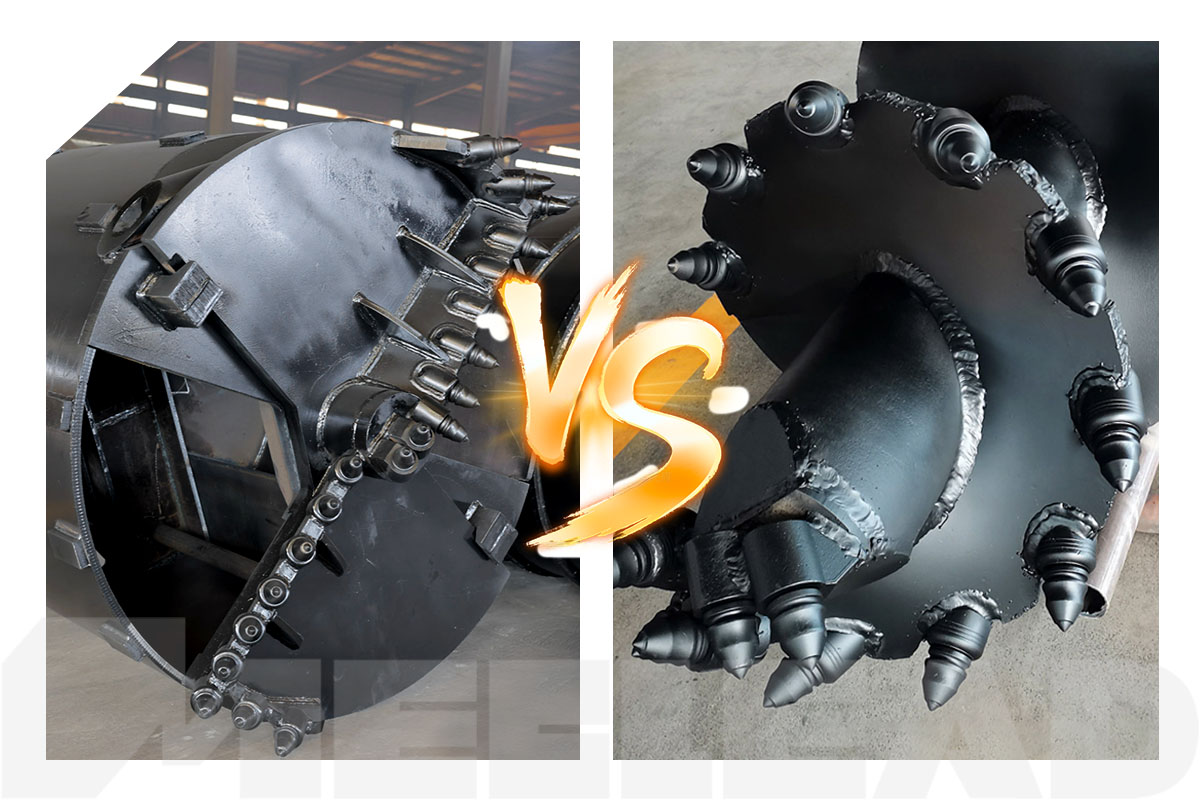
What Is a Rock Drilling Bucket?
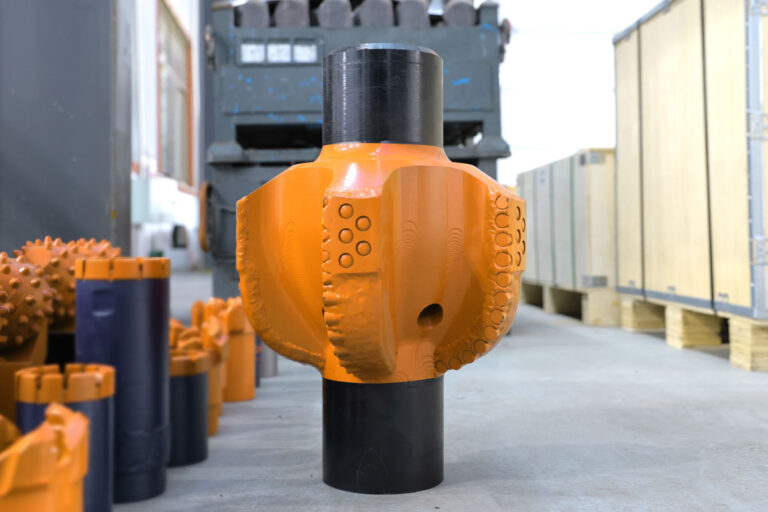
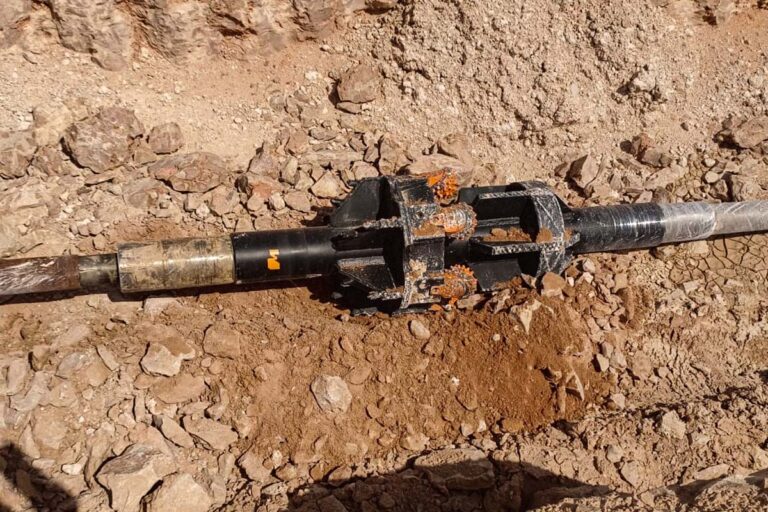
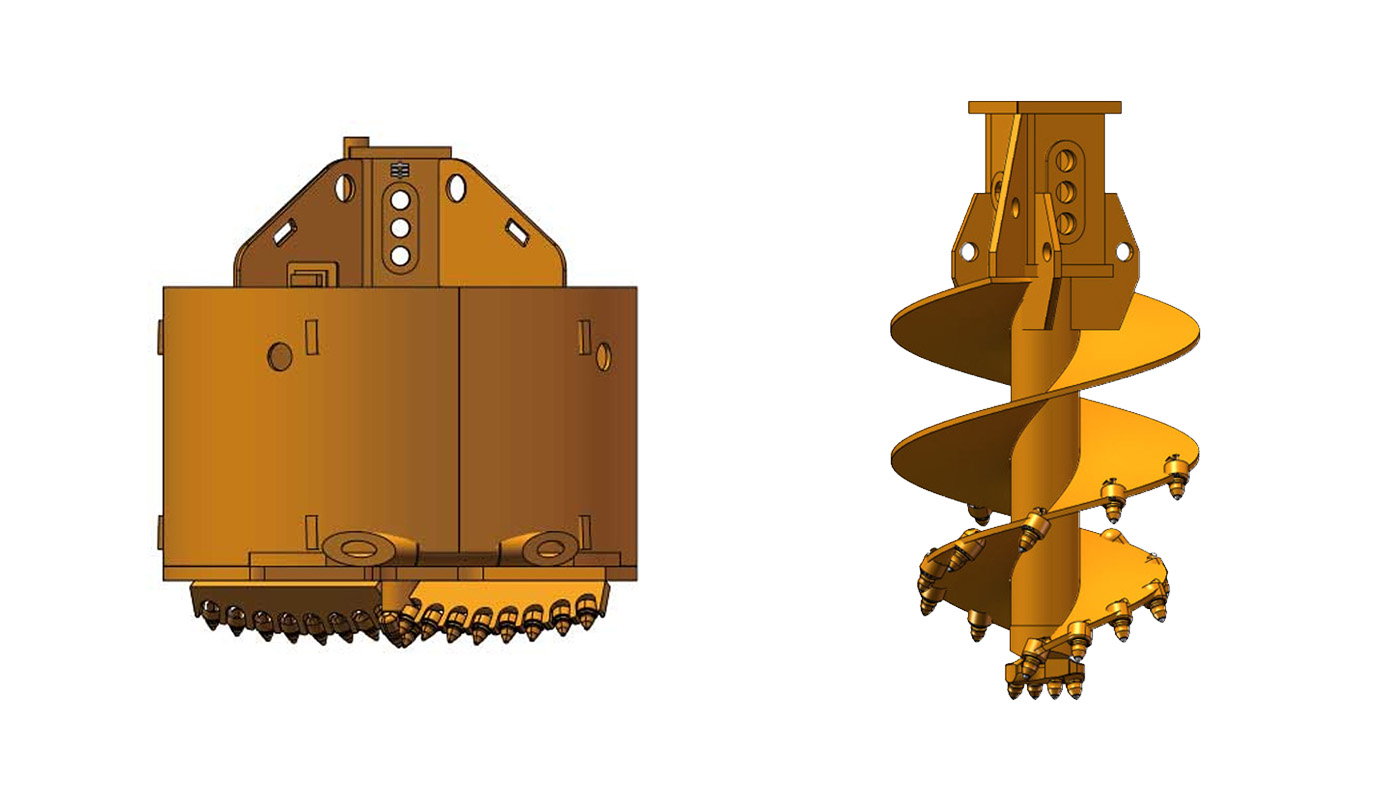
A rock drilling bucket (also known as a foundation bucket) is designed for excavating soil, clay, and fractured rock, while simultaneously collecting material inside the bucket.
Key Features
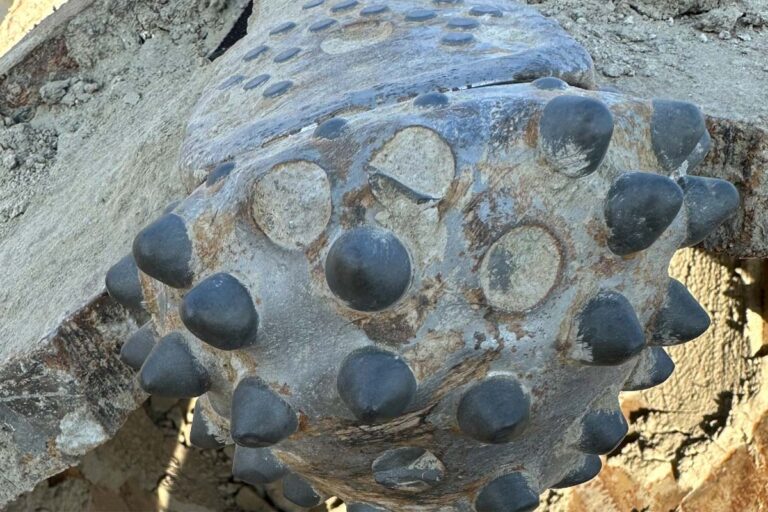
- Equipped with bullet teeth or rock teeth
- Stores cut material inside the bucket
- Suitable for medium to hard formations
Best Applications
- Sand layers with collapse risk
- Fracturate rock
- Non-fracturate rock
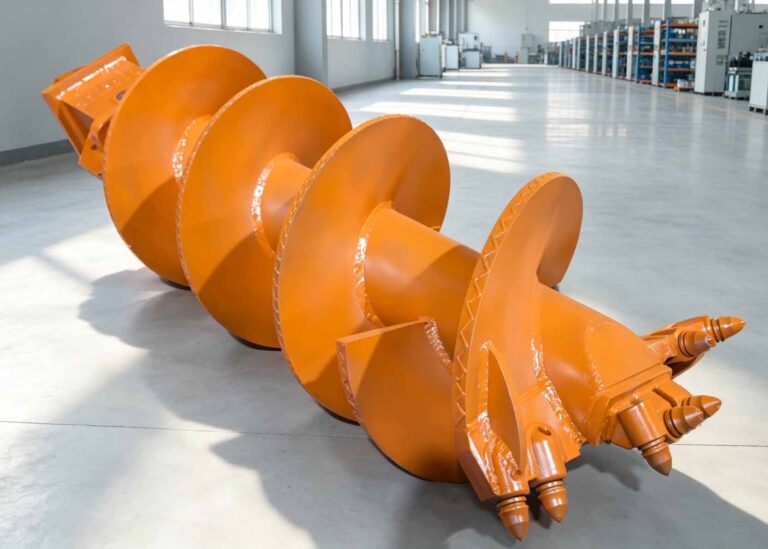
What Is an Auger?
An auger is a helical drilling tool designed to continuously transport soil to the surface during drilling.
Key Features
- Spiral structure for continuous drilling
- High efficiency in soft ground
- Cannot store material
Best Applications
- Soft soil
- Sand
- Gravel
Drilling Bucket vs Auger: Key Differences
| Factor | Rock Drilling Bucket | Auger |
|---|---|---|
| Soil Type | Medium–Hard | Soft–Loose |
| Working Method | Cut + Store | Drill + Convey |
| Efficiency | Stable in hard ground | Fast in soft soil |
| Wear Rate | Lower (if correct teeth) | High in hard ground |
| Borehole Stability | High | Lower |
When to Choose a Rock Drilling Bucket?
You should use a rock drilling bucket when:
- Ground is hard or mixed
- Auger gets stuck or worn quickly
- Borehole stability is critical
Using a foundation bucket with rock teeth can increase drilling efficiency by 30–50% in hard formations.
When to Choose an Auger?
Use an auger when:
- Soil is soft and loose
- High speed is required
- Minimal resistance
How to Maximize Efficiency
- Match tool with soil condition
- Choose correct teeth type
- Optimize drilling parameters
- Use high-quality rock drilling bucket
Conclusion
Both drilling buckets and augers are essential tools in piling operations — but they are not interchangeable.
- Auger = Speed in soft soil
- Rock drilling bucket = Stability & power in hard ground
Still facing drilling problems in hard ground?
Send us your soil condition — we'll recommend the exact bucket solution.
Still not sure which drilling bucket is right for your project?
Choosing the correct bucket drill depends on multiple factors, including soil type, rock hardness, and drilling conditions. Using the wrong rotary drilling bucket can significantly reduce efficiency and increase costs.
Read our complete guide:
[ What Is a Drilling Bucket ? How to Choose the Right Rotary Drilling Bucket for Soil & Rock ]
This guide will help you quickly identify whether you need a soil bucket or a rock bucket based on dirt, sand, silt, clay, gravel, or fractured rock conditions—so you can make the right decision before your next project.