Introduction
In bored pile and foundation drilling projects, contractors often face one common challenge: augers or drilling bucketscannot penetrate hard rock formations efficiently. Drilling becomes extremely slow, tools wear quickly, and project costs increase.
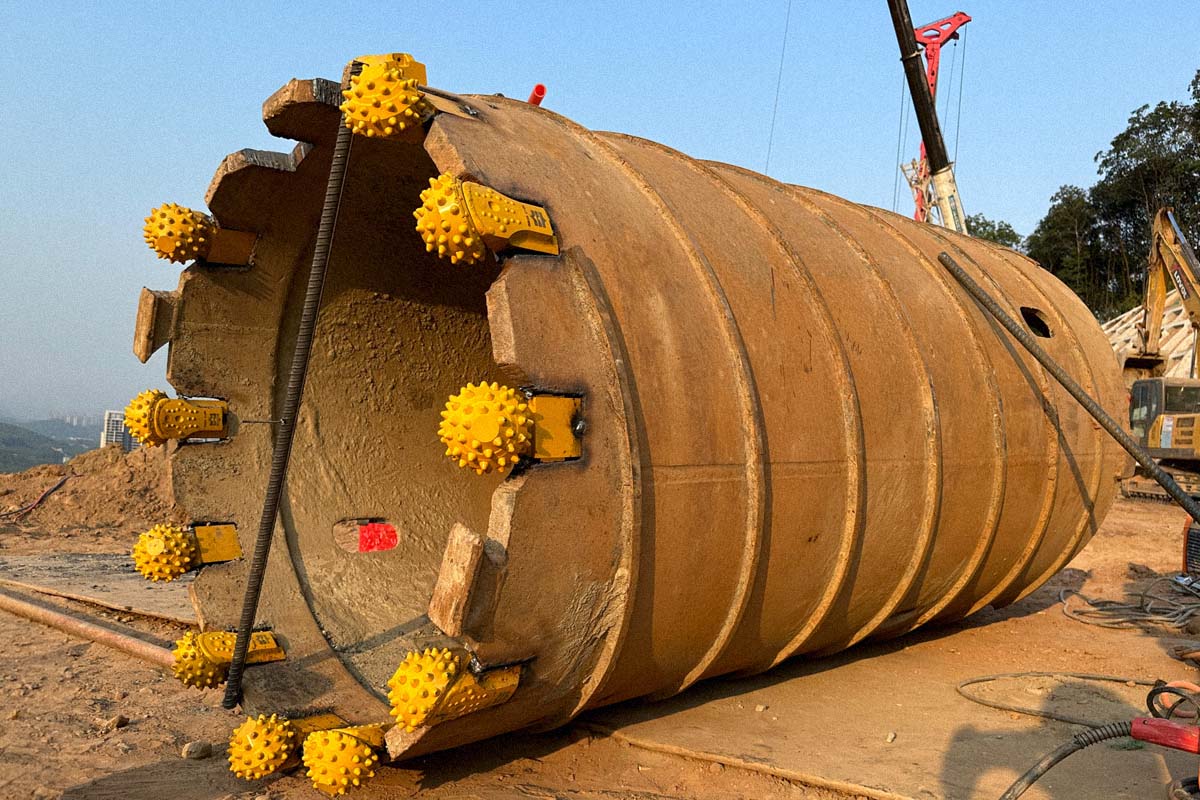
In these conditions, core barrels become the most reliable drilling tool for breaking hard rock layers. A core barrel auger works by cutting an annular ring in the rock, leaving a central core that can be broken and removed, significantly improving drilling efficiency in difficult formations.
What Are Core Drill Barrels?
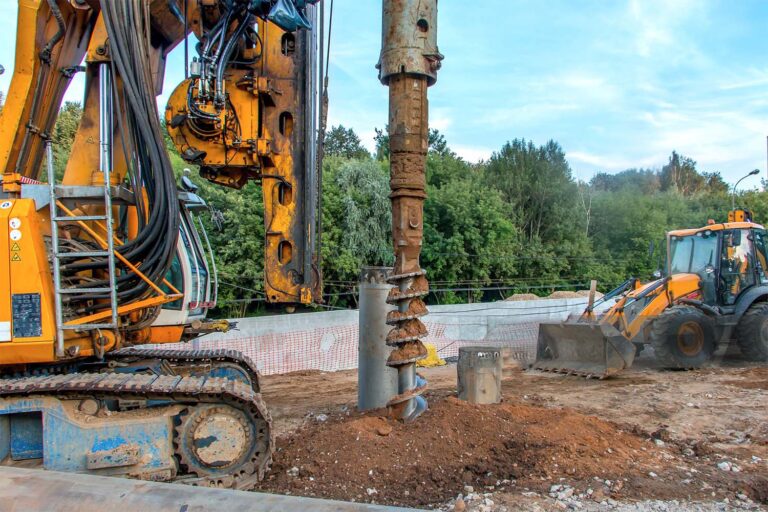
Core drill barrels are specialized drilling tools used in rotary drilling rigs for hard rock piling, deep foundation drilling, and complex geological formations.
Unlike standard augers that cut the entire hole surface, a core barrel auger focuses the cutting force on a ring-shaped edge, which allows the drilling rig to concentrate torque and penetrate hard formations more effectively.
Why Core Drill Barrels Are Essential for Hard Rock Drilling
When drilling through hard rock formations, contractors often encounter these problems:
Common drilling problems:
Augers cannot penetrate hard rock
Drilling buckets wear out quickly
Extremely slow penetration rate (ROP)
High tool replacement cost
Core drill barrels solve these problems by:
Concentrating drilling force on the cutting ring
Increasing penetration efficiency
Reducing tool wear
Maintaining stable drilling in hard formations
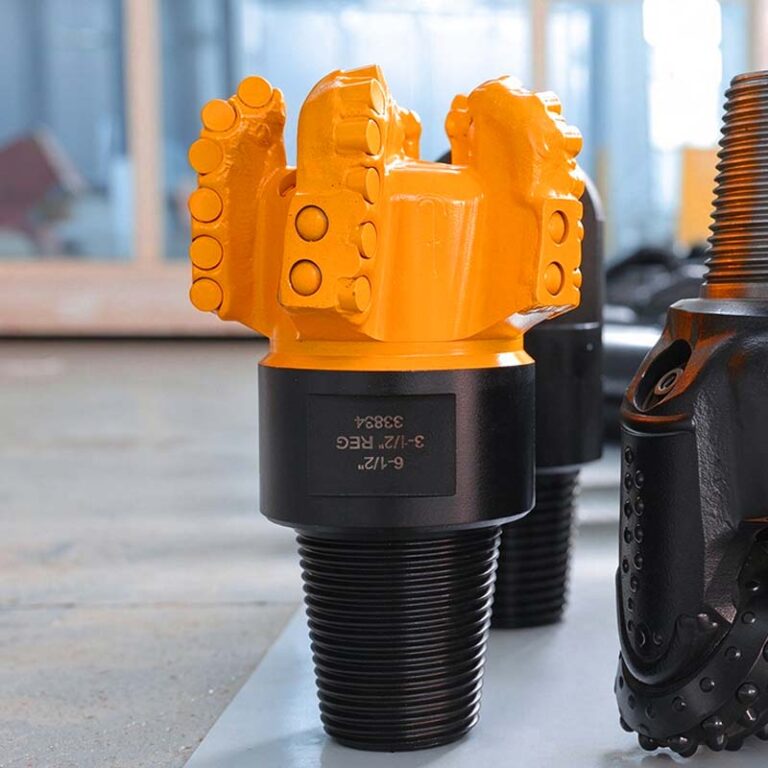
- he arrangement of the bullet teeth is precision-engineered to maximize the breaking force of the rig.
Two Types of Core Barrel Augers
Different geological formations require different core barrel designs. The two most common core drill barrels used in piling construction are:
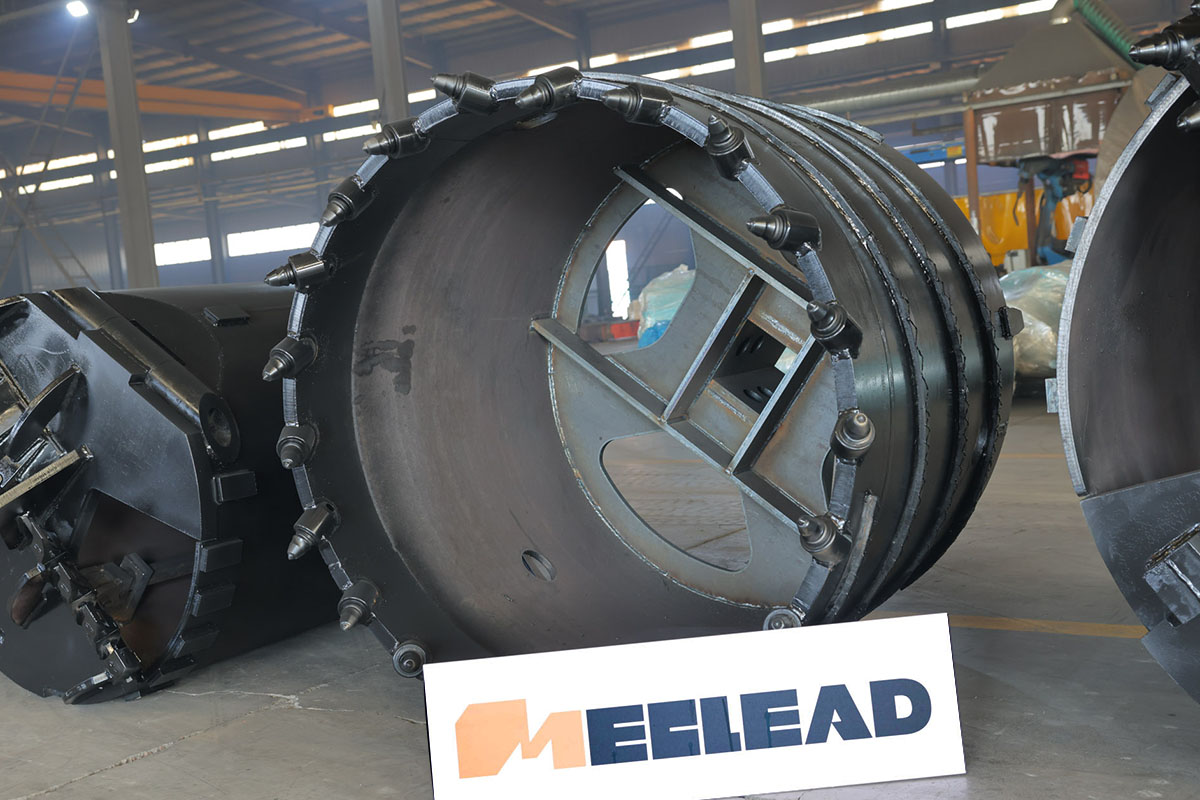
1. Bullet Teeth Core Barrel
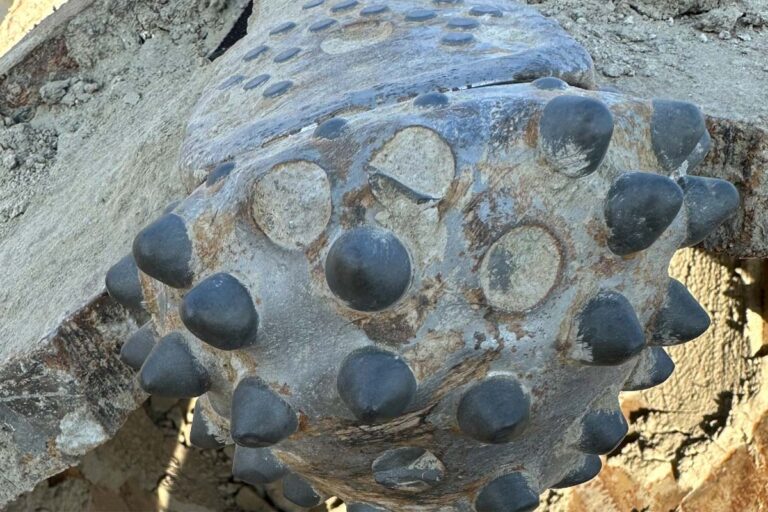
A bullet teeth core barrel uses tungsten carbide bullet teeth installed on the cutting ring. These teeth crush rock through impact and scraping.
Suitable formations:
- Weathered rock
- Medium hard rock
- Gravel layers
- Mixed soil and rock formations
Advantages:
- Strong cutting ability
- Good wear resistance
- Cost-effective for general hard formations
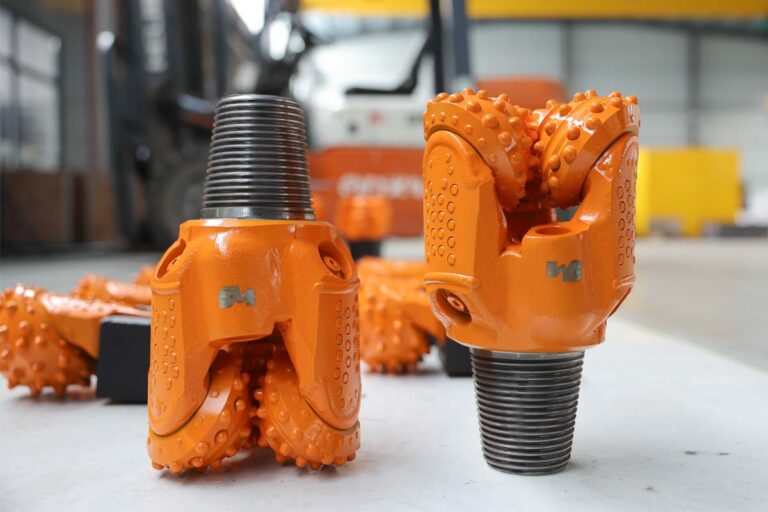
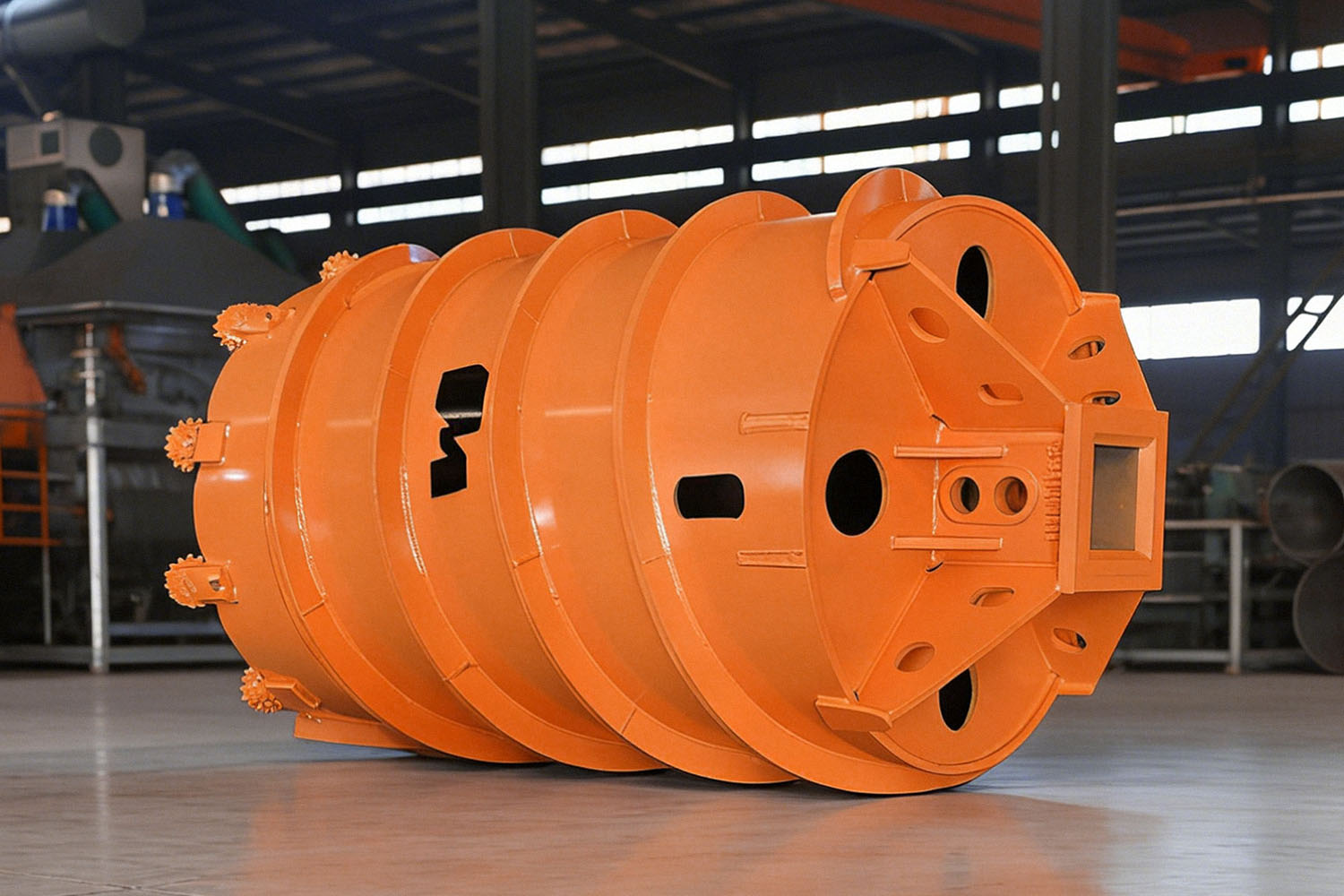
2. Roller Bit Core Barrel
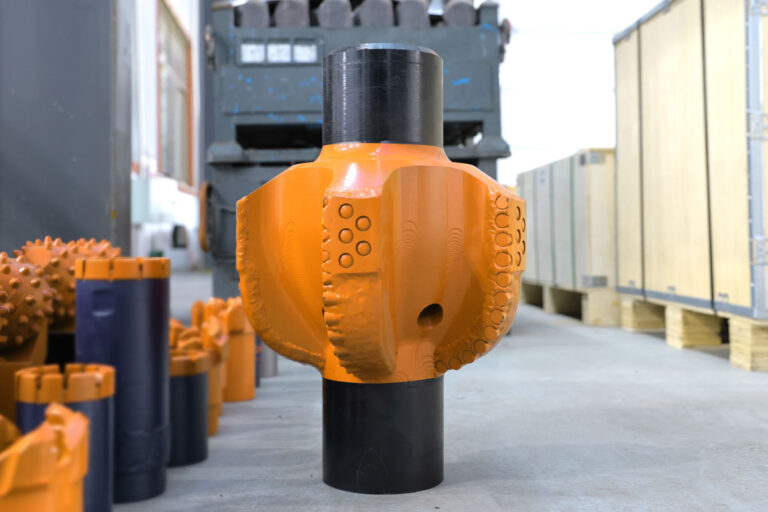
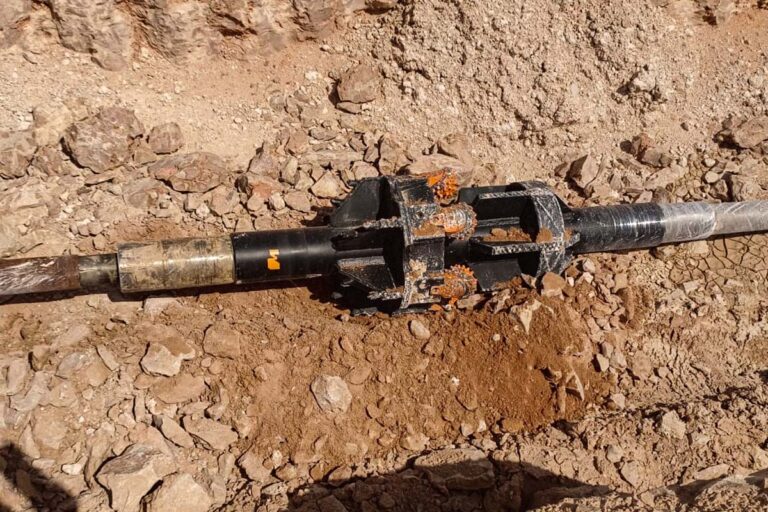
A roller bit core barrel is equipped with roller bits that crush rock through rolling compression. This design is specifically used for extremely hard rock formations.
Suitable formations:
- Hard rock
- Very hard rock
- High compressive strength rock formations
Advantages:
- Extremely strong rock-breaking capability
- Higher penetration rate in hard rock
- Ideal for deep foundation drilling
How to Choose the Right Core Barrel Auger
Selecting the right core drill barrels is essential for achieving efficient drilling performance in hard rock piling projects. If the wrong core barrel auger is used, drilling speed can drop significantly, tools may wear out quickly, and construction costs will increase.
Choosing the correct core barrel requires evaluating several important factors related to the drilling project and geological conditions.
1. Rock Hardness
The compressive strength of the rock formation determines which type of core drill barrels should be selected.
Bullet Teeth Core Barrel
Suitable for weathered rock, fractured rock, gravel layers, and medium-hard formations.Roller Bit Core Barrel
Recommended for very hard rock formations where conventional teeth cannot effectively penetrate the rock.
2. Pile Diameter
The diameter of the core barrel auger should match the pile diameter used in the drilling project. Larger pile diameters require larger barrel bodies and stronger cutting rings to maintain drilling stability.
3. Drilling Rig Torque
Different rotary drilling rigs provide different torque capacities. The selected core drill barrels must match the torque output of the drilling rig to ensure efficient rock penetration.
4. Drilling Depth
For deep foundation drilling projects, stronger barrel structures and reinforced cutting rings are recommended. This ensures that the core barrel auger can withstand heavy loads during deep drilling operations.
5. Geological Conditions
Projects with mixed ground conditions such as soil, gravel, and rock layers require a versatile core barrel auger capable of adapting to changing geological formations.
By selecting the appropriate core drill barrels, contractors can significantly improve drilling efficiency, reduce tool wear, and ensure stable performance in hard rock drilling projects.
Still facing drilling problems in hard ground?
Send us your soil condition — we'll recommend the exact bucket solution.
[ How to Choose the Right Core Barrel for Different Rock Conditions ]