What Is a PDC Drill Bit?
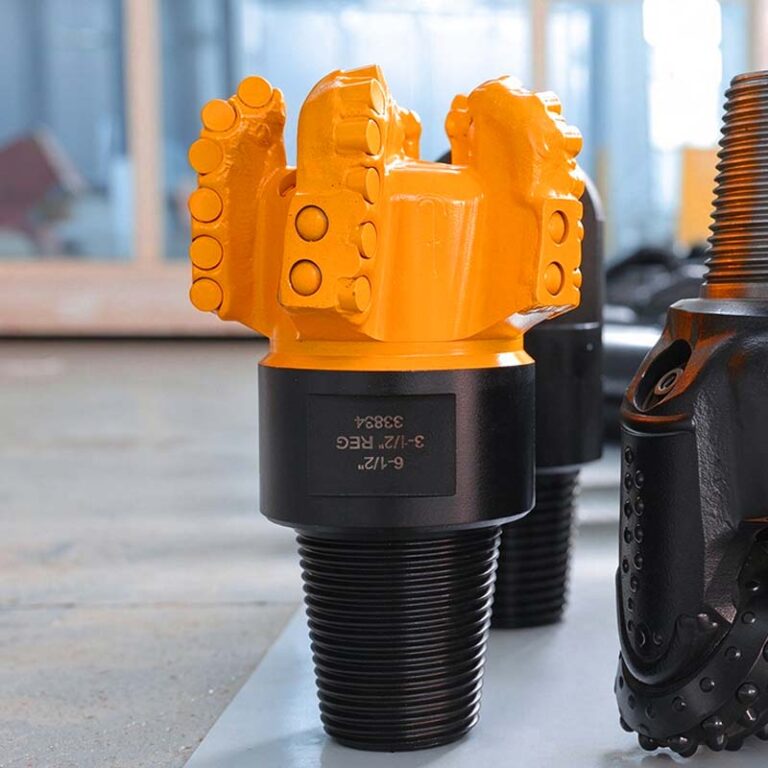
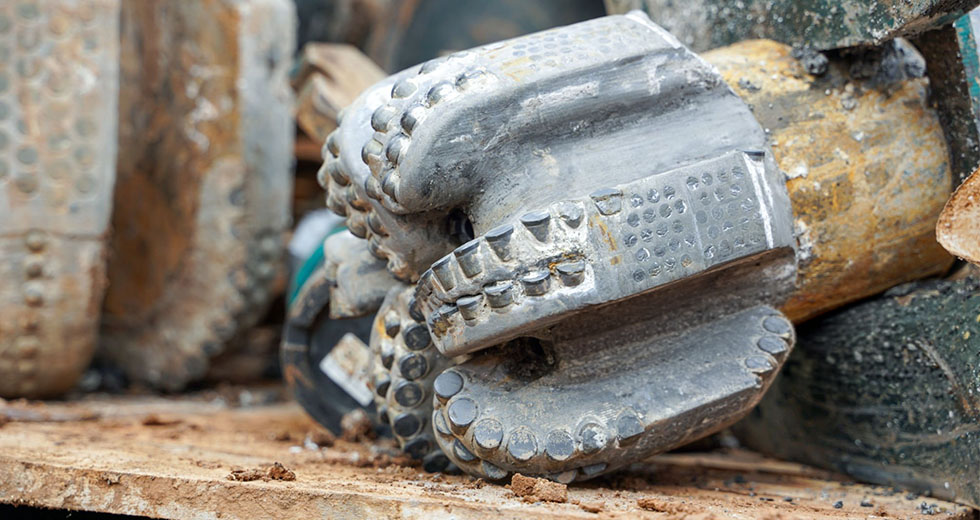
A PDC drill bit, short for Polycrystalline Diamond Compact (PDC) drill bit, uses synthetic diamond cutters to shear rock efficiently. Unlike roller cone bits, it does not crush formations. Instead, it slices through rock layers with continuous cutting action.
As a result, drilling speed increases while vibration decreases. Therefore, contractors prefer PDC drill bits for hard rock and directional drilling projects.
Structure of Polycrystalline Diamond Compact (PDC) Bits
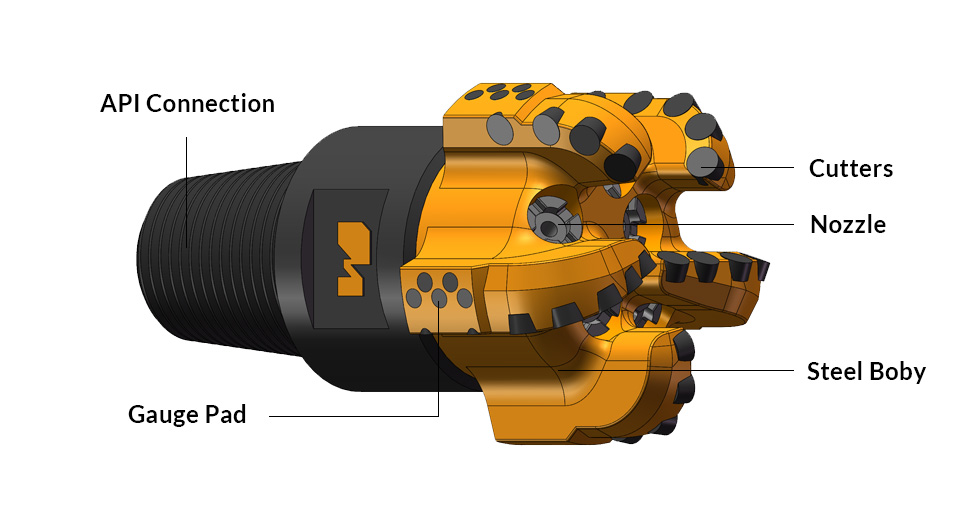
Understanding structure helps you choose the correct configuration:
- PDC Cutters:
Industrial diamond cutters provide extreme wear resistance. In addition, they maintain sharp cutting edges under high temperature.
- Blade Geometry:
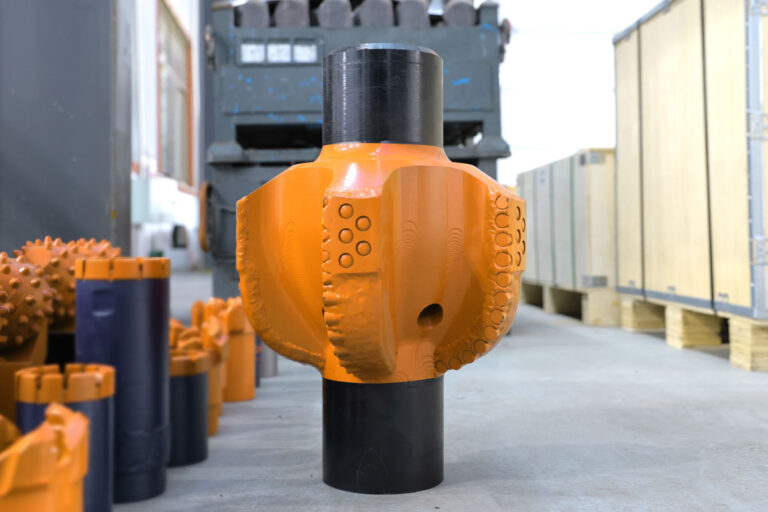
Blade count directly affects stability and torque balance. For example, 3 blades increase speed, while 6 blades improve stability.
- Gauge Protection:
Reinforced gauge pads reduce side wear. Consequently, borehole accuracy improves significantly.
- Bit Body:
Steel body suits impact-heavy drilling. Matrix body performs better in abrasive formations.
The reinforced structure ensures stable performance in demanding piling operations.
Why PDC Drill Bits Perform Better in Hard Rock
First, PDC bits generate continuous shearing force.
Second, they reduce mechanical failure risk.
Moreover, they maintain higher ROP (Rate of Penetration).
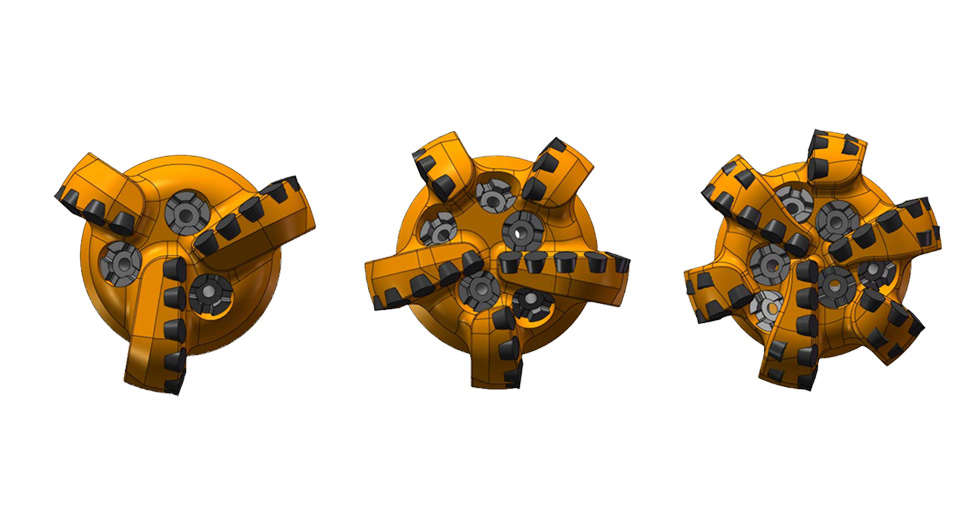
·3 Blades
·5 Blades
·6 Blades
3 Blades PDC Drill Bit – High Penetration Option
A 3 blades PDC drill bit focuses on drilling speed.
However, it suits soft to medium formations better.
Best for:
Shallow HDD
Fast penetration
Lower torque rigs
5 Blades PDC Drill Bit – Balanced Performance
The 5 blades PDC drill bit delivers stability and efficiency simultaneously.
Therefore, many HDD contractors choose this option.
Suitable for:
Mixed formations
Pipeline drilling
Medium to hard rock
6 Blades PDC Drill Bit – Maximum Stability for Hard Rock
A 6 blades PDC drill bit increases contact area.
As a result, vibration reduces dramatically.
It works best in:
Abrasive formations
Deep directional drilling
High torque environments
How Blade Design Affects Vibration and Torque
Blade geometry controls force distribution.
If distribution becomes uneven, vibration increases.
Therefore, selecting correct blade count protects your drill string.
Recommended Drilling Parameters for Hard Rock
For 5–6 blade PDC drill bits:
Lower RPM improves stability
Moderate weight on bit increases efficiency
Stable mud flow prevents overheating
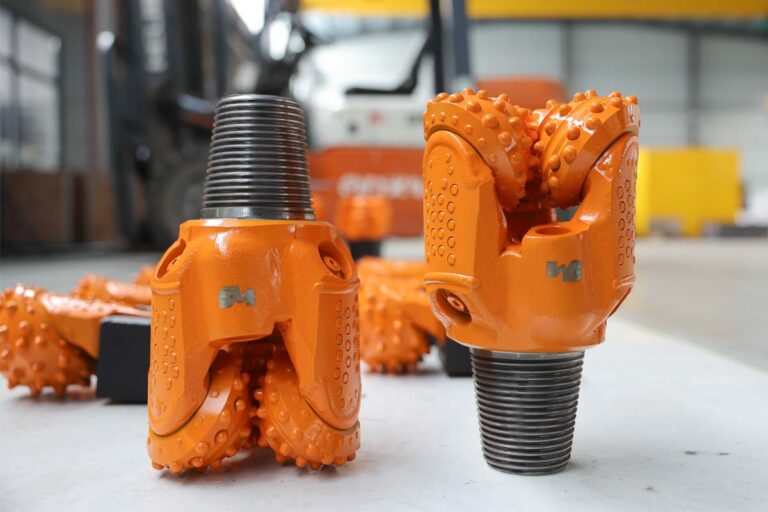
PDC Drill Bit vs Tricone Bit
PDC drill bits provide faster drilling in continuous formations.
However, tricone bits handle fractured rock better.