
Hole Opener vs Reamer: Key Differences in HDD Drilling

In horizontal directional drilling (HDD), selecting the right tool between PDC reamers and hole opener is critical for drilling efficiency, borehole quality, and overall project cost. Although both are used for hole enlargement, they serve different purposes depending on formation conditions.
What is a Hole Opener Drill Bit? Complete Guide for HDD & Rock Drilling
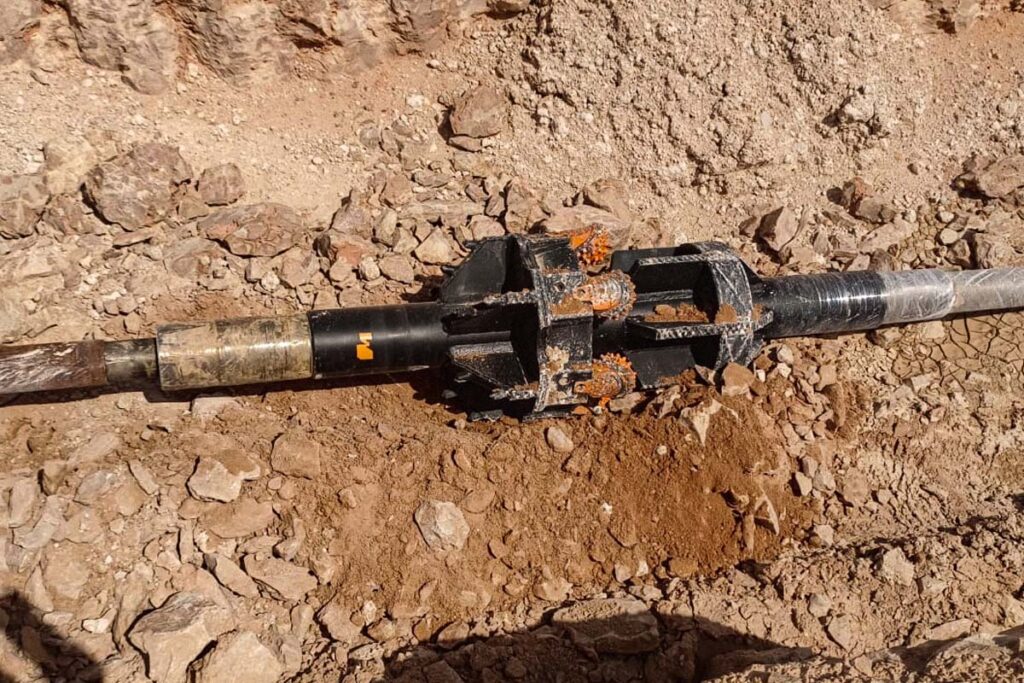
A hole opener is a tool used to enlarge a pilot hole to a larger diameter. It is commonly used in HDD, oil and gas, mining, and hard rock drilling. The right hole opener depends on formation type, bore size, rig capacity, and drilling conditions.
Why Your HDD PDC Bit Performs Poorly: The Impact of Blade Count, Cutter Size & Back Rake
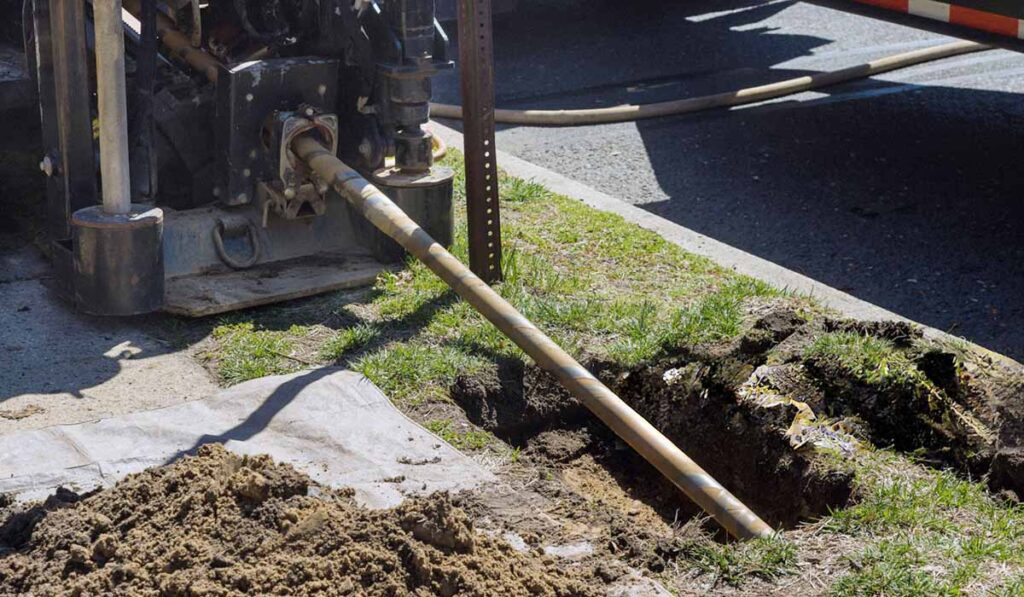
Blade count, cutter size, and back rake are the three key factors that determine HDD PDC bit performance:
More blades = higher stability, lower penetration rate
Larger cutters = higher aggressiveness, faster wear
Greater back rake = stronger durability, lower cutting efficiency
The optimal combination depends on formation hardness and drilling conditions.
PDC Bit vs. Tricone Bit: Matching the Right Bit to Your Geology
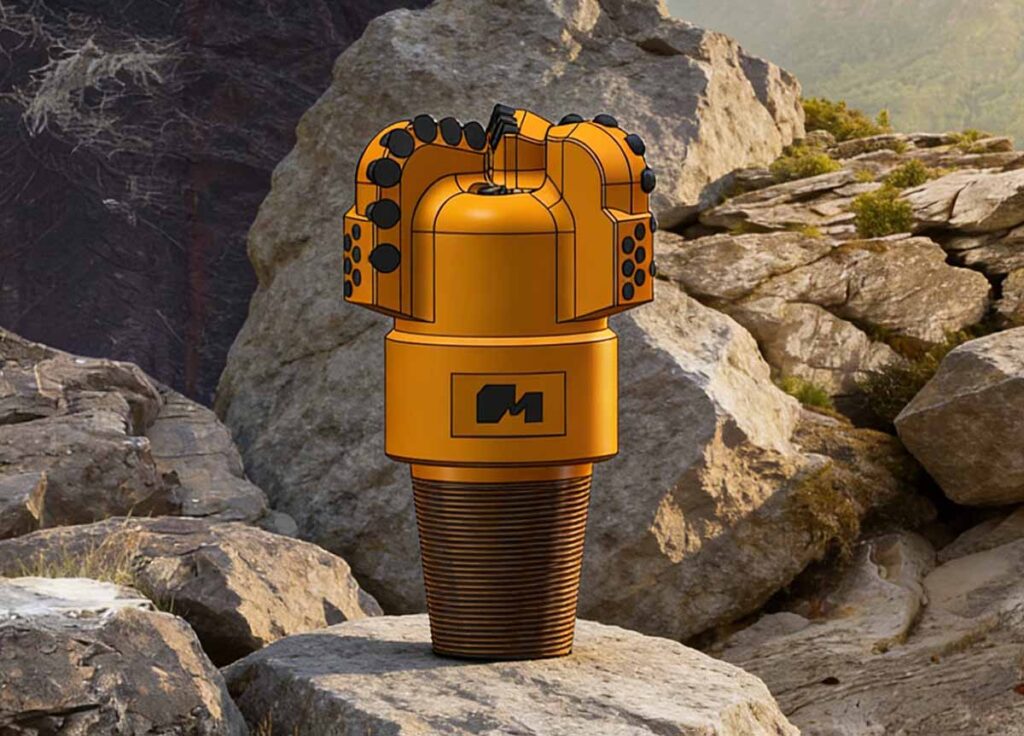
PDC bits and tricone bits differ in cutting method and adaptability. PDC bits offer higher speed and lower failure risk due to no moving parts, while tricone bits perform better in hard rock and variable formations. The best choice depends on matching the bit to your geology.
Why PDC Reamers Are Ideal for Horizontal Directional Drilling
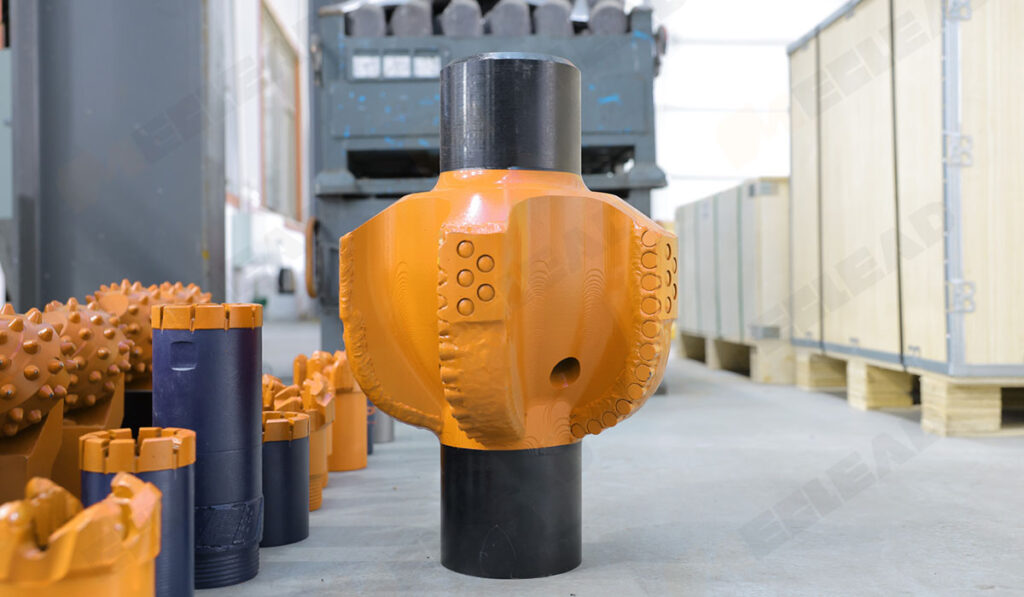
A PDC reamer is a drilling tool used in horizontal directional drilling (HDD) to enlarge pilot holes. Equipped with polycrystalline diamond compact cutters, PDC reamers provide high cutting efficiency, excellent wear resistance, and stable drilling performance in rock and hard ground formations.
PDC Drill Bit for Hard Rock and Directional Drilling – Buyer’s Guide
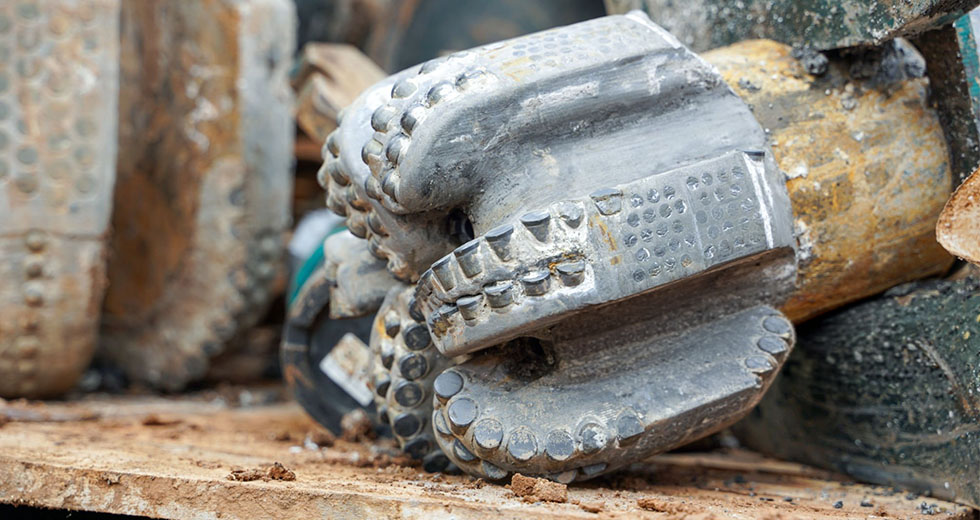
What Is a PDC Drill Bit? A PDC drill bit, short for Polycrystalline Diamond Compact (PDC) drill bit, uses synthetic diamond cutters to shear rock efficiently. Unlike roller cone bits, it does not crush formations. Instead, it slices through rock layers with continuous cutting action. As a result, drilling speed increases while vibration decreases. Therefore, […]
Optimal HDD Hole Opener Selection for Hard Rock and Complex Ground Conditions
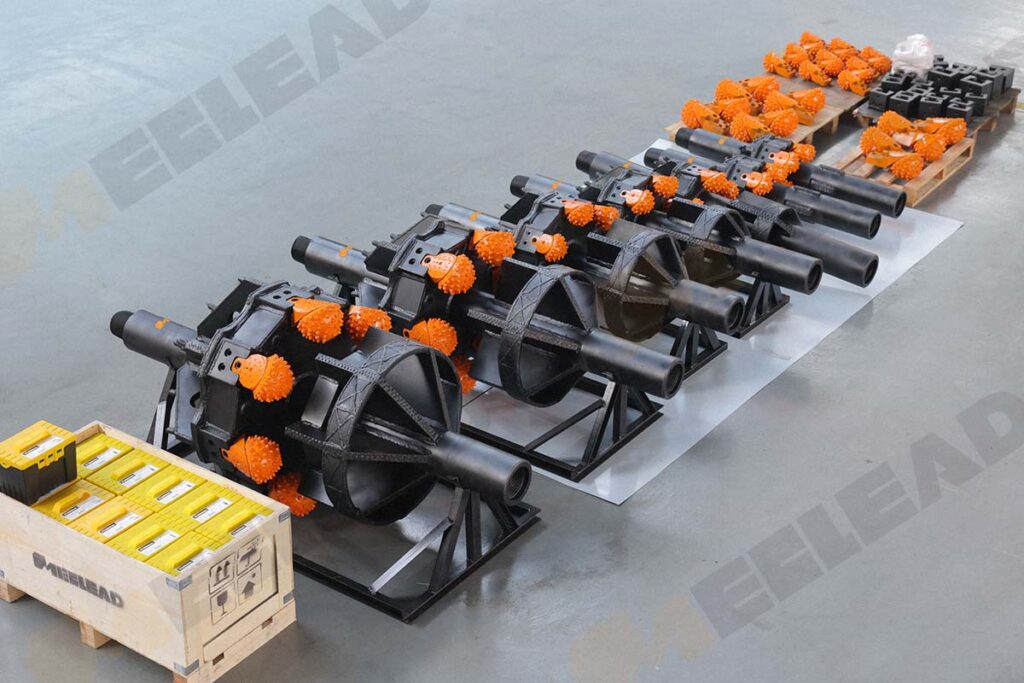
In the world of Horizontal Directional Drilling (HDD), the reaming process is often the most time-consuming and costly phase. Choosing the right tool isn't just about finishing the hole; it’s about protecting your drill rig and ensuring project profitability.