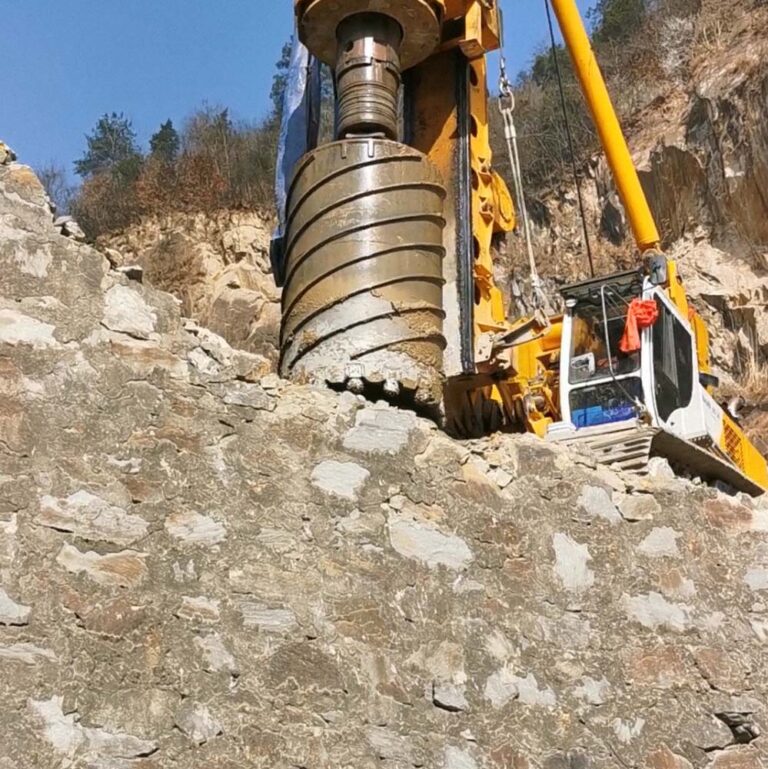
Auger Bullet Teeth
Choosing the right auger bullet teeth is about more than finding a tooth that fits your auger. Ground conditions, carbide size, tooth shape, holder fit, and wear resistance all affect drilling performance and tooth life.
But choosing the right tooth is only half of the job. The quality of the bullet tooth itself also matters. In demanding rotary drilling and foundation piling applications, consistent carbide quality, strong steel bodies, reliable tooth holders, accurate dimensions, and stable production quality can make a significant difference to wear life and drilling performance.
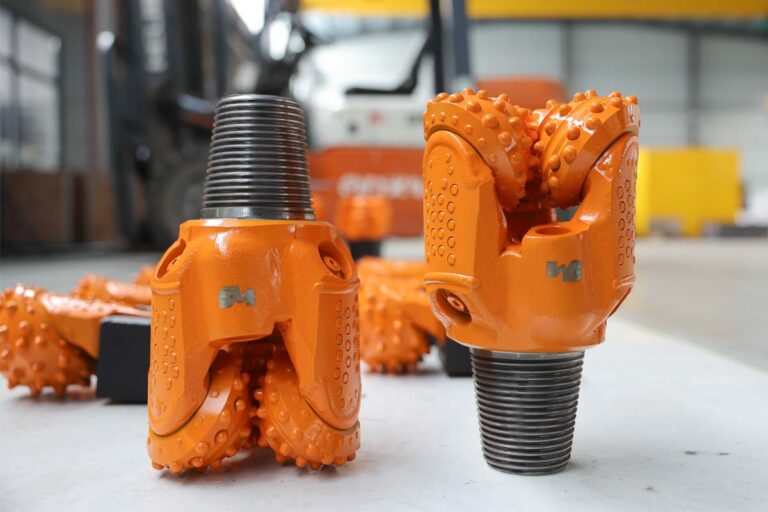
That is where Meclead focuses. Meclead manufactures bullet teeth for different ground conditions and drilling applications. From B47K and C31HD to larger carbide configurations, Meclead focuses on matching the tooth design to the formation, rather than simply offering one standard tooth for every job.
In this guide, we will look at the main types of bullet teeth, where they are used, how to choose bullet teeth for augers, how the holder affects performance, and what to check when replacing worn teeth.
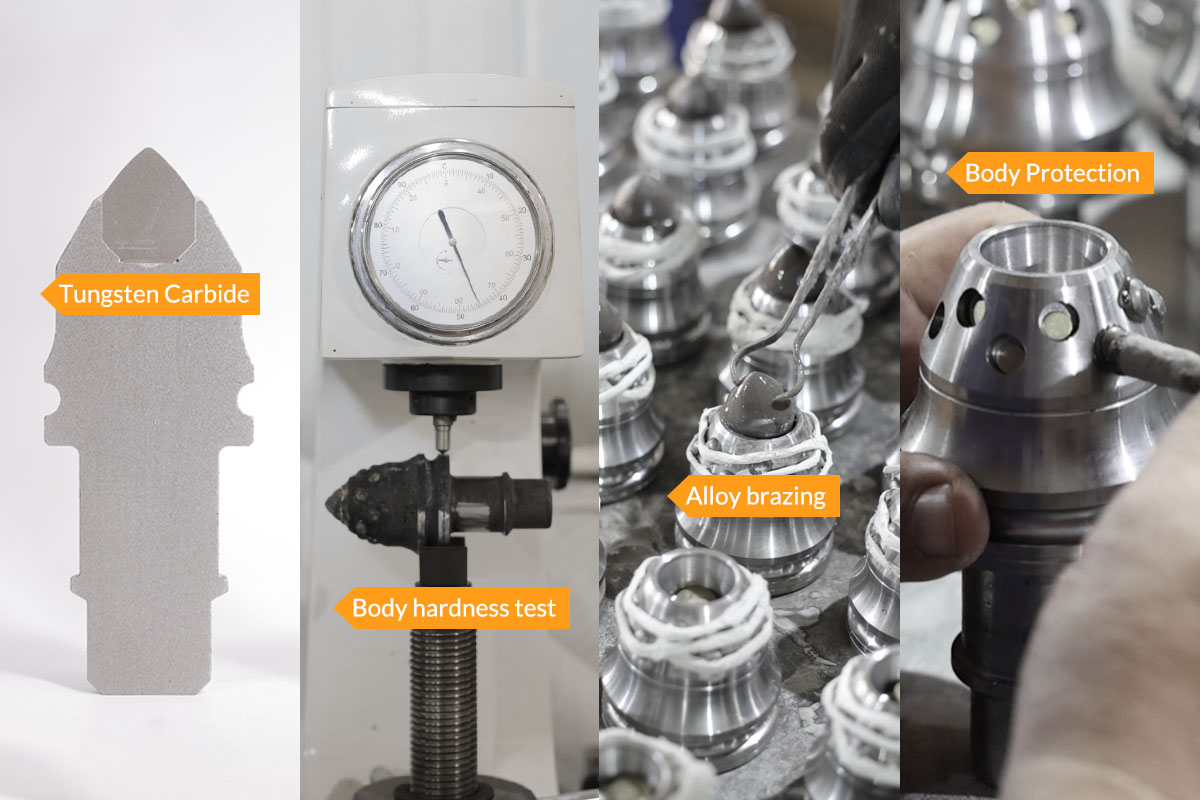
What Makes a High-Quality Carbide Bullet Tooth?
When comparing suppliers, do not judge bullet teeth only by price.Look at the complete manufacturing chain.
Tungsten Carbide: Carbide grade, grain structure, and composition influence wear resistance and impact behavior.
Steel Body: The body needs enough strength and toughness to handle repeated impact and torque.
Brazing and Welding Quality: The carbide must be securely joined to the steel body. Poor joining can result in carbide loss even when the carbide itself is high quality.
Body Protection: For highly abrasive formations, additional body protection can help reduce steel wear.
Dimensional Inspection: Consistent dimensions are important for proper fit between tooth, holder, auger, and retaining components.
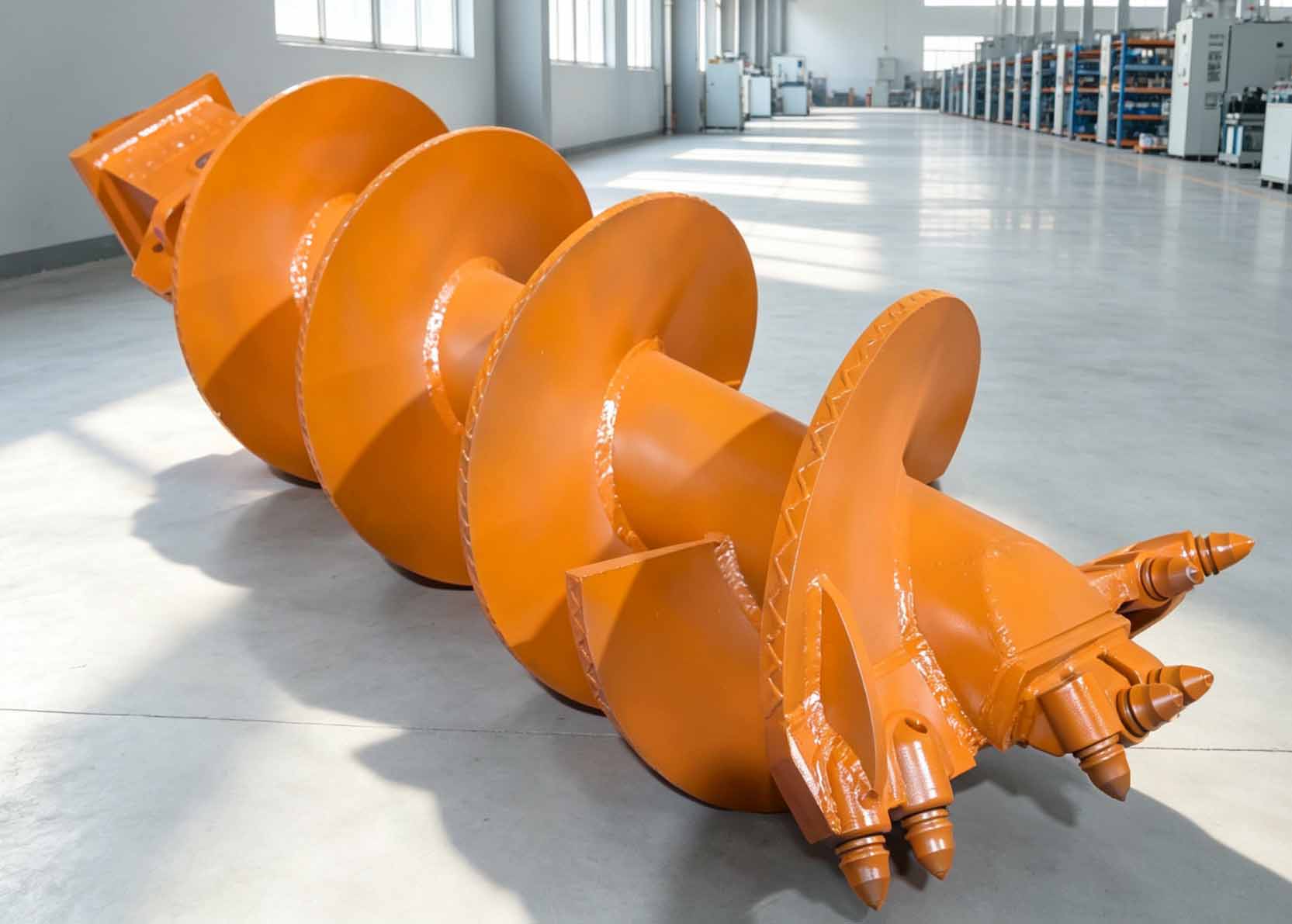
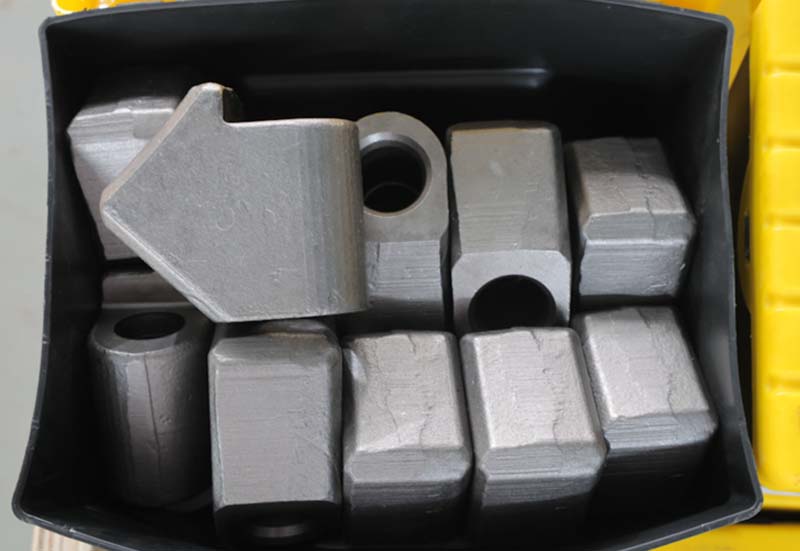
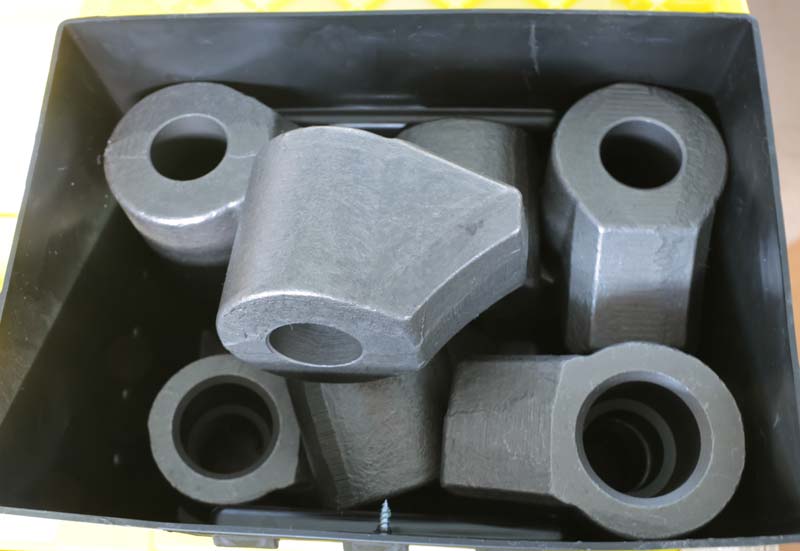
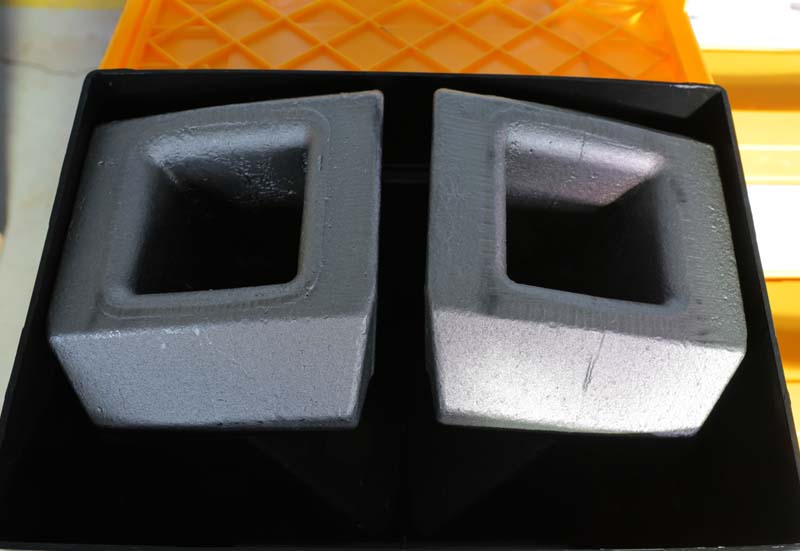
Why Does the Bullet Teeth Holder Matter?
The bullet teeth holder is easy to overlook because the cutting tooth gets most of the attention.
However, the holder controls how securely the tooth is positioned and how drilling forces are transferred into the auger.
A worn or incorrectly matched holder can cause: Tooth movement / Uneven wear / Poor cutting angle / Higher vibration / Premature tooth failure / Difficulty removing the tooth.
Therefore, when ordering replacement bullet teeth for augers, always check the holder model and dimensions together.
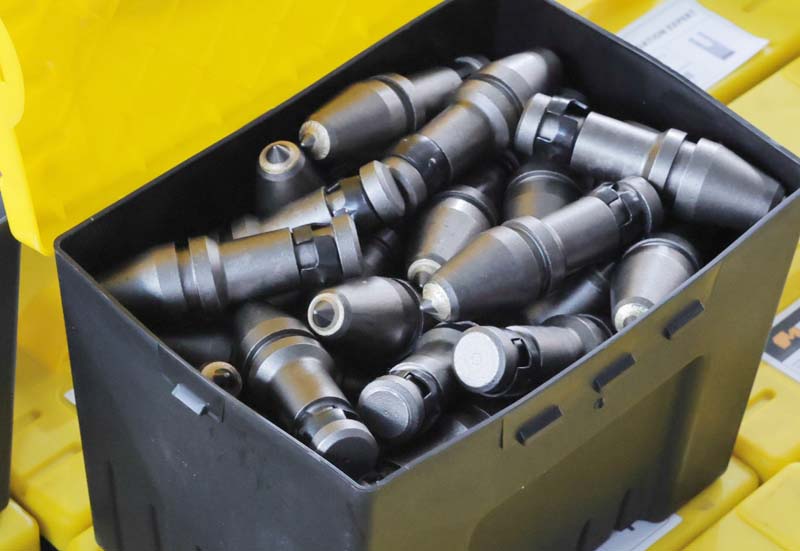
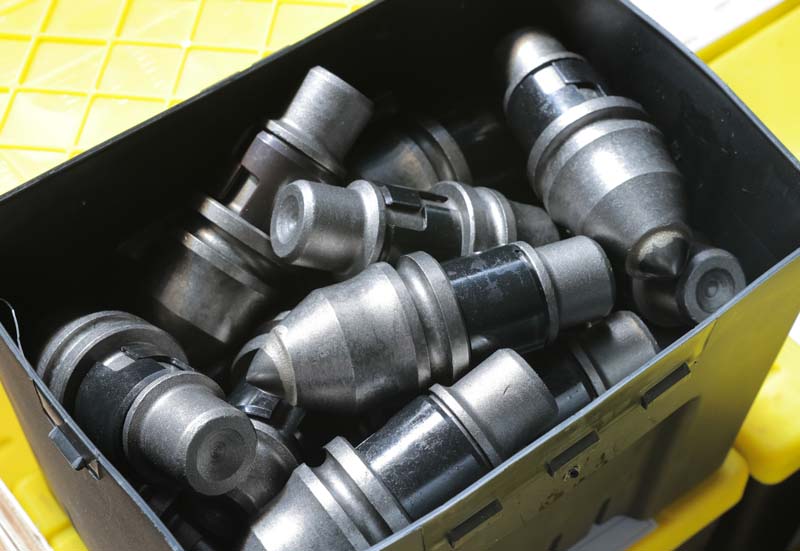
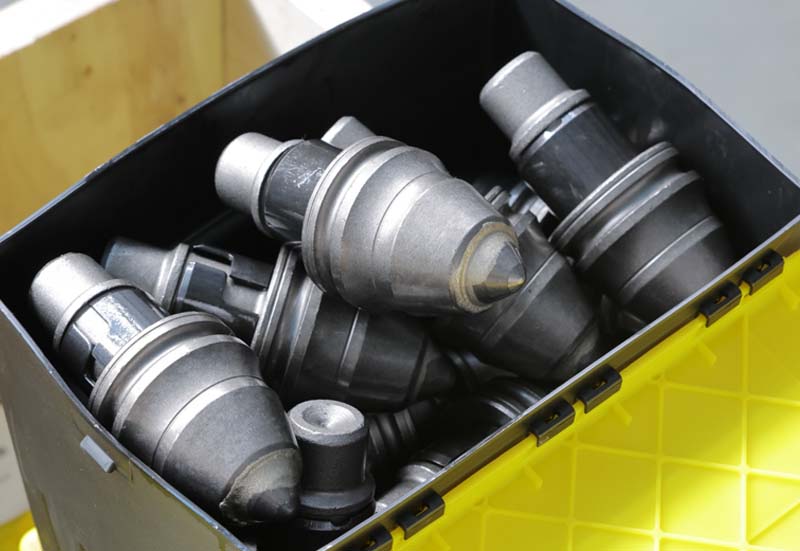
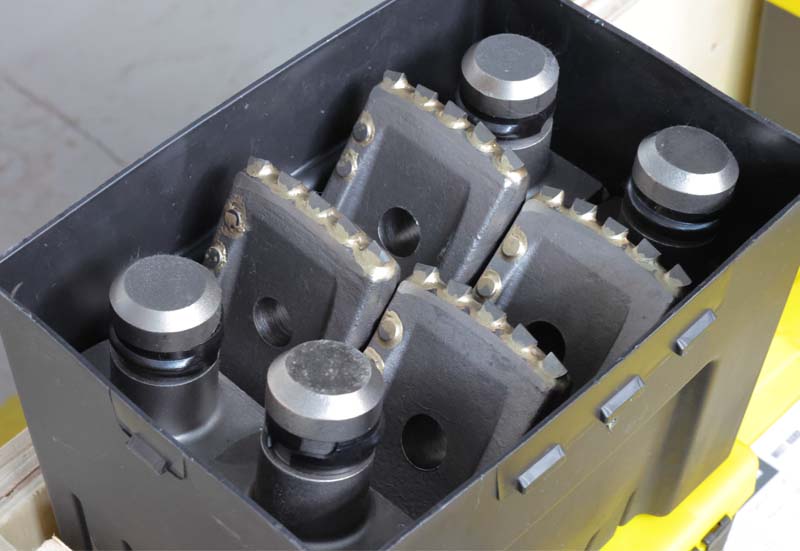
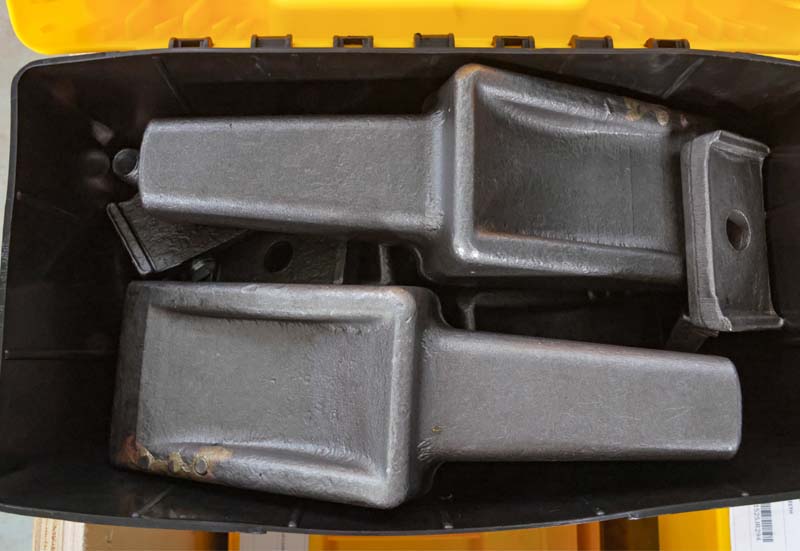
Common Auger Bullet Teeth Types
| Bullet Teeth Type | Typical Application | Key Consideration |
|---|---|---|
| C31HD Bullet Teeth | Auger,Bucket | Gravel & Heavy rock |
| C30 Holder | / | Matches C31HD series |
| B47K22H Bullet Teeth | Auger,Bucket,Core Barrel | Heavy rock & Non-Fracturate rock |
| B43 Holder | / | Matches B47K series |
| M60-26x32 Bullet Teeth | Auger,Bucket,Core Barrel | Heavy rock & Non-Fracturate rock |
| BFZ72 Bauer Teeth | Auger,Bucket | clay & Gravel |
| BFZ72 Holder | / | Matches BFZ72 series |
| BFZ80 Bauer Teeth | Auger,Bucket | clay & Gravel & Heavy rock |
| BHR73 Holder | / | Matches BFZ80 series |
The correct model should always be selected according to the actual formation rather than simply choosing the largest carbide tip.
How to Choose Auger Bullet Teeth by Ground Condition
Soft Soil and Clay: For soft soil and clay, the priority is usually efficient penetration and smooth material removal.For these applications, tooth geometry, cutting angle, and tooth spacing can be more important than simply increasing carbide size.
Gravel and Abrasive Ground: Sand and gravel can create continuous abrasion. Even when the formation is not extremely hard, the cutting parts may wear quickly.For abrasive ground, consider:
a.) Wear-resistant carbide
b.) Strong steel body protection
c.) Suitable tooth spacing
d.) Stable holder fit
e.) Easy replacement
Weathered Rock: Weathered rock can change rapidly within the same borehole. Some sections may be relatively soft while others contain harder fragments.This is where a balanced carbide bullet teeth design can be useful.
Limestone, Sandstone and Similar Rock: Rock type alone does not determine the correct tooth.Weathering degree, abrasiveness, fractures, moisture, and the presence of gravel or cobbles can all change drilling behavior.For moderately hard formations, B47K-style and other reinforced carbide configurations can be considered according to the actual drilling conditions.
Carbide Size: Is Bigger Always Better?
Not necessarily.
A larger tungsten carbide insert can provide more cutting material and may be useful in demanding ground. However, carbide diameter and height must work with the tooth body, holder, drilling method, and formation.
When comparing carbide bullet teeth, look at: Carbide diameter / Carbide height / Carbide grade / Tooth nose shape / Steel body thickness / Body protection / Holder compatibility / Drilling conditions
How to Tell When Auger Bullet Teeth Need Replacement
There is no universal replacement interval because tooth life depends heavily on formation and drilling conditions.Inspect the teeth when you notice:
Visible Carbide Wear: The carbide tip becomes significantly smaller, flattened, cracked, or missing.
Steel Body Wear: The steel around the carbide becomes heavily worn and no longer provides sufficient support.
Slower Penetration: The machine requires more time to reach the same drilling depth.
Increased Vibration: Uneven tooth wear or damaged teeth can change the cutting balance of the auger.
Loose Teeth: A tooth that moves inside its holder should be inspected immediately.
How to Extend Bullet Teeth Service Life
Good tooth life depends on more than carbide quality.
Match the Tooth to the Ground: Using an unsuitable tooth in abrasive rock or mixed ground can reduce drilling efficiency and accelerate wear.
Check the Holder Regularly: A worn holder can prevent a new tooth from sitting correctly.
Keep Tooth Installation Consistent: Use the correct retaining system and make sure every tooth is properly seated.
Watch the Tooth Arrangement: Uneven tooth spacing can concentrate load on individual teeth.
Inspect During Drilling: Regular inspection can identify abnormal wear before it becomes a larger problem.
FAQ
What are auger bullet teeth used for?
How do I choose bullet teeth for augers?
Can I use a different holder with my bullet teeth?
Need help choosing the right auger bullet teeth?
Send us your soil condition — we'll recommend the exact bullet teeth solution.