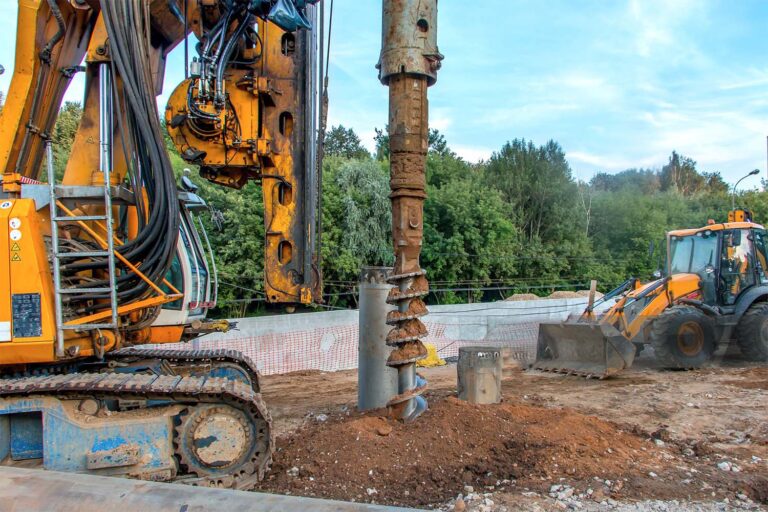
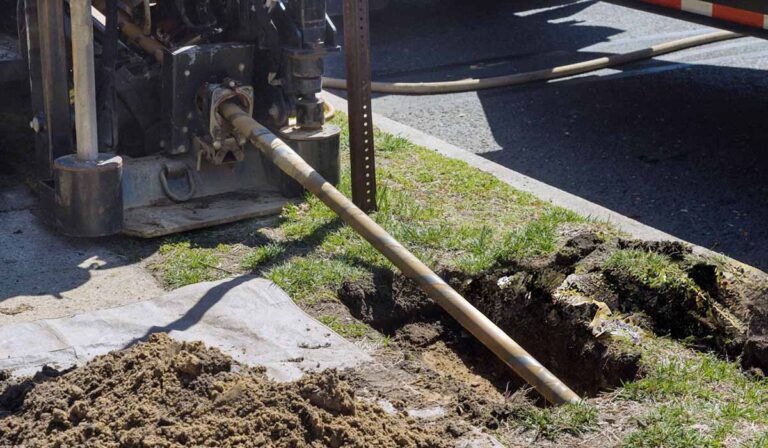
PDC bits are no longer limited to oilfield drilling. Today, they are also used in HDD, water well drilling, and mining, where drilling efficiency and tool performance can make a real difference. But switching from a roller-cone bit to a PDC drill bit is not just about changing tools. Each design behaves differently in the ground, and the problems you face can change, too. Instead of dealing with cone wear or bearing failure, you may need to watch for cutter chipping, bit balling, or vibration caused by unsuitable drilling conditions.
So, how do you choose the right PDC bit for your formation? And what should you check when drilling speed drops or cutters wear out too soon? This guide covers how PDC bits work, what to consider before choosing one, and how to avoid common drilling problems in the field.
Why Does PDC Bit Selection Matter More Than You Think?
When a drilling project falls behind schedule, the drill bit is not always the only problem. However, choosing the wrong bit can make existing problems much worse.
For example, a PDC bit designed for relatively consistent formations may struggle in highly fractured rock or gravel containing hard, abrasive particles. The result can be faster cutter wear, unstable drilling performance, or unexpected tool replacement.
On the other hand, a properly matched PDC drill bit can cut suitable formations efficiently while reducing unnecessary interruptions.
Here is what matters most:
- Penetration rate: The right cutting structure helps remove rock efficiently and maintain steady progress.
- Cutter durability: Suitable cutter design and protection help reduce premature damage under demanding conditions.
- Equipment compatibility: The bit must match the available torque, rotary speed, connection, and flushing system.
Overall drilling cost: Fewer tool changes and less downtime can make a meaningful difference to project profitability.
How Do PDC Bits Work, and Why Can They Drill So Efficiently?
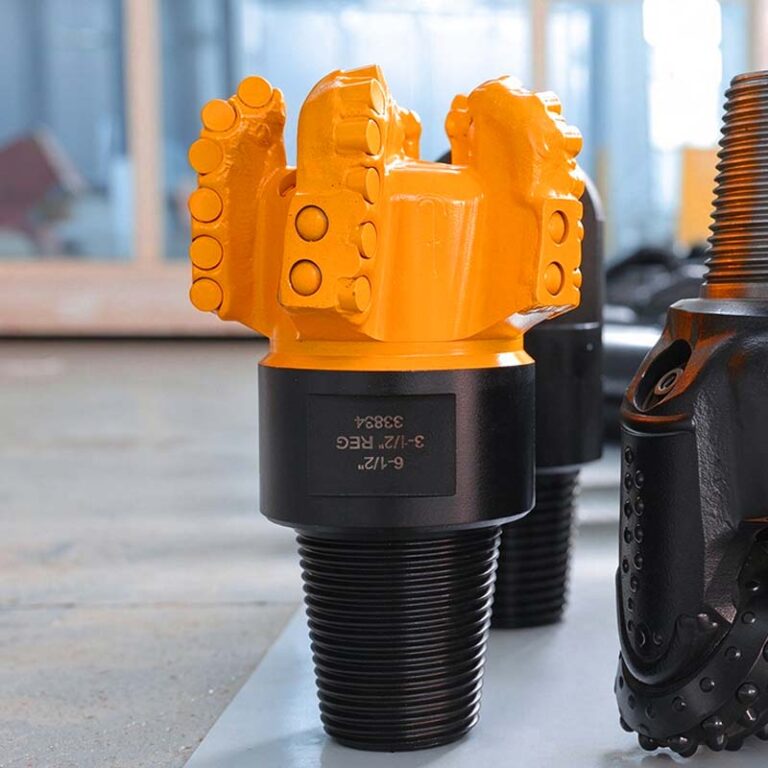
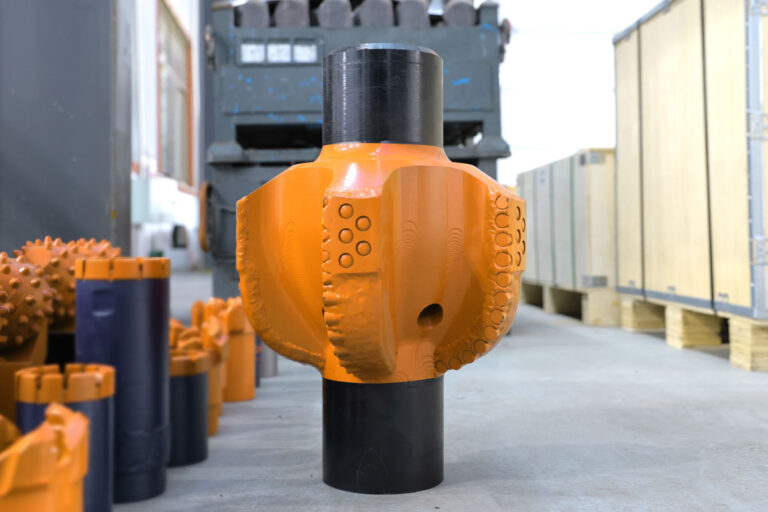
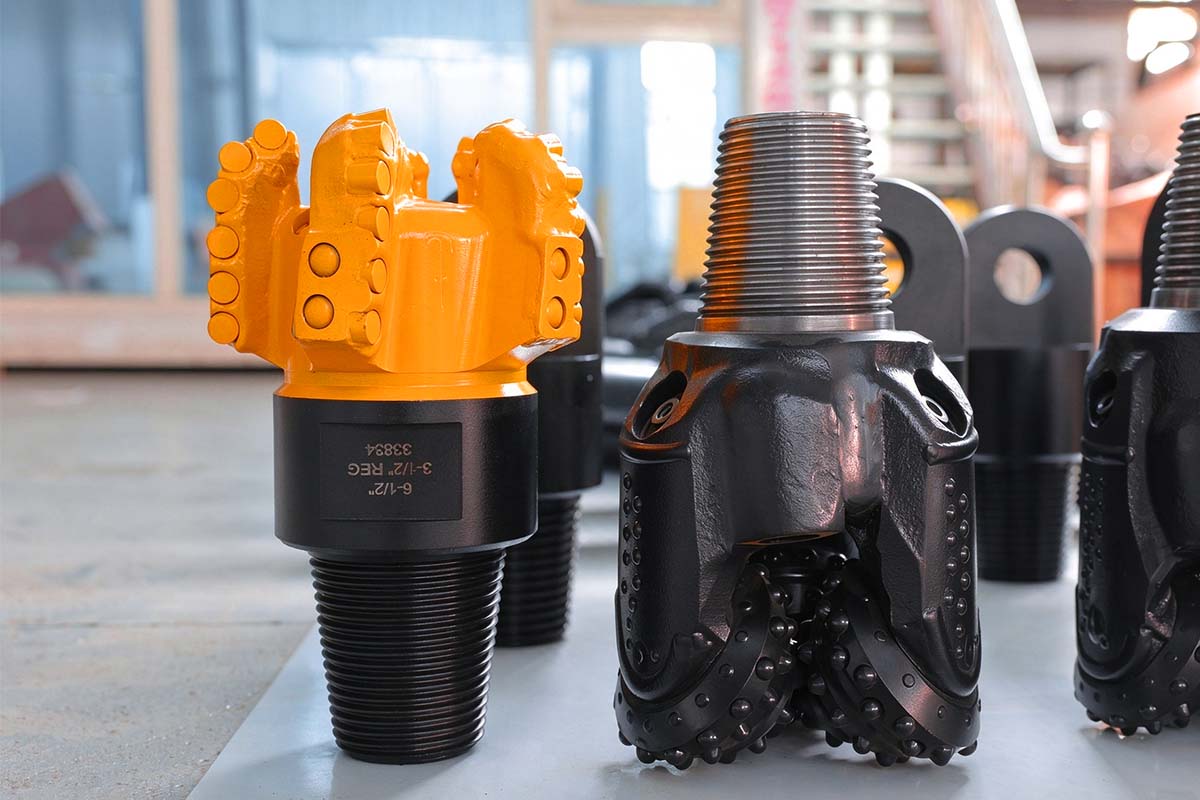
PDC bit for polycrystalline diamond compact. Polycrystalline diamond compact drill bits use fixed cutting elements that shear rock as the bit rotates.
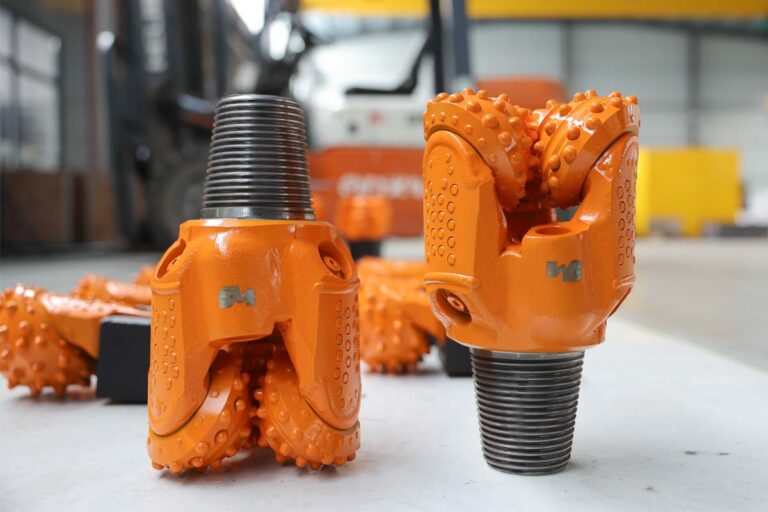
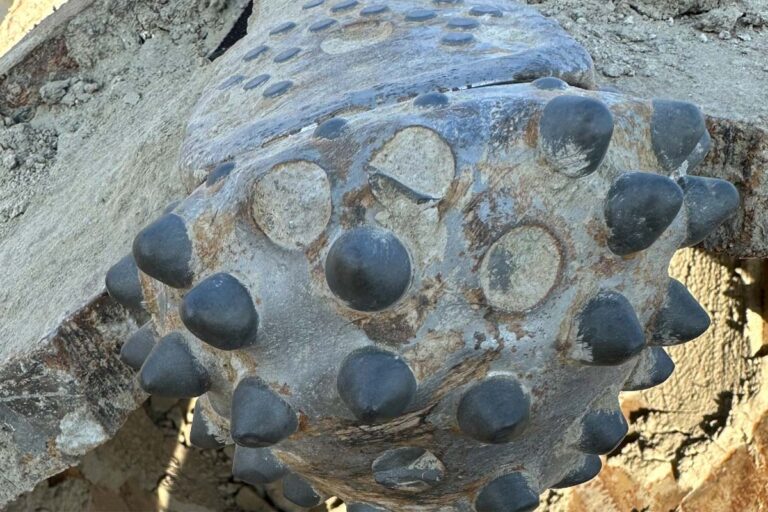
Unlike roller-cone bits, which break rock through rolling, crushing, and impact-related contact, PDC bits primarily remove material through a shearing action. This cutting mechanism can deliver efficient drilling in suitable formations.
PDC bits also have no moving cutting cones. Their fixed-cutter design can simplify the cutting structure and eliminate the wear or mechanical failures associated specifically with moving cone assemblies.
However, efficient cutting depends on more than the diamond cutters themselves. Blade configuration, cutter size and placement, bit profile, gauge protection, flushing passages, and operating parameters all influence performance.
Which Ground Conditions Are Suitable for PDC Bits Drilling?
Formation compatibility is one of the most important factors when choosing a PDC bit. Before ordering, consider not only rock hardness but also abrasiveness, fracture conditions, and changes in geology along the bore.
Soft to Medium-Hard, Relatively Uniform Formations
PDC bits often perform well in formations that allow the cutters to shear material consistently. Under suitable conditions, they can deliver good penetration rates and help reduce drilling time.
Hard and Abrasive Rock
Hard rock requires careful evaluation of cutter durability, cutting structure, and the loads placed on individual cutters. Some PDC bit designs can handle demanding rock conditions, but not every standard design is suitable for them.
Choosing a bit solely because it has diamond cutters is not enough. The cutter specification and overall design must match the formation and expected operating conditions.
Fractured Rock and Mixed Formations
This is where drilling can become unpredictable. Sudden changes in rock hardness, gravel, fractures, and localized impact loads can increase the risk of cutter damage.
If the bore passes through several different formations, tell your supplier about the entire geological profile rather than describing the ground with one word, such as"hard rock."
Why Do PDC Cutters Wear Out or Break Prematurely?
A PDC bit can be well manufactured and still perform poorly when the formation or operating conditions are unsuitable.
Before blaming the cutter quality, investigate the following factors.
Formation Changes and Impact Loads
Fractured rock, gravel, and alternating hard and soft layers can expose cutters to uneven loads. In these conditions, a design optimized for uniform rock may not provide the durability required.
Incorrect Drilling Parameters
Excessive weight on bit, unsuitable rotary speed, or sudden operating changes can increase stress on the cutting structure. More pressure does not automatically mean faster drilling.
Poor Cuttings Removal
If drilling fluid cannot remove cuttings effectively, material may accumulate around the bit. This can reduce cutting efficiency, increase friction, and contribute to unstable operation.
Incorrect Bit Selection
To reduce premature failures, match the cutter design to the ground conditions, follow application-specific operating recommendations, and maintain effective flushing. When damage occurs repeatedly, review the drilling conditions before simply ordering the same bit again.
How Can You Improve Drilling Speed Without Increasing Equipment Stress?
First, match the cutting structure to the formation. A suitable blade layout and cutter configuration help the bit remove material efficiently. More cutters or blades do not automatically guarantee better performance.
Second, check torque and rotary speed. The selected bit must work within the capabilities of the drilling equipment. If torque demand becomes excessive or drilling performance becomes unstable, review the bit design and operating parameters.
Third, make sure the bit can clear the cuttings. Effective flushing helps remove drilled material and maintain contact between the cutters and the formation. Nozzle configuration and fluid delivery should match the application.
PDC Bit vs. Roller-Cone Bit: Which Should You Choose?
PDC bits and roller-cone bits use different rock-breaking mechanisms. Neither is automatically the best choice for every project.
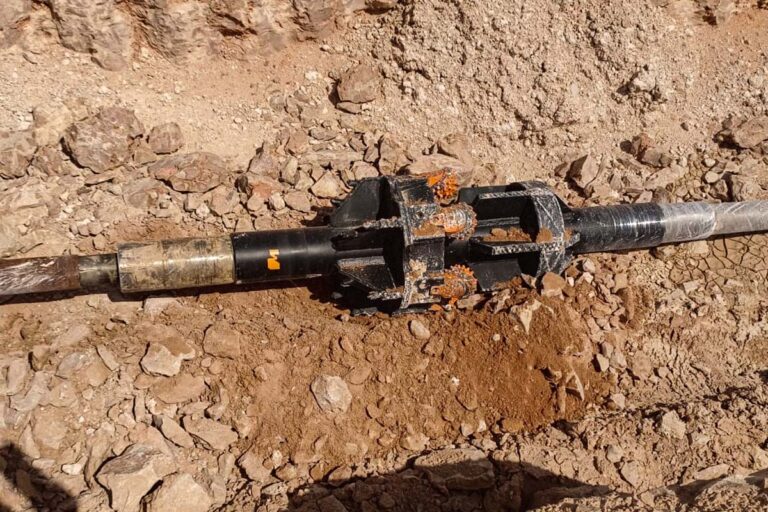
For HDD projects, make sure you are comparing tools designed for the same application. A drill bit for creating a pilot hole is not interchangeable with a reamer designed to enlarge that hole.
When a PDC Bit May Be the Better Option
- The formation is suitable for fixed-cutter shearing.
- High penetration efficiency is an important objective.
- The drilling system can provide the required torque and flushing.
- The formation and operating conditions support the selected cutter design.
When a Roller-Cone Bit May Be Worth Considering
- The formation is highly fractured or presents demanding impact conditions.
- The project requires a crushing-based cutting mechanism.
- A suitable roller-cone design offers a better match for the specific rock and drilling system.
Need help selecting the right hole opener for your project? Send us your formation details, pilot hole size, target diameter, and rig model for a technical recommendation.