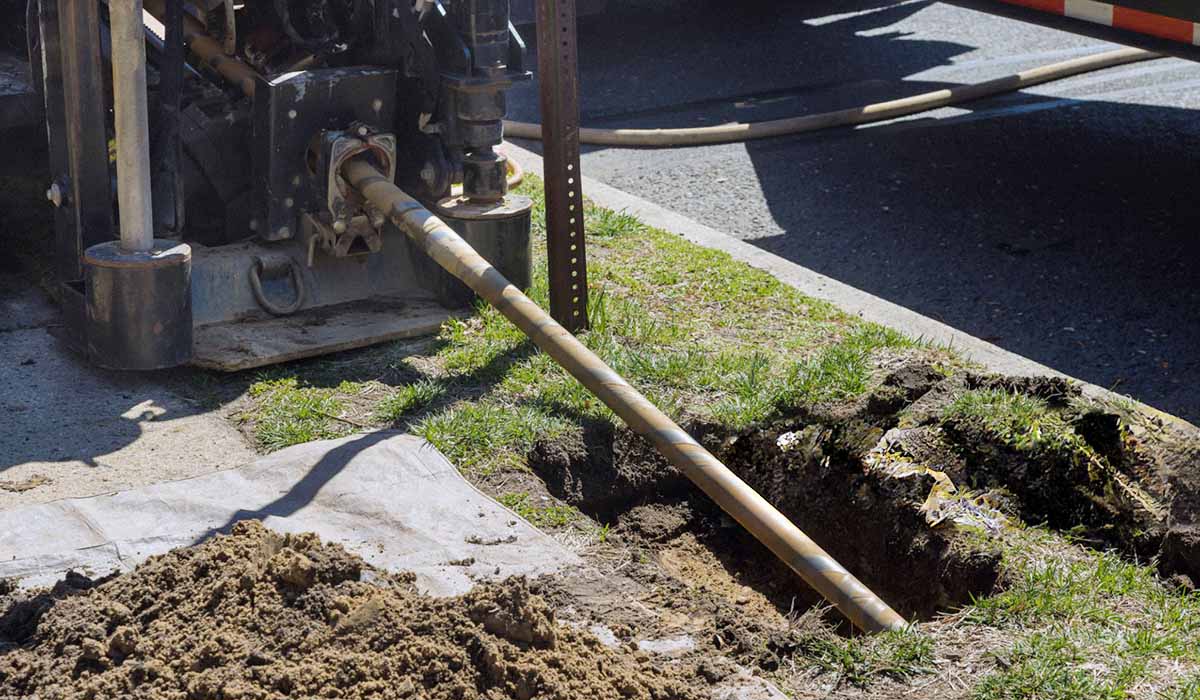
In HDD projects, many drilling problems are not caused by equipment—but by incorrect bit design.
Common issues include:
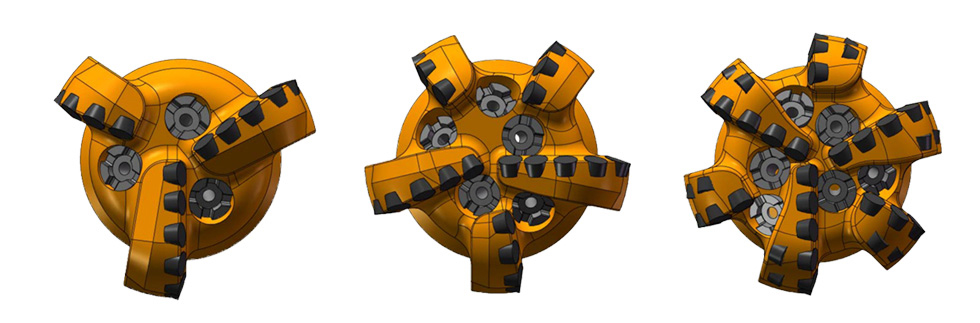
These problems are directly related to blade count, cutter size, and back rake configuration.
More blades (5–7 blades):
Fewer blades (3–4 blades):
Large cutters (16–19mm):
Small cutters (13mm):
Back rake is the angle between the cutter face and the formation.
Low back rake (aggressive angle):
High back rake (conservative angle):
| Formation | Blade Count | Cutter Size | Back Rake |
|---|---|---|---|
| Soft Soil | 3–4 | 16–19mm | Low |
| Medium Rock | 4–5 | 13–16mm | Medium |
| Hard Rock | 5–7 | 13mm | High |
Back rake is the angle between the cutter face and the formation.
Low back rake (aggressive angle):
High back rake (conservative angle):
Blade count, cutter size, and back rake directly determine HDD drilling performance.
Choosing the right configuration can:
Looking for the right HDD PDC bit for your project? Contact us with your rock type, formation details and drilling conditions.
[ PDC Drill Bit for Hard Rock and Directional Drilling – Buyer’s Guide ]
It depends on formation. Hard rock typically requires more blades.
No. They drill faster but wear faster.
It depends on formation hardness.
No. Different formations require different designs.
We provide high-efficiency, precision drilling equipment and technical support to ensure the success of mineral, geological, and engineering projects under complex global conditions.
Want more product details? Send us an inquiry
Copyright by Meclead.com.