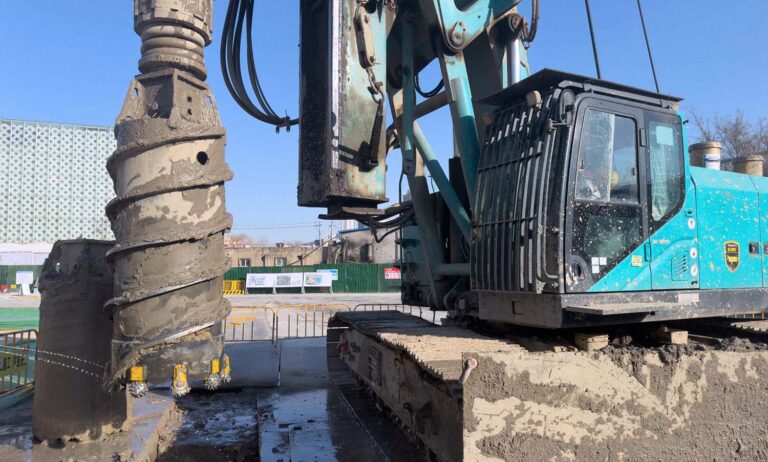
Choosing an HDD hole opener for hard rock involves more than selecting the right diameter. Cutter durability, roller assembly strength, drilling rig capacity and cuttings removal all affect how reliably the tool performs in the field.
For HDD contractors, two problems can be particularly costly: roller cutters or their supporting components failing during reaming, and excessive torque or pullback loads slowing down the operation. Both can lead to unexpected downtime, repair expenses and delays to pipe installation.
This guide explains how to choose HDD hole opener sizes, match cutter designs to ground conditions, evaluate torque and pullback requirements, and compare the total cost per bore. It also outlines what to discuss with an HDD hole opener manufacturer when a standard tool may not suit your project.
Bigger Bore, Bigger Challenge: How Do You Size an HDD Hole Opener?
Selecting the correct HDD hole opener size starts with the required final bore diameter, but the target diameter is only one part of the decision.
As the bore becomes larger, the amount of material that must be removed generally increases. Depending on the formation, this can increase cutting resistance, torque demand and the volume of cuttings that must be transported out of the bore. An unsuitable tool size or reaming sequence can place unnecessary loads on both the cutter assembly and the drilling rig.
Before specifying an HDD hole opener, consider the following factors.
Final bore diameter and pipe installation requirements
Determine the required bore diameter based on the product pipe, installation method, ground conditions and required annular clearance. Do not assume that one fixed oversize percentage is suitable for every project.
Pilot hole diameter
Confirm the existing pilot hole diameter and whether the selected tool is designed for that configuration. The difference between the pilot hole and the final bore affects the amount of material removed during each reaming pass.
Reaming stages
For some large-diameter or demanding rock applications, staged reaming may help manage cutting loads and cuttings removal. However, the appropriate number of passes depends on the formation, bore stability, tool design and rig capacity.
Rig and connection compatibility
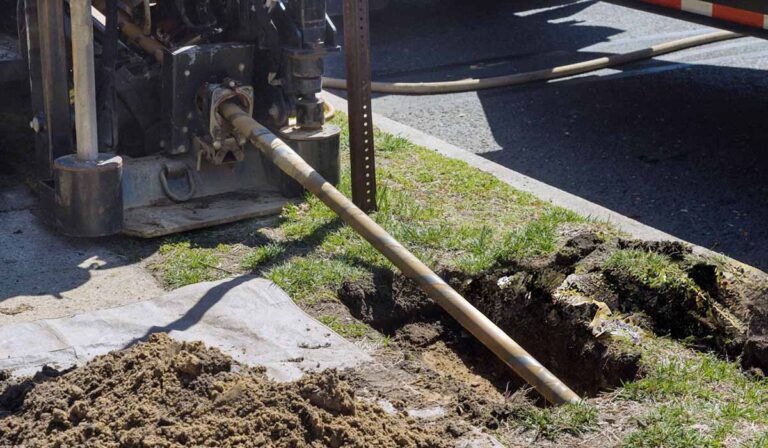
The selected hole opener must be compatible with the drill string and remain within the operating limits of the rig. Check the available torque, pullback capacity, circulation system and connection specifications before ordering.
The goal is not simply to select a larger or heavier hole opener. It is to choose a configuration that can enlarge the bore without placing unnecessary stress on the cutters, tool body or drilling system.
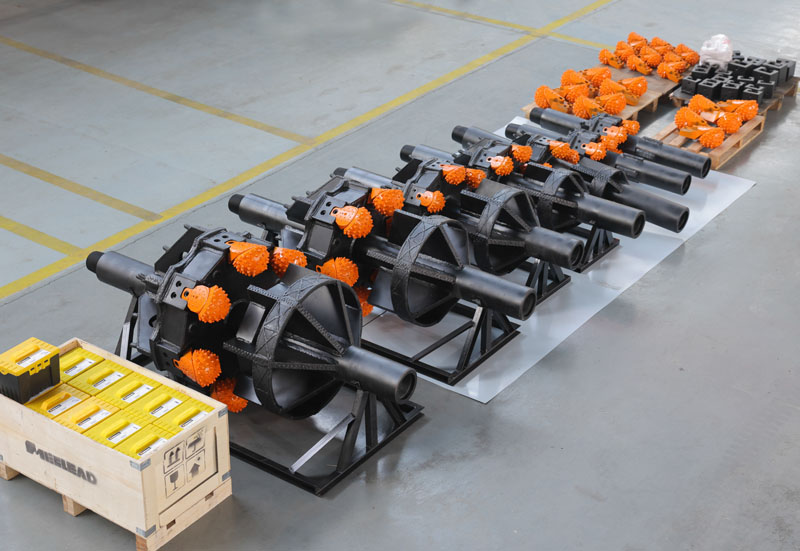
Hard Rock, Abrasive Ground or Mixed Formations: Does Cutter Design Make the Difference?
Hard rock reaming places demanding loads on the cutter assembly. Yet rock hardness alone does not determine whether a cutter will perform reliably. Fractures, abrasiveness, impact loading, formation variability and operating parameters can all affect service life.
When a roller cutter breaks, comes loose or wears prematurely, the first step is to identify the actual failure mode rather than simply replacing it with a harder cutter.
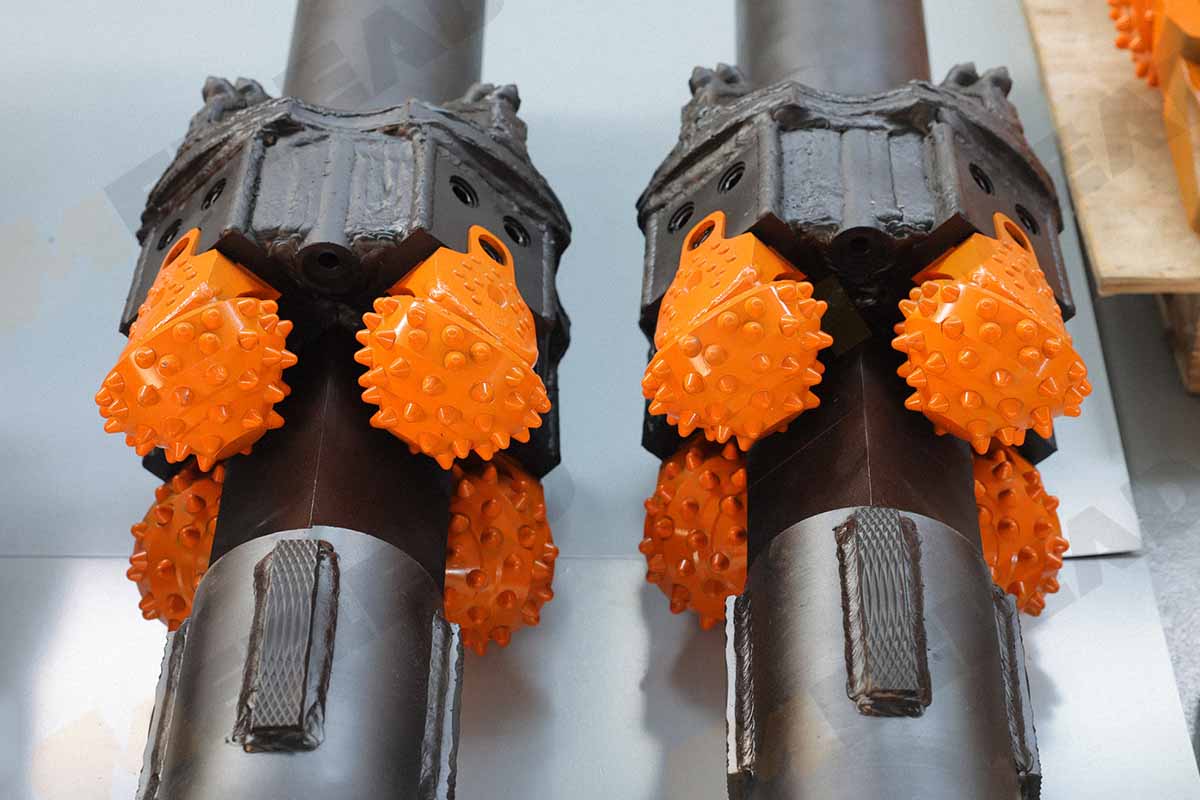
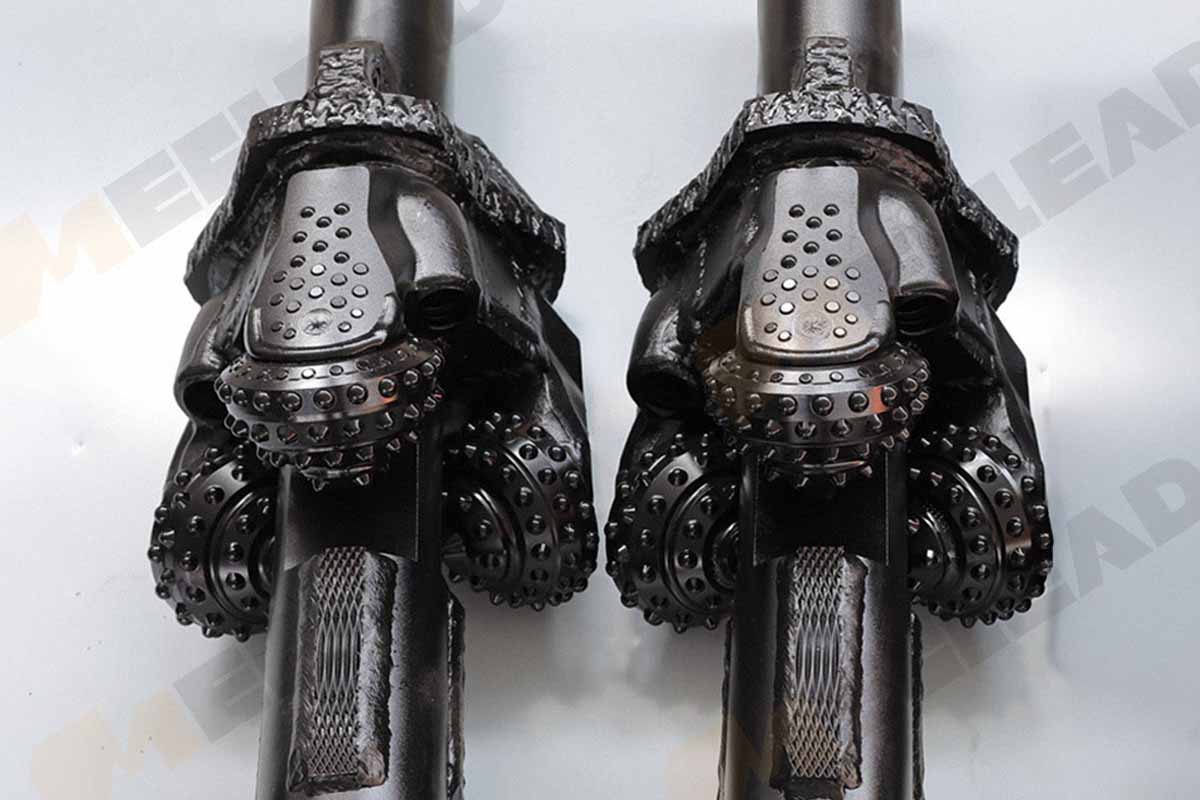
Roller cutter breakage and component failure
A roller cutter assembly may experience several different types of failure:
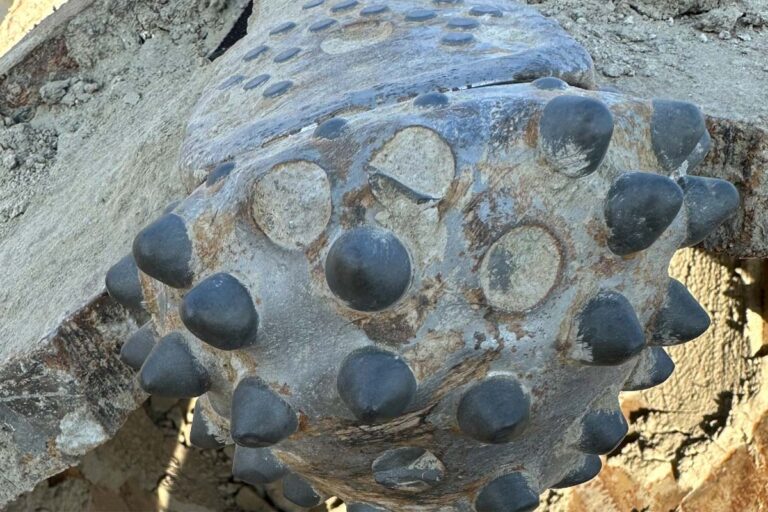
Cutter tooth damage: Carbide inserts or cutting teeth may chip or break under severe impact, unsuitable loading or unfavorable formation conditions.
Roller or cone damage: The rotating cone may suffer damage under excessive impact or operating loads.
Bearing or seal failure: Contamination, lubrication problems or excessive loading may contribute to premature failure, depending on the design.
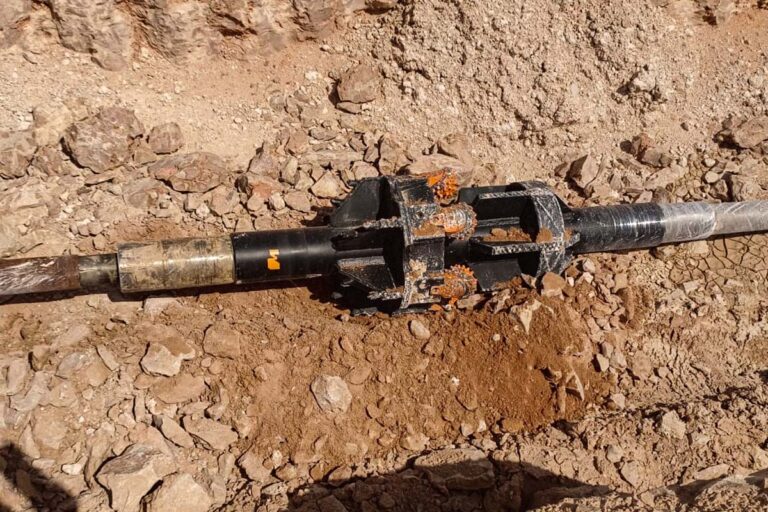
Cutter retention or mounting failure: A damaged mounting structure, unsuitable retention design or poor assembly can increase the risk of a cutter becoming loose or detached.
Tool body or weld failure: In welded structures, inadequate joint preparation, positioning or welding quality may contribute to cracking or separation under load.
These failure modes require different corrective actions. For example, replacing broken carbide inserts does not solve an underlying mounting problem, and improving weld quality alone does not address excessive impact loading caused by the drilling conditions.
Match the cutter design to the formation
For hard, compact rock: Evaluate cutter geometry, impact resistance, bearing configuration and the expected operating loads.
For abrasive rock: Consider wear resistance, cutter arrangement and the expected rate of material removal.
0 Assess the potential for uneven loading and sudden impact. A design suitable for consistent rock may not perform the same way when the formation changes frequently.
What should be checked after repeated cutter failures?
Review the damaged components, operating records, ground conditions, drilling parameters and maintenance history. Photographs of the failed assembly can also help the manufacturer identify possible failure mechanisms.
Do not automatically attribute every broken roller cutter to poor manufacturing. A reliable diagnosis should consider both the tool's construction and the conditions under which it was operated.
Replaceable or Welded Cutters: Which Saves More Over Time?
When roller cutters fail or wear out, the repair method can affect downtime and project cost. However, the best choice depends on the actual tool design and failure mode.
A replaceable cutter system may make field maintenance easier when compatible components are readily available. If a cutter or mounting component can be replaced without rebuilding the entire assembly, repair time may be reduced.
Welded designs can also be appropriate, provided the structure is designed for the intended loads and the required repair procedures are available. In these cases, welding quality, joint preparation and post-repair inspection are important.
Before choosing between the two designs, compare the following factors:
| Factor | Replaceable design | Welded design |
|---|---|---|
| Field maintenance | May allow faster component replacement | May require welding equipment and skilled labor |
| Spare parts | Requires compatible replacement parts | Depends on the repair and replacement method |
| Downtime | Depends on accessibility and parts availability | Depends on repair time and inspection requirements |
| Structural reliability | Depends on mounting and retention design | Depends on joint design and welding quality |
| Long-term cost | Includes replacement parts and labor | Includes repair labor, consumables and downtime |
A replaceable design does not automatically prevent roller failure, and a welded design is not inherently unreliable. The important questions are whether the cutter assembly suits the ground conditions, whether its components are securely retained, and whether the tool can be maintained effectively throughout the project.
For repeated cutter breakage, ask the manufacturer to examine the damaged components and identify whether the issue involves the cutter itself, its mounting, the bearing assembly or operating loads.
Check Rig Torque, Pullback Force and Fluid Capacity
An HDD hole opener must work within the operating limits of the entire drilling system. Even a durable cutter design cannot compensate for insufficient rig capacity or poor cuttings removal.
Three factors deserve particular attention.
Torque and pullback force: Larger hole diameters and demanding formations can increase cutting resistance and pulling loads. The selected tool, drill string and rig must be suitable for the planned operation.
Drilling fluid circulation: Adequate fluid flow helps cool cutting components, transport cuttings and maintain bore conditions. The required flow rate depends on the tool, formation, bore diameter and drilling-fluid system.
Cuttings removal: If cuttings accumulate around the tool or remain in the bore, resistance can rise and progress can slow. Poor hole cleaning may also increase the risk of operational problems.
Before finalizing an HDD hole opener specification, confirm the available torque, pullback capacity, circulation rate, connection size and operating limits with the drilling contractor or equipment manufacturer.
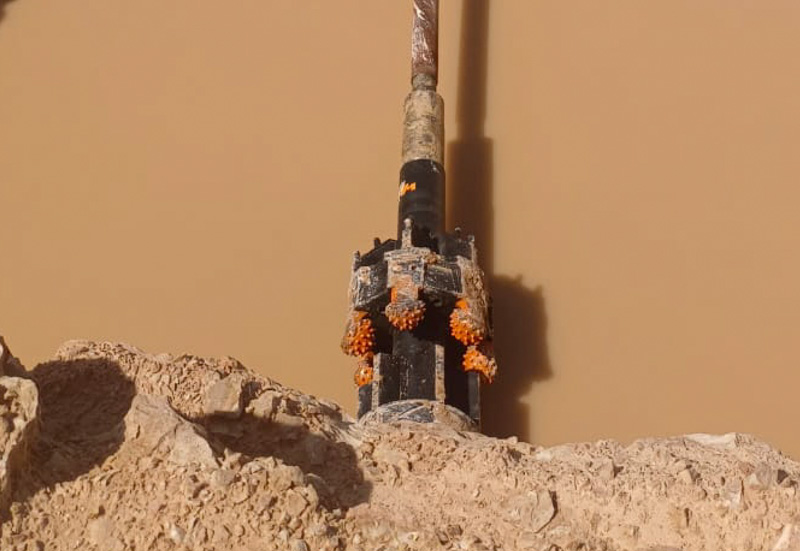
How to Calculate HDD Reamer Cost per Bore
The purchase price of an HDD hole opener does not tell the whole story. For contractors working in hard rock, repeated cutter failures, unplanned repairs and rising drilling loads can have a greater financial impact than the initial tool cost.
A more useful way to compare options is to estimate the cost of completing a bore under comparable operating conditions.
Consider four cost categories:
1. Tooling and wear parts
Include the initial hole opener cost, replacement cutters, wear components and any parts needed to restore the tool to working condition.
2. Repair and labor
Account for inspection, disassembly, repair, welding where applicable, reassembly and testing. The actual cost depends on the tool's design and the availability of service facilities.
3. Downtime
A damaged cutter assembly can interrupt drilling while the crew investigates the problem, retrieves or services the tool, and resumes operations. The financial impact depends on crew costs, equipment rental and project scheduling.
4. Drilling efficiency
Excessive torque, high pullback resistance or ineffective cuttings removal may reduce progress. If the operation takes longer to complete, labor and equipment costs may increase even when no component has failed.
When Should You Choose a Custom HDD Hole Opener?
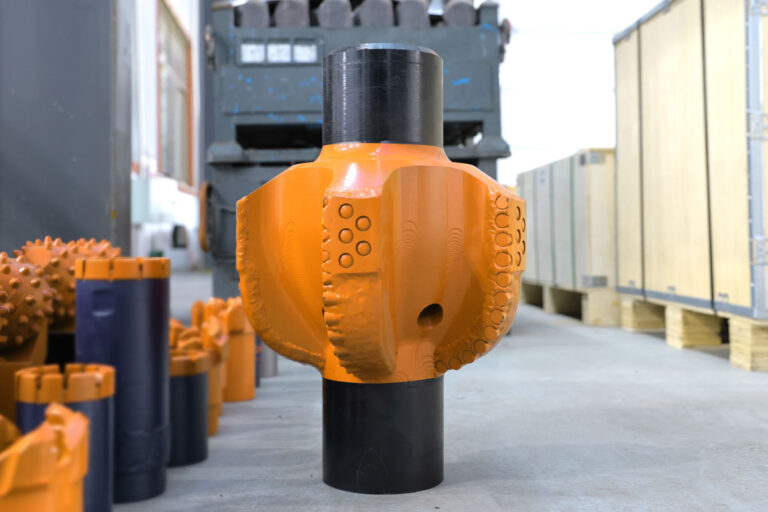
Standard specifications may be sufficient for straightforward applications. However, a custom HDD hole opener may be worth considering when the project has unusual bore dimensions, demanding rock conditions, specific rig connections or particular maintenance requirements.
Customization may involve:
Required hole diameter and overall tool dimensions.
Cutter type, size, quantity and arrangement.
Tool connection and compatibility with the drill string.
Wear protection and maintenance preferences.
Operating conditions and project-specific design requirements.
A useful customization request should explain not only what size you need, but also what the tool must do and what constraints it must operate within.
For example, a hole opener intended for abrasive hard rock may require a different cutter arrangement and wear-protection strategy from one intended for less demanding ground. The final configuration should be determined through technical review rather than diameter alone.
As a drilling tools manufacturer, Meclead can assess project specifications and discuss suitable manufacturing options. The purpose of customization is to align the tool with the job requirements—not simply to make the tool larger or heavier.
What Information Should You Provide to an HDD Hole Opener Manufacturer?
Providing complete project information helps an HDD hole opener manufacturer evaluate the application and recommend a suitable configuration. It can also reduce unnecessary quotation revisions and avoid selecting a tool that does not match the job.
Before requesting a quotation from Meclead, prepare the following information where available:
Ground conditions:Rock type, hardness, abrasiveness and mixed-ground conditions
Required bore diameter:Final hole diameter and planned reaming stages
Pilot hole diameter:Existing pilot hole size and drilling arrangement
Drilling rig specifications:Available torque, pullback force and fluid flow
Cutter requirements:Cutter type, wear resistance and replaceable or welded design preference
Tool connection:Drill string connection and compatibility requirements
Project quantity and delivery:Estimated quantity, delivery destination and required delivery date
If some technical details are unavailable, start with the ground conditions, target bore diameter, rig model and project requirements. The manufacturer can then identify which additional specifications need to be confirmed.
Need help selecting the right hole opener for your project? Send us your formation details, pilot hole size, target diameter, and rig model for a technical recommendation.