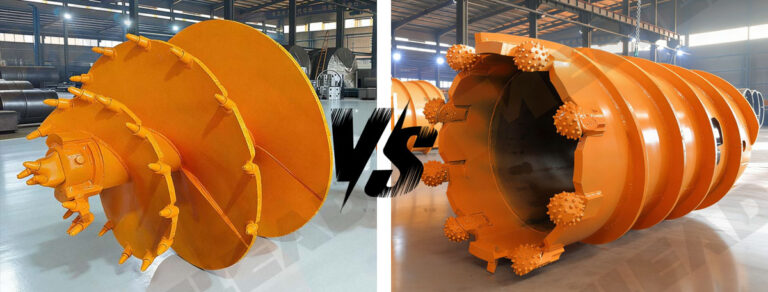
In horizontal directional drilling, many buyers use the terms reamer and hole opener interchangeably. However, when it comes to tool selection, drilling efficiency, and formation matching, they are not exactly the same. Choosing the wrong tool can lead to higher torque, slower penetration, faster wear, and increased drilling cost.
If your project involves hard rock, mixed formations, or large-diameter bore enlargement, understanding the difference between pdc reamers and a hole opener is essential. A horizontal directional drilling reamer is often selected for smoother and faster cutting in suitable formations, while a hole opener is usually preferred for larger enlargement stages and more demanding ground conditions.
What is a PDC Reamer in HDD Drilling?
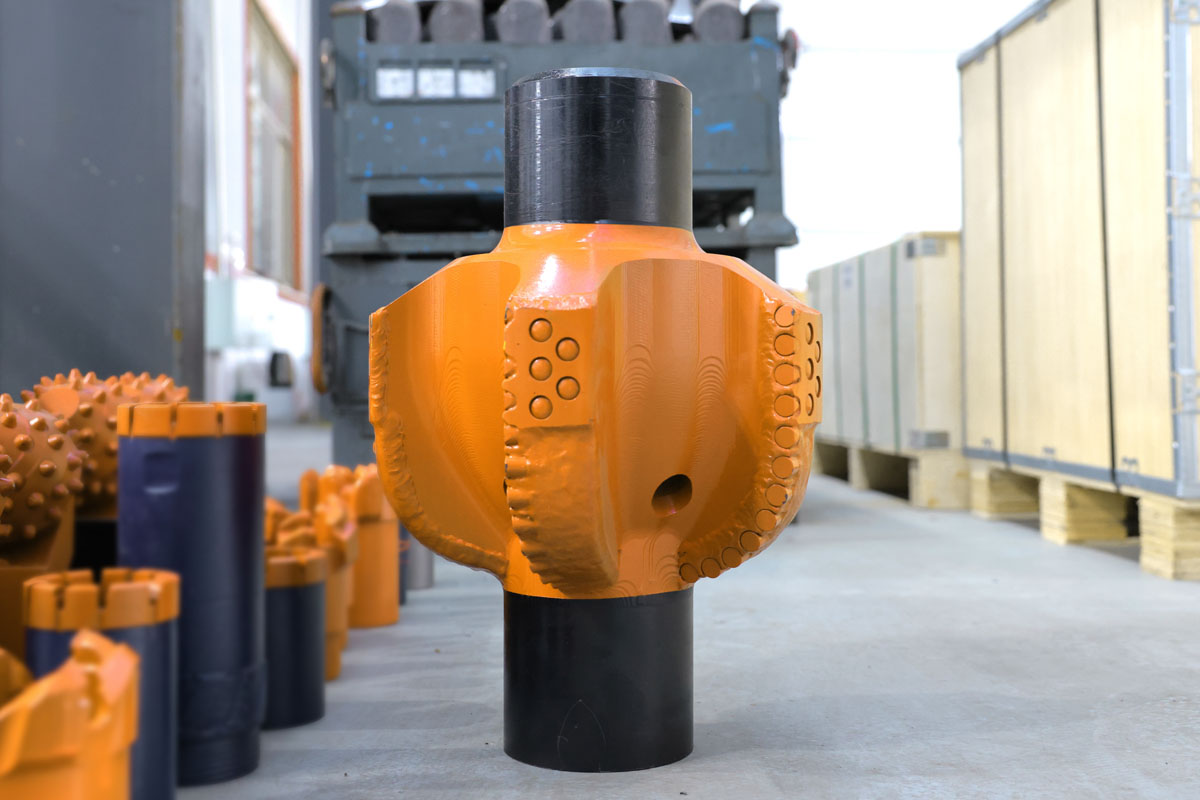
PDC reamers are a type of HDD reamer widely used in directional drilling reamers. They are equipped with polycrystalline diamond compact cutters, designed for efficient cutting and smooth borehole enlargement.
High efficiency in soil and mixed formations
Strong wear resistance
Smooth and stable borehole
Lower torque requirement
What is a Hole Opener?
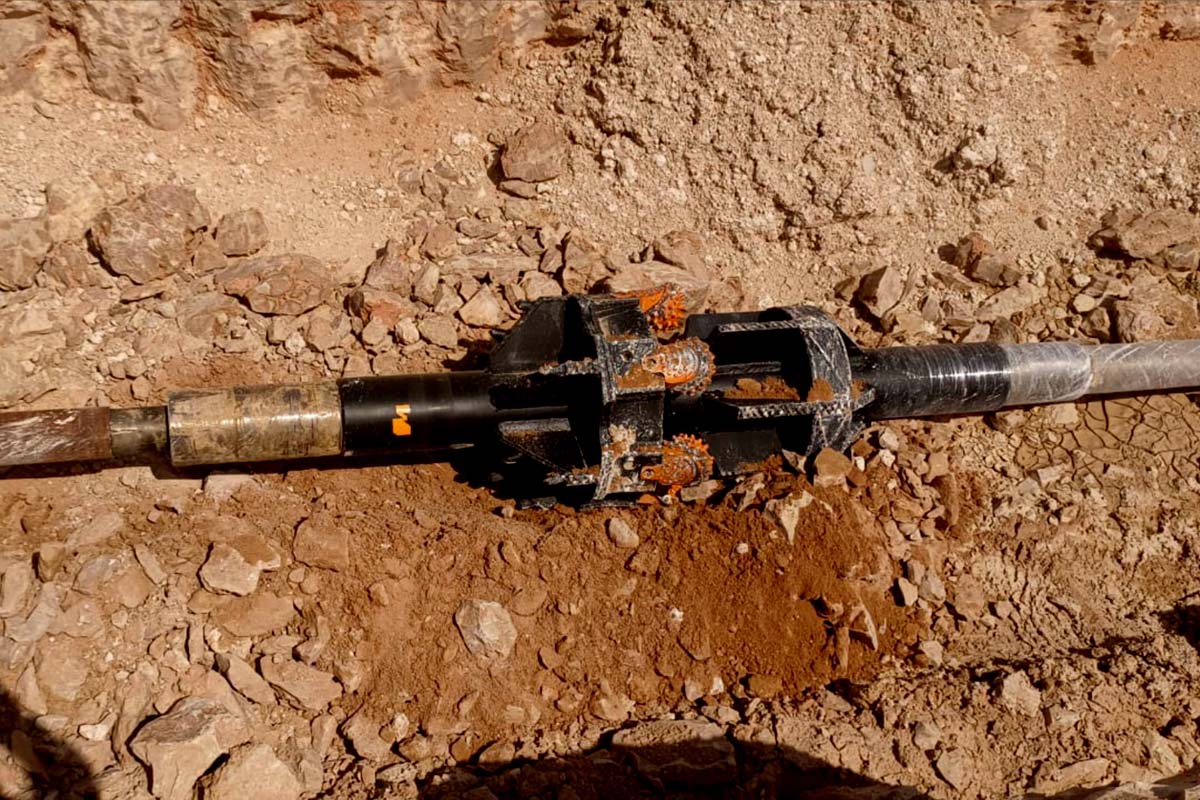
A hole opener is also designed to enlarge an existing pilot hole, but it is generally associated with heavier-duty bore enlargement. In HDD applications, a hole opener is often used when the required increase in bore size is larger, or when the formation is harder, more abrasive, or less predictable.
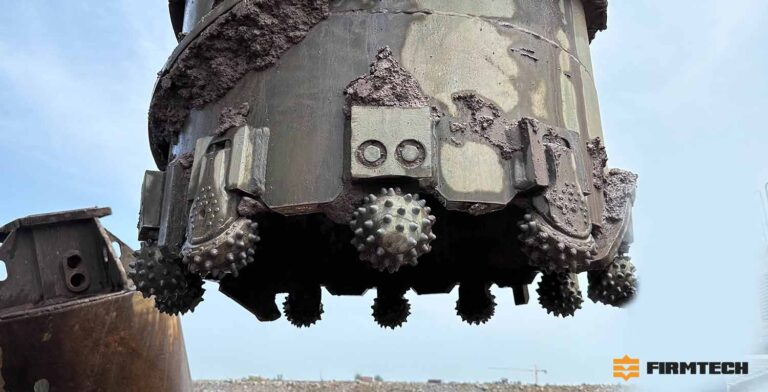
A tricone hole opener uses rolling cones to crush and chip the formation. This makes it a practical choice for hard rock, gravel, fractured ground, and mixed formations where impact resistance and structural strength are critical. In many HDD projects, hdd hole openers are preferred when contractors need step-by-step enlargement after the pilot hole is drilled.
Excellent rock breaking capability
Suitable for high-strength formations
Efficient for large diameter expansion
High durability
PDC Reamers vs Hole Opener
The main difference is not only the name. The real difference lies in cutting mechanism, formation suitability, and enlargement duty.
Feature
PDC Reamers
Hole Opener
Tool Type
HDD reamer
Rock expansion tool
Cutting Structure
PDC cutters
Roller cones
Best Formation
Soil & mixed
Hard rock
Torque
Low–medium
Very high
Hole Quality
Smooth
Aggressive
Method
Step reaming
Large expansion
PDC reamers rely on fixed cutters to shear the formation. This usually delivers faster cutting, lower vibration, and smoother bore enlargement in soft to medium and relatively uniform formations.
A hole opener, especially a tricone hole opener, relies more on crushing and rolling action. It is generally more suitable for hard rock, abrasive formations, mixed ground, and larger enlargement stages where durability and structural reliability are more important than maximum speed.
Choose pdc reamers when your project needs efficient cutting in soft to medium formations and the ground is relatively predictable. They are often the better choice for utility crossings, telecom projects, and other HDD jobs where bore quality, smoother cutting, and lower torque are priorities.
A well-designed directional drilling reamer can help improve reaming speed and reduce unnecessary tool stress in uniform formations. For contractors looking for efficient hole enlargement after the pilot hole, a horizontal directional drilling reamer with PDC cutters is often a competitive option.
When to Choose PDC Reamers
Choose a hole opener when the project involves hard rock, abrasive formations, gravel, or mixed ground. It is also the better choice when the bore diameter needs a bigger step-up and the reaming task places higher demands on structural strength.
For large-diameter hole opener drilling, durability and formation tolerance matter more than pure cutting speed. This is why many contractors choose tricone hole opener designs for shale, limestone, granite, and complex ground conditions.
Hole Opener vs Reamer: Quick Comparison
Comparison Point
PDC Reamers
Hole Opener
Cutting Action
Shearing cutting with fixed cutters, smoother and more efficient in suitable formations.
Crushing and rolling action, especially in tricone hole opener designs.
Suitable Formations
Best for soft to medium and relatively uniform formations such as clay, shale, and soft sandstone.
Better for hard rock, abrasive formations, gravel, and mixed ground.
Enlargement Stage
Commonly used for controlled and efficient bore enlargement after the pilot hole.
More often used for larger enlargement stages and heavy-duty hole opening.
Main Advantage
Higher cutting efficiency, smoother bore enlargement, and lower vibration in the right ground.
Stronger structure, better durability, and better tolerance in difficult ground.
Best Use Scenario
Utility crossings, telecom projects, and HDD jobs in predictable formations.
Hard rock drilling, mixed formations, and large-diameter enlargement projects.
How to Choose the Right Tool for Your HDD Project
The right choice depends on four key factors: formation type, final bore size, enlargement stage, and drilling risk.
If the ground is soft to medium and relatively uniform, pdc reamers can help improve cutting efficiency and bore quality.
If the ground is hard, abrasive, or mixed, a hole opener is generally the safer and more durable solution.
If you need a bigger enlargement jump, hdd hole openers often provide better structural support.
If your priority is smoother and faster reaming in the right formation, a horizontal directional drilling reamer may be the better option.
Conclusion
Both pdc reamers and hole opener tools play an important role in HDD drilling, but they are not ideal for the same job conditions. A directional drilling reamer is often the better choice for smooth, efficient enlargement in soft to medium formations, while a hole opener is typically the better solution for hard rock, mixed ground, and larger-diameter bore expansion.
If you want better drilling performance, longer tool life, and lower total drilling cost, the key is not simply choosing the cheapest tool. The key is matching the correct tool design to the actual formation and enlargement requirement.
Need help selecting the right HDD reamer for your project? Send us your formation details, pilot hole size, target diameter, and rig model for a technical recommendation.
Not exactly. Both enlarge an existing hole, but a hole opener is more often associated with larger and heavier-duty enlargement, while a reamer can refer more broadly to bore-enlarging tools including pdc reamers.
No. They are not limited to rock, but they are especially valuable in hard and complex formations, particularly when larger enlargement stages are required.
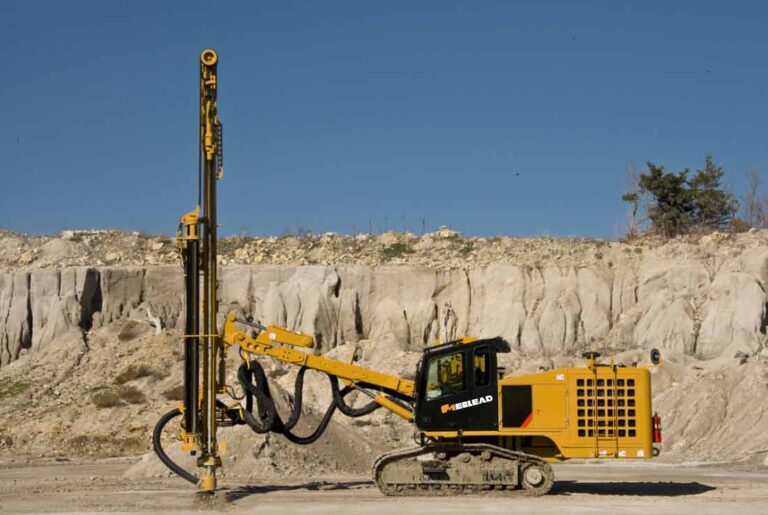
Explore Meclead’s exploration drilling solutions.
We provide high-efficiency, precision drilling equipment and technical support to ensure the success of mineral, geological, and engineering projects under complex global conditions.