What is a Core Barrel Auger? Complete Guide for Hard Rock Piling
In hard rock drilling and piling projects, choosing the right tool can directly impact efficiency, cost, and project success.If you're new to this topic, you
If your bucket drill struggles in hard rock or sticky clay, you are not alone. Many contractors face:
These problems are not caused by the rig—but by using the wrong rotary drilling bucket.
A properly designed heavy duty drilling bucket can completely change your drilling performance.
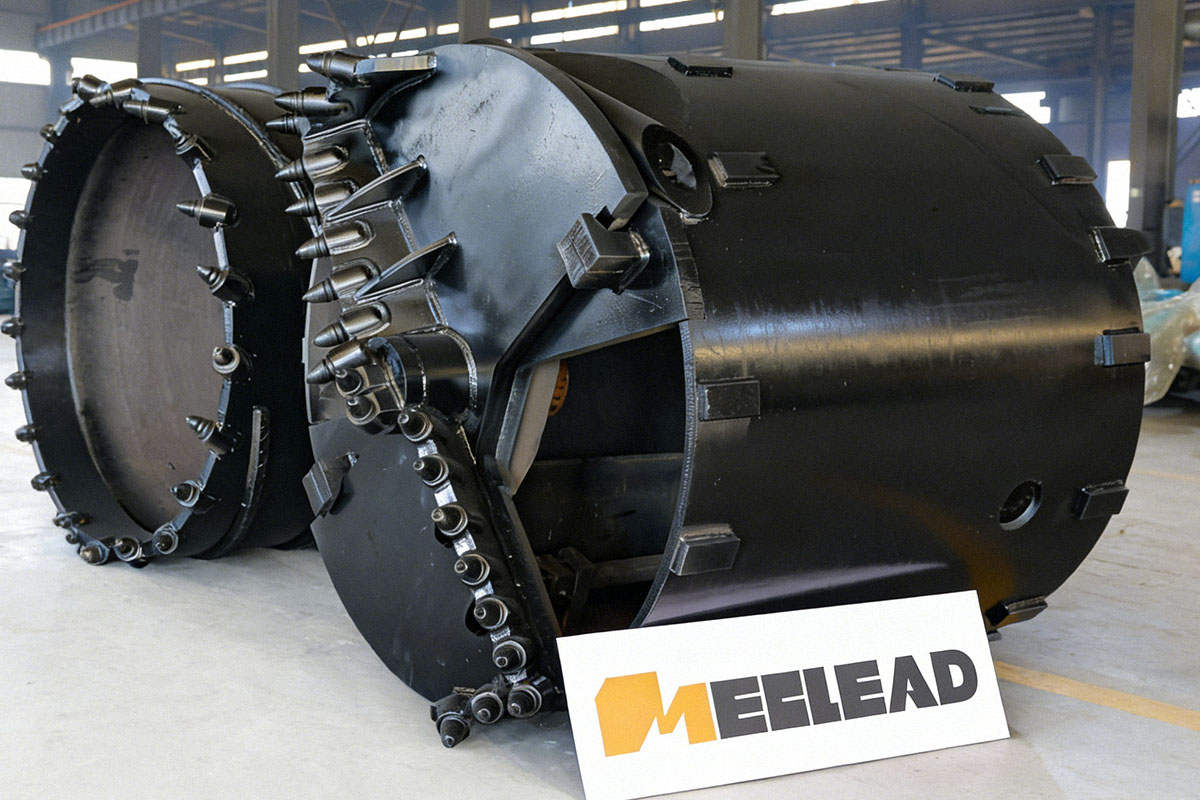
1. Hard Rock Challenges
Result: Tooth breakage + slow penetration
2. Clay Challenges
Result: Bucket blockage + low efficiency
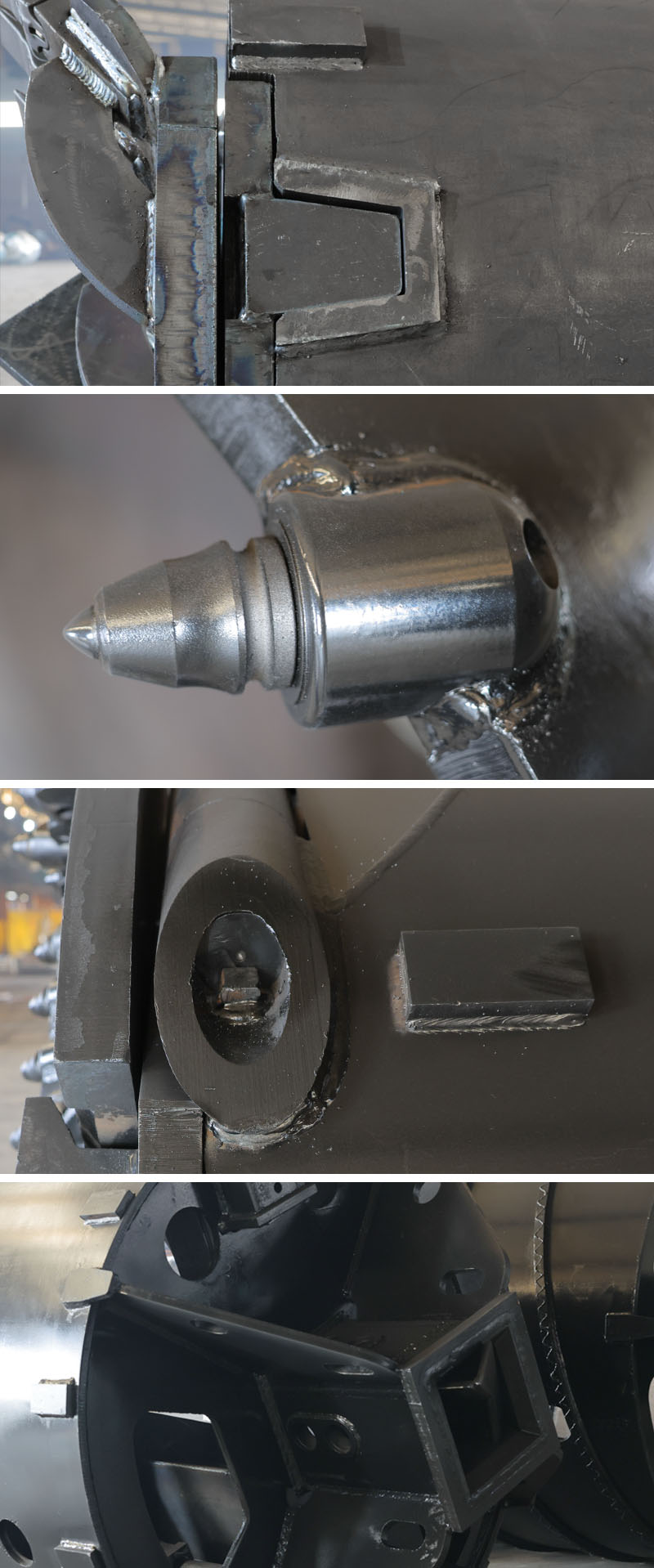
1. Reinforced Structure
Prevents deformation in hard rock
2. Aggressive Cutting Design
Improves penetration
3. Wear-Resistant Protection
Extends service life
4. Anti-Clogging Design
Essential for clay
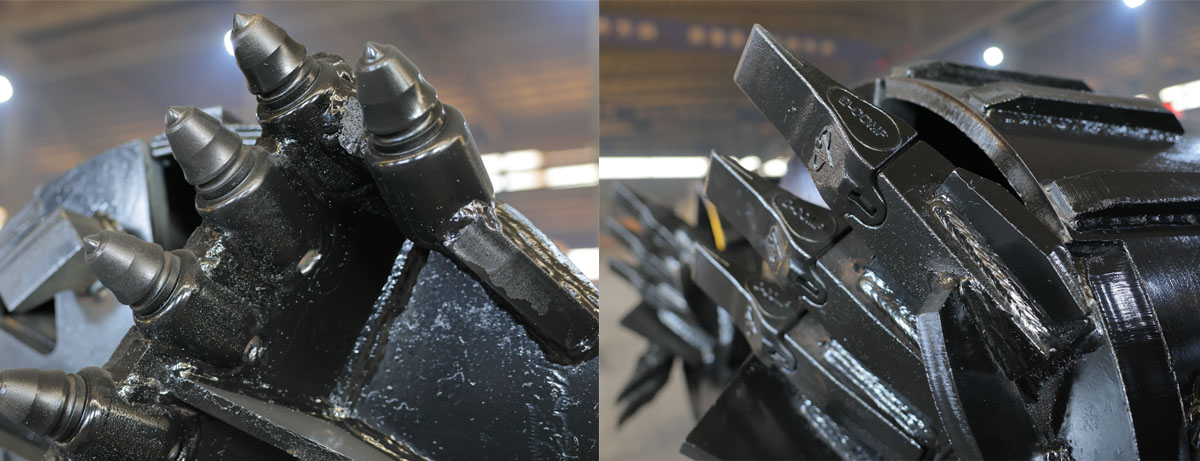
1. Bullet Teeth for Fracturate Rock
Best for fractured & non-fractured rock
2. Flat Teeth for Clay
Best for dirt & sand & silt
3. Mixed Teeth Configuration
Combine bullet teeth + flat teeth
Industry Insight:
Over 70% of drilling inefficiency comes from wrong teeth selection, not the bucket itself.
This is where most projects lose money.
Still not sure which drilling bucket is right for your project?
Choosing the correct bucket drill depends on multiple factors, including soil type, rock hardness, and drilling conditions. Using the wrong rotary drilling bucket can significantly reduce efficiency and increase costs.
Read our complete guide:
What Is a Drilling Bucket ? How to Choose the Right Rotary Drilling Bucket for Soil & Rock
This guide will help you quickly identify whether you need a soil bucket or a rock bucket based on dirt, sand, silt, clay, gravel, or fractured rock conditions—so you can make the right decision before your next project.
In hard rock and clay conditions, using a standard bucket drill setup is a costly mistake. A heavy duty drilling bucket with the right design and teeth selection is essential for efficiency, durability, and profitability.
If your drilling performance is not meeting expectations, the solution is not more power—it’s the right bucket.
Contact us today to get a customized drilling bucket solution for your project.
Yes, a heavy duty drilling bucket with a mixed teeth configuration can handle both hard rock and clay. However, for maximum efficiency, it is recommended to use a bucket specifically designed for each ground condition.
Rapid wear is usually caused by low-quality teeth or using a standard bucket instead of a heavy duty drilling bucket. Hard rock requires reinforced structure and high wear-resistant bullet teeth.
Use a drilling bucket with anti-clogging design and flat teeth. A larger opening and smooth internal structure can also improve soil discharge and prevent blockage.
A properly selected heavy duty drilling bucket can improve drilling efficiency by 30%–50%, reduce downtime, and significantly lower overall project costs.
We provide high-efficiency, precision drilling equipment and technical support to ensure the success of mineral, geological, and engineering projects under complex global conditions.
In hard rock drilling and piling projects, choosing the right tool can directly impact efficiency, cost, and project success.If you're new to this topic, you
What Is a PDC Drill Bit? A PDC drill bit, short for Polycrystalline Diamond Compact (PDC) drill bit, uses synthetic diamond cutters to shear rock
What Is a Hard Rock Auger for Piling? Hard rock augers are essential tools in rotary piling drilling projects. They perform reliably in dense soil,
In the world of Horizontal Directional Drilling (HDD), the reaming process is often the most time-consuming and costly phase. Choosing the right tool isn't just about finishing the hole; it’s about protecting your drill rig and ensuring project profitability.
How do you choose the right bucket drill?
Choose the right bucket drill based on ground type. Use a soil bucket for dirt, sand, silt, and clay to achieve faster drilling and efficient soil discharge. Use a rock bucket for gravel and fractured rock to ensure strong penetration and durability. Matching the rotary drilling bucket to the formation improves efficiency, reduces wear, and optimizes bucket drill rig performance.
In hard rock drilling and piling projects, choosing the right tool can directly impact efficiency, cost, and project success.If you're new to this topic, you
Bored piles, also known as drilled shafts, are a type of cast-in-place reinforced concrete foundation widely used in deep foundation construction. Common in high-rise buildings,
Pile Casing for Deep Foundation – Types, Applications & Installation Pile casing, also known as piling casing or casing pile, is essential in deep foundation
What is an auger drilling? Auger drilling is a widely used drilling method in piling and foundation construction. It uses a helical screw blade, known
What Are Bullet Teeth? Bullet teeth are essential wear parts used on drilling tools such as augers, drilling buckets, and core barrels in foundation and
Want more product details? Send us an inquiry

Copyright by Meclead.com.