Roller Bit Uses: Everything You Need to Know
Roller bits are essential components in modern drilling operations, widely used in foundation drilling, piling, bore pile,well drilling, and oilfield exploration. Designed to withstand extreme ground
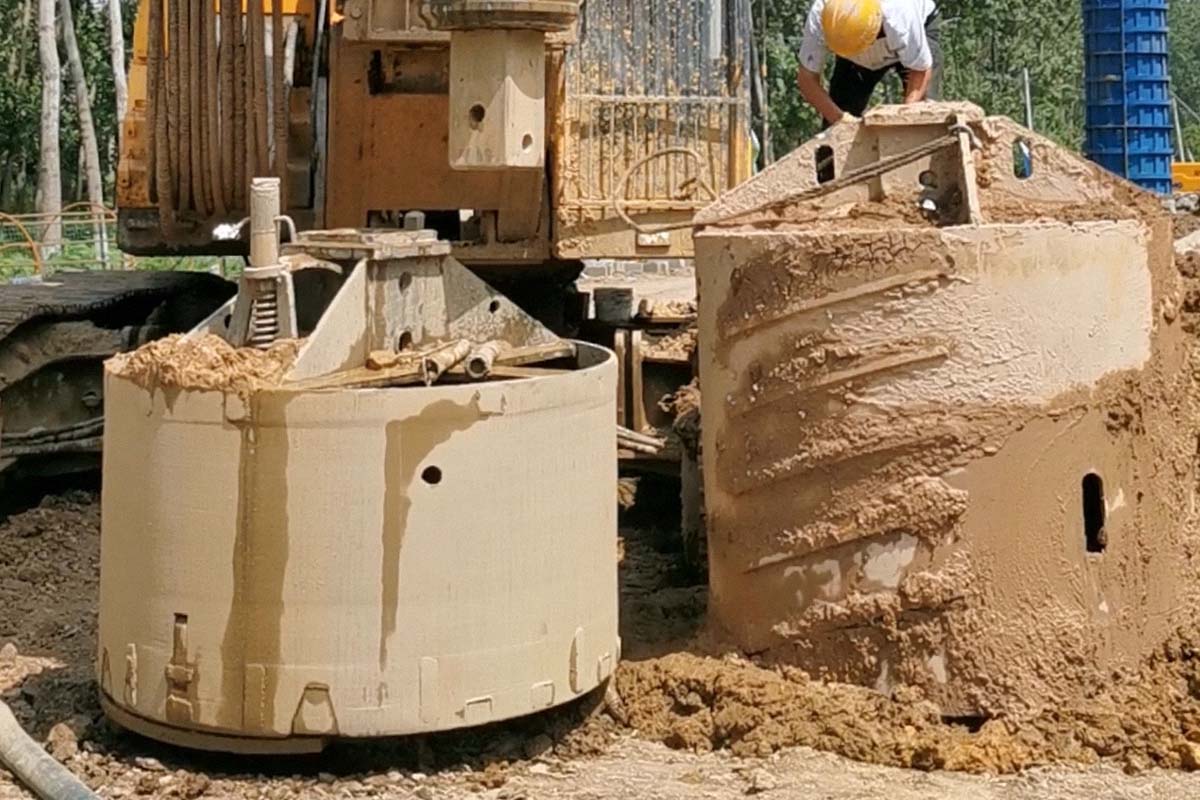
When drilling in silt, clay, gravel , or fracturate rock , many contractors encounter the same costly problems: slow drilling speed, rapid tooth wear, and frequent bucket blockage.
These are not random issues — they are clear signs that your bucket drill is not matched to the ground conditions.
1. Wrong Cutting Teeth Selection
Using standard soil teeth in hard formations is one of the biggest mistakes.
2. Bucket Structure Is Not Reinforced
Standard drilling buckets are not designed for extreme ground conditions.
3. Design Does Not Match Ground Conditions
Different formations require completely different bucket designs.
| Ground Type | Recommended Design |
|---|---|
| Soft soil | Wide opening, high efficiency |
| Clay | Anti-clogging structure |
| Hard rock | Reinforced body + aggressive cutting angle |
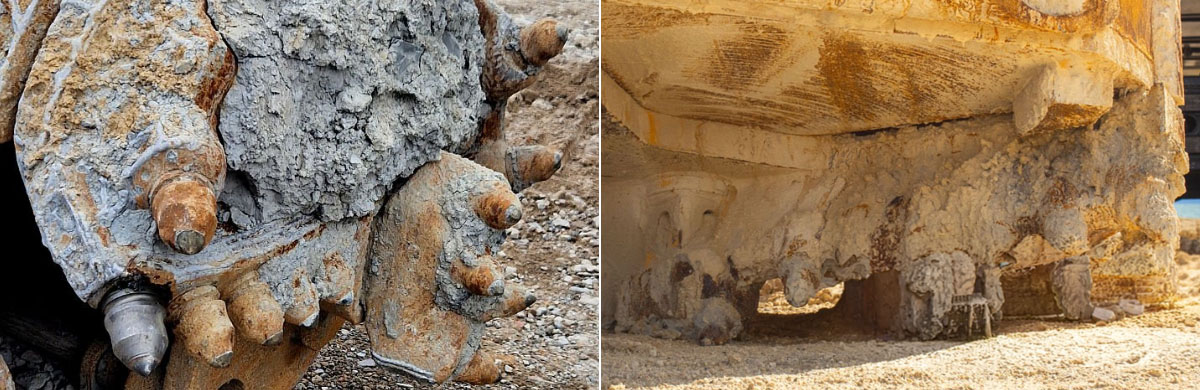
If your drilling bucket is failing in hard ground, the solution is not guesswork — it requires a systematic approach based on ground conditions, tool selection, and structural optimization.
Many failures start with a wrong assumption about the ground.
What to do:
Wrong teeth selection is the #1 reason for failure.
Result:
If your bucket is not designed for hard ground, no teeth can save it.
Result:
Different ground requires different designs — there is no universal solution.
Key insight:
Using the wrong design can reduce efficiency by over 50%.
Even the best bucket fails with poor operation,Common mistakes:
Best practices:
Fixing drilling bucket failure is not about one change — it's about combining:
Still facing drilling problems in hard ground?
Send us your soil condition — we’ll recommend the exact bucket solution.
Still not sure which drilling bucket is right for your project?
Choosing the correct bucket drill depends on multiple factors, including soil type, rock hardness, and drilling conditions. Using the wrong rotary drilling bucket can significantly reduce efficiency and increase costs.
Read our complete guide:
[ What Is a Drilling Bucket ? How to Choose the Right Rotary Drilling Bucket for Soil & Rock ]
This guide will help you quickly identify whether you need a soil bucket or a rock bucket based on dirt, sand, silt, clay, gravel, or fractured rock conditions—so you can make the right decision before your next project.
Drilling buckets usually fail due to incorrect selection, especially when standard buckets or soil teeth are used in hard rock or gravel conditions. This leads to low penetration, rapid wear, and structural stress.
For hard rock, a heavy-duty drilling bucket with reinforced structure and bullet teeth is recommended. It provides higher impact resistance, better penetration, and longer service life.
To prevent clogging, use a drilling bucket designed for clay or sticky soil, featuring a wide opening and anti-clogging structure. Regular cleaning during operation also helps maintain efficiency.
The key is to match the bucket type, teeth, and structure with the ground condition. Soft soil, clay, gravel, and rock all require different designs. Using the wrong combination can significantly reduce efficiency and increase costs.
We provide high-efficiency, precision drilling equipment and technical support to ensure the success of mineral, geological, and engineering projects under complex global conditions.
Roller bits are essential components in modern drilling operations, widely used in foundation drilling, piling, bore pile,well drilling, and oilfield exploration. Designed to withstand extreme ground
Want more product details? Send us an inquiry

Copyright by Meclead.com.