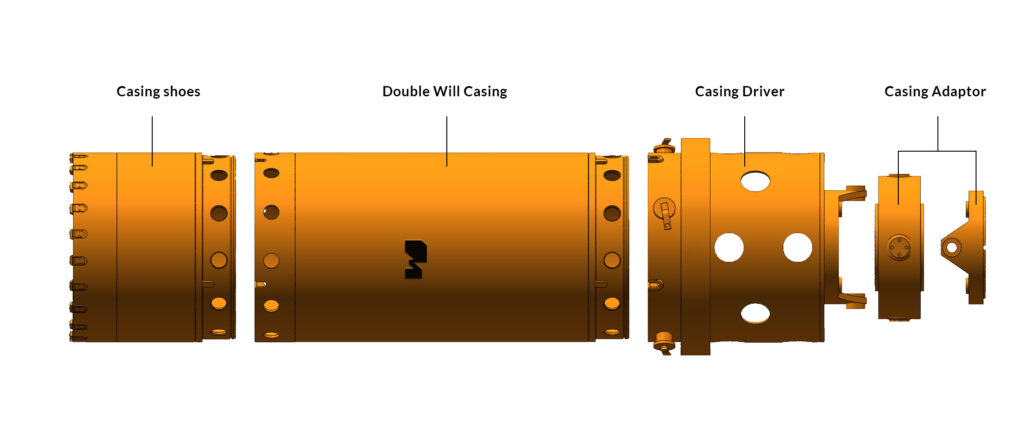
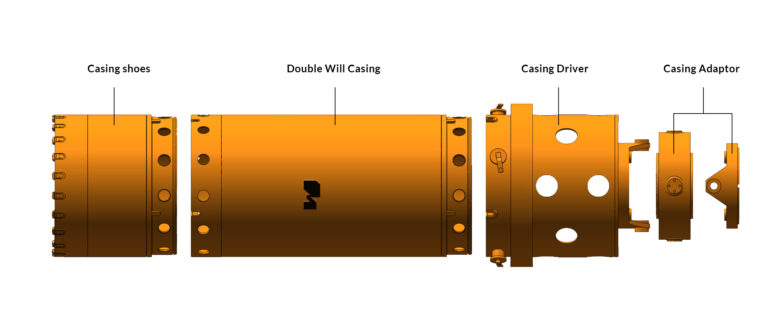
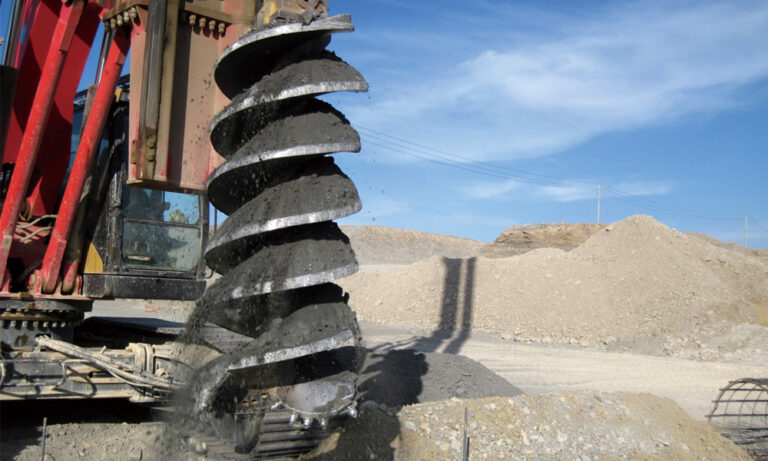
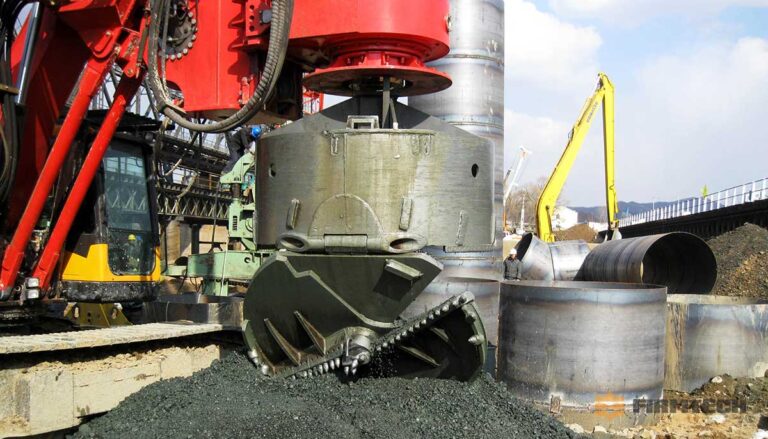
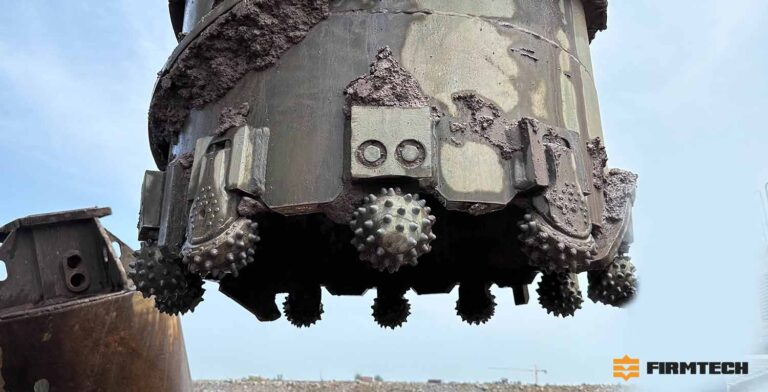
Pile casing, also known as piling casing or casing pile, is essential in deep foundation construction. It provides soil support, prevents collapse, and ensures accurate pile installation. Using the right type of casing in deep pile projects, such as double wall casing, can improve construction safety, efficiency, and foundation stability.
Pile casing is a hollow cylinder inserted into the ground during deep foundation construction. Its main purposes include:
Supporting loose or soft soil and preventing collapse
Protecting surrounding structures and groundwater
Ensuring precise alignment for piles
Different projects may require temporary, permanent, or double wall pile casing depending on soil conditions, pile depth, and construction method.
Pile casing for deep foundation projects is available in several types:
Used only during drilling and concrete pouring.
Removed after the pile is completed.
Common in rotary bored piling.
Advantage: Reusable, cost-effective for multiple uses.
Left in the ground as part of the pile structure.
Used when soil or groundwater conditions require permanent support.
Often seen in marine or aggressive soil environments.
Advantage: Provides long-term protection against corrosion and soil movement.
Made of shorter sections (segments) bolted or threaded together.
Easier to handle and transport.
Ideal for deep piles where single-length casings are impractical.
Advantage: Flexible assembly and disassembly on-site.
The choice of casing depends on pile depth, soil conditions, water table level, and whether the casing needs to stay in place. Whether you’re using temporary rotary casings or heavy-duty segmental casings, selecting the right type ensures safer, more efficient foundation construction.
Using pile casing, especially double wall casing, in deep foundation projects provides:
Soil stabilization and collapse prevention
Accurate pile alignment
Reduced construction time for deep piles
Enhanced safety for high groundwater or challenging soil conditions
| Feature | Details |
|---|---|
| Material | High-strength carbon steel (Q345B/Q355B) |
| Diameter Range | 680mm to 2000mm (Customizable) |
| Wall Thickness | 10mm - 30mm |
| Connection Type | Casing joints or welding |
| Application | Rotary drilling, bored piling, bridge foundations |
Piling casing plays a crucial role in supporting boreholes during foundation drilling. Proper installation is essential to ensure safety, stability, and structural integrity. Here are the most common methods of installing piling casing on construction sites:
This method uses a vibratory hammer to insert the casing into the ground. It’s fast and effective, especially in loose or sandy soils.
Advantages: High speed, less noise than impact hammers
Best for: Temporary casings in soft ground conditions
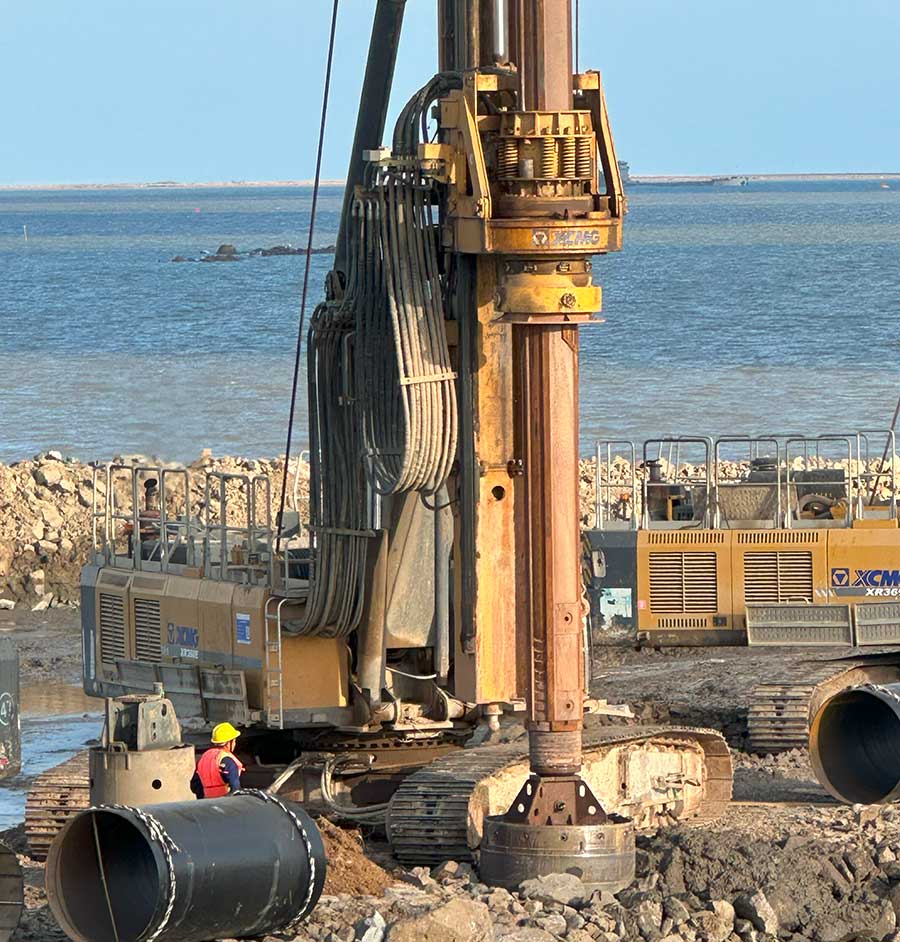
In hard or mixed soil layers, casings are installed using a casing oscillator or rotator, which rotates the casing into the ground.
Advantages: Suitable for large-diameter, deep piles
Best for: Urban areas, hard strata, or underwater construction
Steel casings can be driven into the ground using a diesel or hydraulic impact hammer. This method is powerful but causes more vibration.
Advantages: Effective in dense soils
Disadvantages: Noisy, high vibration
Casings are pushed into the ground using hydraulic jacks. This method creates minimal vibration and is ideal for noise-sensitive areas.
Advantages: Low noise and vibration
Best for: Urban or near-structure projects
Looking for high-quality piling casing for your project? Check our double-wall casing solutions designed for high torque and durability.
Our standard sections are typically 2m to 6m, but we provide custom lengths based on your drilling rig and project depth.
Yes, Meclead piling casings are compatible with major brands of rotary drilling rigs. We also provide casing joints and drive adapters for seamless integration.
Selection depends on the torque requirements and soil hardness. Single Wall Casing is lightweight and cost-effective for stable soil. Double Wall Casing offers superior torsional strength and stiffness, designed for deep foundations, hard rock layers, and high-torque rotary drilling to ensure precise verticality.
Durability is ensured through the use of high-strength alloy steel (e.g., Q355B) and precision welding. Our hardened casing joints undergo heat treatment for superior wear resistance. Additionally, anti-corrosion coatings are available to withstand acidic or saline-alkali environments, maximizing the lifespan for repeated use.
We provide high-efficiency, precision drilling equipment and technical support to ensure the success of mineral, geological, and engineering projects under complex global conditions.
Want more product details? Send us an inquiry
Copyright by Meclead.com.